🔎 This article is part of our complete dossier: Essential oil and colds – the complete guide.
Every winter, the same question comes up: how can we protect ourselves from a flu virus that puts adults and children alike to shame?
While traditional preventive measures remain indispensable, certain essential oils offer invaluable help in relieving flu symptoms and supporting the immune system. Far from being mere wellness products, they concentrate molecules with antiviral, respiratory and immunostimulant properties, studied by science and long used by natural health practitioners.
Flu, flu-like conditions and essential oils
Influenza is a viral infection which is distinguished from the common cold by the suddenness of its symptomshigh fever, intense fatigue, muscle aches, headache, dry or productive cough, sore throat. This flu-like condition can leave a person bedridden for several days, weakening even the most vulnerable.
It is precisely in these cases that certain essential oils are effective, complementing conventional medical measures. Their strength lies in their ability to act simultaneously on the virus, on infectious propagation and on respiratory comfort.
Which essential oils for the flu?
First in line isorganic ravintsara essential oil is the benchmark.
Its major active ingredient, 1,8-cineole, gives it recognized antiviraland immunostimulant properties. Used both as a preventive and supportive treatment, it helps fight the flu by boosting natural defenses.
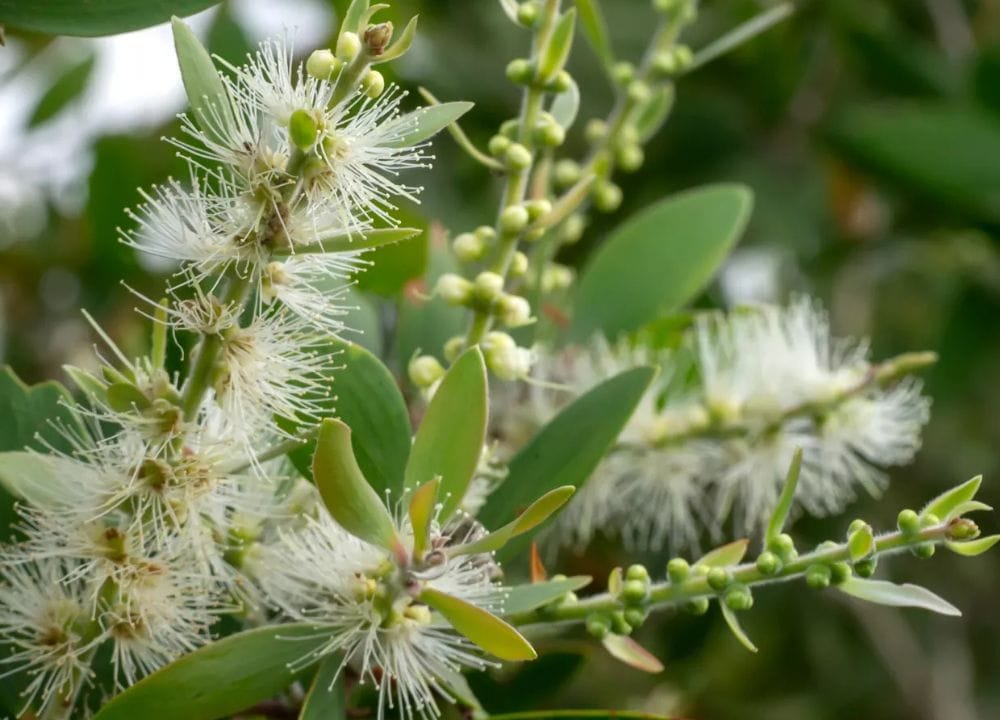
Alongsideorganic eucalyptus radiata essential oilessential oil, gentle yet expectorant, clears the respiratory tract and relieves coughs. Tea tree essential oil, derived from the tea tree (Melaleuca alternifolia), is renowned for its overall anti-infectious, antibacterial, antifungal and antiviral action. Finally, noble laurel orniaouli essential oil (Melaleuca quinquenervia) complete this natural panoply with their effects on the ENT sphere.
In the same vein, some practitioners also suggest the occasional use of thymol thyme essential oil, which is more powerful but should be handled with care, or lemon essential oil, which is fresh and invigorating, to complete respiratory synergies. Eucalyptus globulus, Scots pine or niaouli essential oil provide interesting antiviral and expectorant action, especially for persistent flu-like coughs. Used in small quantities and always diluted in a
How to use essential oils
The first piece of advice is to follow the appropriate directions for use.
Atmospheric diffusion, using a diffuser, remains ideal for prevention or to purify the air inside a room during a winter epidemic. A few drops of a blend of ravintsara, linalool thyme and lemon are all you need to create a protective atmosphere.
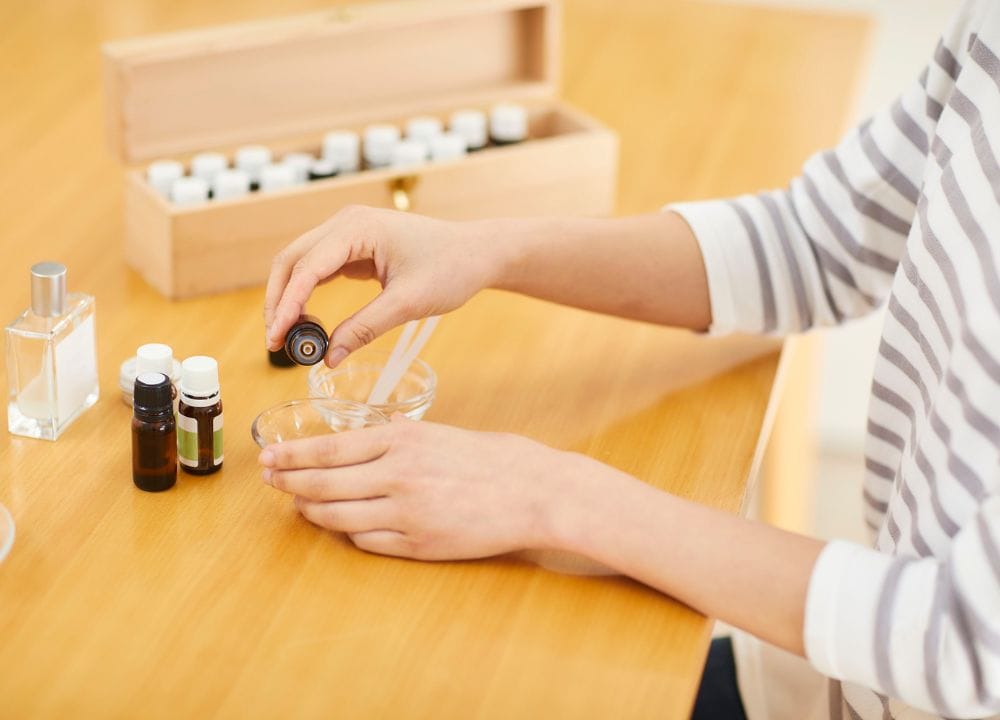
The cutaneous route allows you to apply a synergy to the chest, back or soles of the feet: for example, mix two drops of ravintsara and one tea tree essential oildiluted in a teaspoon ofcalendula vegetable oil orsweet almond.
Finally, the oral route is reserved for adults, preferably on medical advice.
Each recipe must be prepared with care: never apply pure to the skin, and always use a suitable dilution, especially for children and nursing mothers. These are simple but essential rules for enjoying the benefits without risk.
Prevent flu naturally
Prevention is better than cure!
Regular use ofravintsara essential oil in winter can support the immune system: one drop applied to the wrist and breathed in deeply in the morning, or a few minutes of gentle diffusion every day, for 10-day windows.
Combining this olfactory prevention with a healthy lifestyle (balanced diet, stress management, restful sleep) boosts effectiveness. Essential oils do not replace vaccinations or barrier measures, but they do provide an additional reflex to get through the cold season.
Daily prevention during flu season
2 drops of ravintsara essential oil on the inside of the wrists, breathe in deeply, 1 to 2 times a day.
(Immune-boosting, short use during the epidemic.)
Relieving flu symptoms
When it does set in, flu can be alleviated by targeted use.
Sore throats are soothed with tea tree or laureldiluted in a little warm water for a gargle. Dry coughs, which are often tiring, respond well toeucalyptus radiataexpectorant and soothing.
Fatigue and muscle aches can be relieved by a gentle massage of the chest and back with ravintsara and a touch of peppermint brings a feeling of freshness and reduces headaches. These local applications, in small quantities, provide both physical comfort and respiratory support.
Choosing a quality essential oil
With so many bottles to choose from, quality makes all the difference.
Choose an organic essential oil, 100% pure and naturalidentified by its Latin name and chemotype, guarantees safety and efficacy. A good product specifies the distilled part of the plant (leaf, bark, zest), the geographical origin and the distillation batch.
This is a guarantee of traceability, but also of therapeutic efficacy, as the concentration of active molecules varies greatly according to these parameters.
At Boèmia, this attention to detail is at the heart of our work: each essential oil comes from controlled, local distillations, where respect for the plant and scientific precision combine to produce an exceptional product.
Medical advice and precautions
While essential oils are an effective natural remedy, their use requires discernment. Fragile individuals, such as children, pregnant or breast-feeding women, should use appropriate doses, or opt for milder alternatives such as hydrosols. In all cases, medical advice should be sought if fever persists, if coughing worsens or in the event of severe respiratory problems. Essential oils help to ease flu symptoms and support the immune system.
This blog post provides general information and is not a substitute for personal medical advice.
Ecological impact and sensible use
One final point deserves attention: behind every bottle of essential oil lies an impressive quantity of distilled plant material. To obtain a few millilitres of ravintsara or eucalyptus, you need to harvest a large mass of leaves.
The use of these concentrates must therefore be accompanied by an ecological approach: use them for shorter periods of time, apply the right quantity, and give preference to producers like Boèmia who are committed to sustainable development. L’scots pine hydrosol orthujanol thyme hydrolatehydrosols, which are gentler and less resource-intensive, represent a relevant alternative, especially for children.
Conclusion
Visit essential oils don’t claim to cure the flu, but they do offer natural, effective help to prevent, relieve and support recovery. Well-chosen, well-dosed and used with care, they become precious winter allies. Between scientific rigor and aromatic traditions, they remind us that plants, in their strength and fragility, continue to accompany our health on a daily basis.

Editor: Camille Comet
Doctor of Pharmacy University Diploma (DU) in Aromatherapy
Fascinated by the power of plants since childhood, my expertise and passion focus on aromatherapy and the production of essential oils, with an ethical and ecological vision.