🔎 This article is part of our complete dossier: Essential oils and colds – the complete guide.
When winter arrives, many people look for a natural remedy to soothe a cold and its discomforts. Stuffy nose, cough and sore throattiredness or a feeling of cold: the symptoms are varied and often annoying. One of the oldest and most popular solutions is herbal tea (AKA infusion). Simple to prepare and rich in medicinal plants, it offers warmth, comfort and natural properties to help soothe the respiratory tract.
Understanding colds and their symptoms
The common cold is a benign but common viral infection. It is characterized by a runny nose, a sore throat, sometimes a cough and persistent fatigue. Even if it disappears naturally within a few days, you can try to alleviate symptoms with essential oils with a few simple gestures. A warm drink plays an important role: it moisturizes, soothes the mucous membrane, helps clear the airways and promotes rest.
Examples of traditional infusions
| Symptom | Suitable plants | Example of preparation |
|---|---|---|
| Irritated throat | Marshmallow, liquorice, sage | Soothing infusion |
| Stuffy nose | Thyme, eucalyptus, peppermint | Herbal tea + inhalation |
| Fatigue | Rosemary, echinacea, black elderberry | Invigorating herbal tea |
Toning blend: Thyme, Spearmint and Rosemary
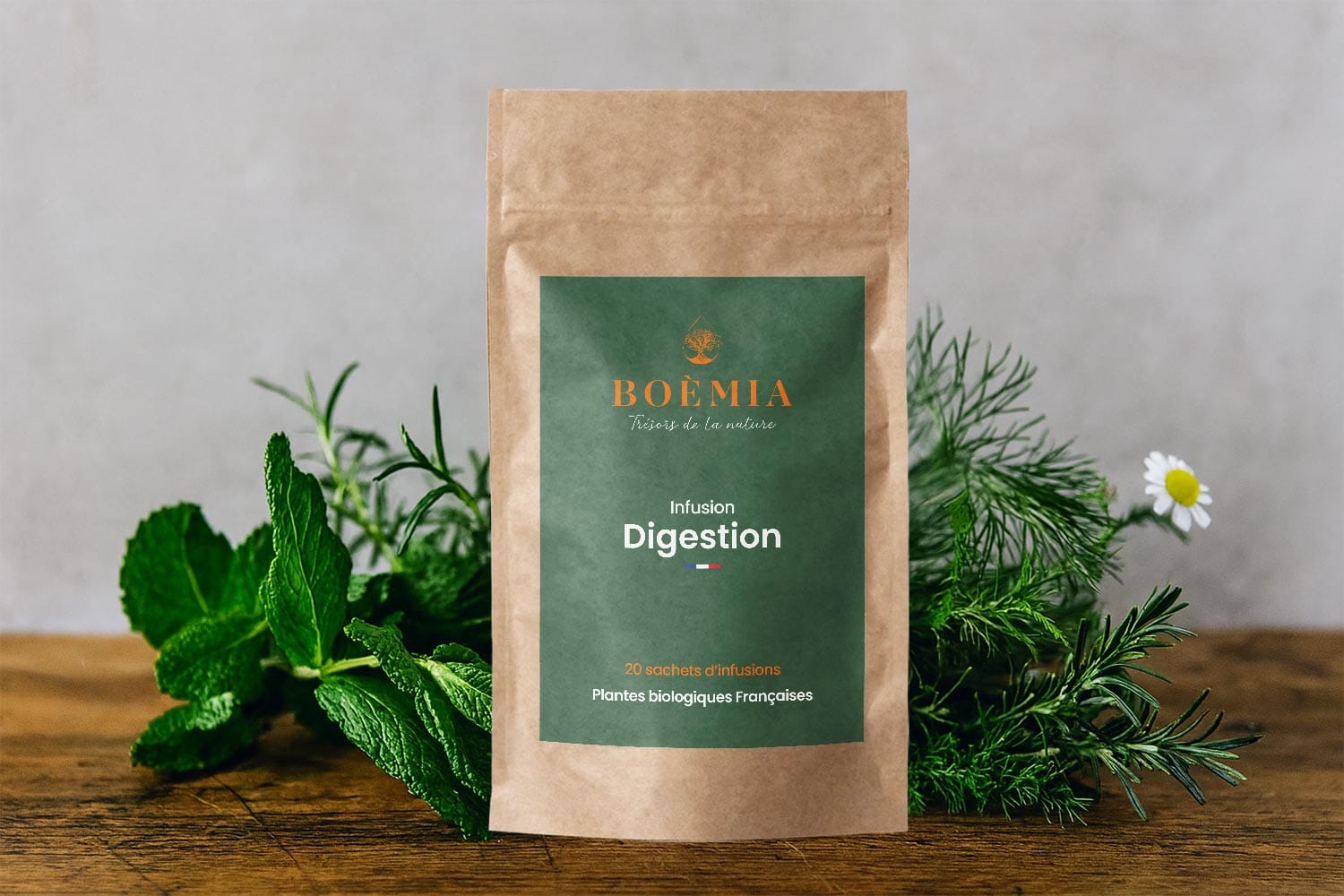
At the heart of Boèmia’s winter herbal teas is a particularly effective fixed blend: Tonus, composed of thyme, spearmint and rosemary. These three plants combine to create a synergy that is ideal for boosting the immune system and soothing the respiratory tract.
Thyme: recognized for its antiseptic and respiratory properties, it helps clear the nose, fight germs and soothe coughs.
Spearmint: milder than peppermint, it provides freshness, relieves nasal congestion and aids digestion, which is often disrupted during a cold.
Rosemary: a natural tonic, rich in antioxidants, it supports the body during periods of fatigue and cold.
This trio is a complete natural solution: it helps combat symptoms, boost defenses and restore energy.
Easy to use thanks to its ready-to-use infusette format, perfectly formulated for ideal dosage, this blend quickly becomes a winter well-being reflex. One cup of Tonus, and you enjoy a simple, effective and comforting gesture. A real asset for getting through the cold season with vitality.
Other useful plants according to symptoms
Although the Tonus blend forms a solid base, other herbs can complement the action as needed.
For sore throats and coughs
-
Marshmallow and mallow: rich in mucilage, they soothe the nasal mucosa and throat.
-
Licorice: anti-inflammatory and soothing properties.
-
Sage officinale: known for soothing sore throats and supporting the voice.
For a blocked nose
Eucalyptus globulus essential oil: powerful decongestant, often used as an inhalant. Discover our organic eucalyptus globulus essential oil
Peppermint essential oil: an immediate sensation of freshness that eases breathing. Discover our organic peppermint essential oil
Pine buds: traditionally used for ENT ailments.
To boost immunity
Elderberry: rich in vitamins and flavonoids, it helps strengthen the defense system.
Echinacea: a plant known to support the body’s resistance.
Ginger essential oil: warming, anti-inflammatory and stimulating action. Discover our organic ginger essential oil
How to prepare an anti-cold herbal tea
Preparation influences efficiency.
Infusion, decoction or maceration?
-
Infusion: pourboiling water over leaves or flowers (e.g. thyme, mint).
-
Decoction: boil the tougher plant (roots, bark) for several minutes.
-
Maceration: cold soak, often for mucilage-rich flowers such as marshmallow.
Best practices
- Use one Boèmia infusion or one tablespoon of dried herbs (or one teaspoon for powders) per cup.
- Infuse for 5-10 minutes, depending on the plant.
- Drink 2 to 4 cups a day, piping hot.
Combining honey and lemon
A classic is to add a spoonful of honey and a dash of lemon juice. Honey soothes the throat and has recognized antibacterial properties. Lemon, rich in vitamin C, helps reduce fatigue and offers a fresh taste.
Simple recipes to make at home
Because every cup of Boèmia can become a real skincare ritual, here are a few ideas you can easily prepare at home using Boèmia infusions and a blend of hydrosols.
Recipe 1: Anti-cold tonic infusion
L’Tonus infusion combines thyme, spearmint and rosemary in an ideal balance. Simply immerse a sachet in a cup of simmering water for 5 minutes, then add a spoonful of honey and a dash of lemon juice. The result is a drink that boosts energy, clears the respiratory tract and soothes coughs.
Recipe 2: Pure thyme infusion
L’thyme infusion is the traditional ally for harsh winters. Prepare a hot cup and infuse for 5 to 7 minutes, then sweeten with a spoonful of honey if your throat feels scratchy. Thyme helps soothe the respiratory tract and supports the body’s natural defenses.
Recipe 3: Comforting spearmint infusion
L’spearmint infusion brings freshness and lightness. Leave to infuse for 5 minutes, then enjoy after a meal or in case of a stuffy nose. It also aids digestion, which is often disrupted during a cold, and soothes feelings of congestion.
The sensory and ritual dimension
Drinking herbal tea for colds isn’t just a question of treatment. It’s a ritual that soothes body and mind.
-
The scent of thyme or mint has a direct effect on breathing.
-
The warmth of the cup invites you to slow down and rest.
-
Making your own herbal tea, and sipping it slowly, becomes a way of taking care of yourself during periods of nasal congestion and fatigue.
Suggested exercise: close your eyes and inhale the steam from a Tonus herbal tea: you’ll immediately feel your airways open up.
Hydrolats and essential oils: complementary alternatives
In addition to herbal infusions, there are other forms of phytotherapy:
Hydrolats of sweet thyme, rosemary or peppermint can be drunk diluted in water. Their light taste and mild medicinal properties are suitable for children and people sensitive to irritation.
Essential oils (e.g. thyme linalol, eucalyptus or ravintsara) are used in a variety of ways: by diffusion, inhalation or diluted skin application. They are more concentrated, so offer more powerful actions, notably antiviral, and require supervision by a pharmacist or professional.
Each form has its place: herbal tea moisturizes and soothes, hydrolat offers gentle daily support, andessential oil acts in a more targeted way.
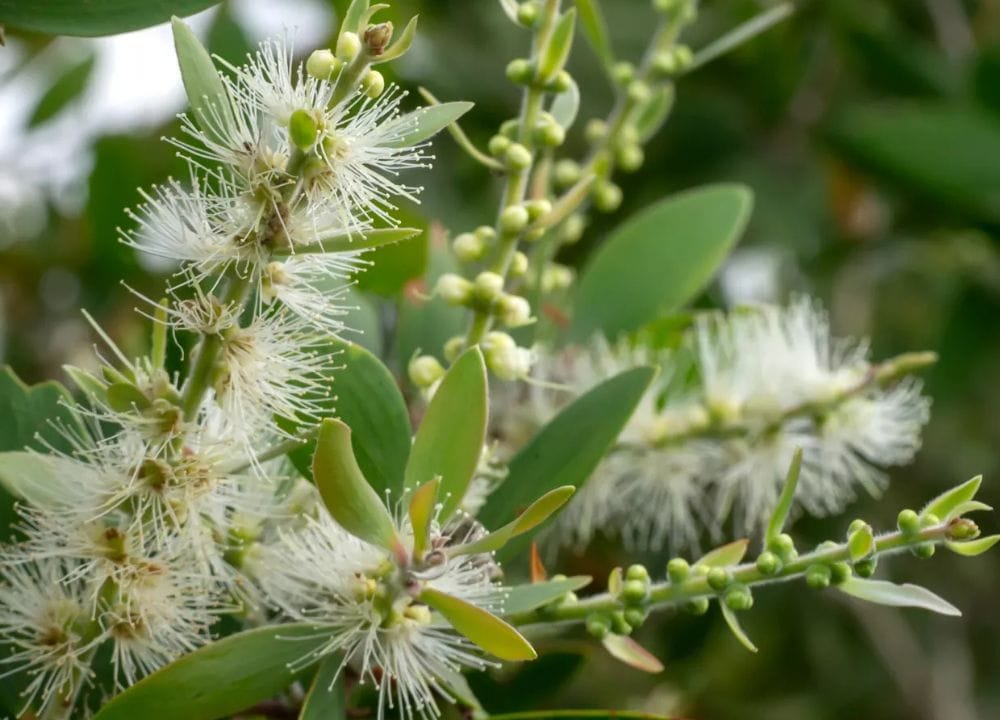
Recipe 4: Laurel and Scots pine hydrosols cure
For more targeted support, combine 1tablespoon of laurel hydrosol and 1 tablespoon of Scots pine hydrosol in a glass of water. To be drunk in the morning for 7 days, this preparation helps boost immunity, clear the ENT tract and prevent winter infections.
👉 Tip for going further: discover our articles dedicated to colds and respiratory essential oils on the Boèmia website.
Precautions and best practices
Even though anti-cold herbal tea is a natural solution, there are a few rules to follow:
-
Consult a doctor in the event of high fever, unusual headaches or persistent symptoms.
-
Certain plants should be used with caution by pregnant women, young children or people on medication.
-
Choose organic products with no additives or added sugar.
Conclusion
Herbal tea for colds is a natural remedy that’s simpleaccessible and rich in benefits. Thanks to the Tonus blend (Thyme – Spearmint – Rosemary), spearmint and sweet thyme, you have an effective base for relieving symptoms, soothing the throat and strengthening the body in winter. Combined with other herbs as needed, it becomes a genuine daily health ally.
And because each plant form has its own advantages, consider hydrolats and essential oils, which complement herbal teas, to build a global approach that’s gentle and respectful of your body.
FAQ - Herbal teas and colds
What's the best herbal tea for a cold?
Cold tea is based on medicinal plants such as thyme, peppermint, rosemary and black elder. Their anti-inflammatory and antiseptic properties help relieve sore throats, calm coughs and reduce nasal congestion. In a boiling infusion, a teaspoon of each plant is enough to release its natural active ingredients and provide an effective hot drink, ideal for soothing irritated nasal mucosa, clearing the respiratory tract and boosting the immune system.
What natural products can be used to complement an anti-cold herbal tea?
In traditional medicine, well-known products such as honey, propolis, garlic, ginger and cloves are used for their antiviral, antibacterial and immune-boosting properties. A hot broth or soup is also a good natural remedy to combat fatigue and winter infections. These simple tips can help combat the symptoms of a cold: blocked nose, runny nose, headaches, irritation of the mucous membrane and stress linked to respiratory discomfort.
How to prepare a homemade herbal tea recipe?
An easy herbal tea recipe involves making a tea with a tablespoon of thyme, a leaf of sage, a little cinnamon, a touch of chamomile and lemon juice. Leave to infuse for 7 minutes inboiling water, then add a spoonful of honey to soothe the throat. This natural solution is known for its soothing effect, antiviral virtue and decongestant action. It helps reduce inflammation of the respiratory tract and relieve the most troublesome symptoms.
Are there any other infusions or alternatives to classic herbal teas?
Yes, there are a number of options for varying the form. Mint tea, marshmallow or bramble tea, or echinacea are all effective herbs to support winter health. Hydrosols (e.g. bay laurel or eucalyptu) can also be used to reinforce a mild nasal solution. Certain essential oils (ravintsara, eucalyptus radiata) are sometimes offered as steam inhalants to complement herbal teas.
When should I consult a doctor?
A natural remedy such as anti-cold herbal tea is an excellent basis for helping to relieve cold symptoms. But if fatigue persists for more than a few days, if fever rises, if respiratory ailments worsen or if over-the-counter remedies remain ineffective, it’s essential to consult a doctor. This is particularly true for children, pregnant women and people suffering from chronic infections. Herbal teas, though effective and natural, remain a supplement and do not replace appropriate medical treatment.

Editor: Camille Comet
Doctor of Pharmacy University Diploma (DU) in Aromatherapy
Fascinated by the power of plants since childhood, my expertise and passion focus on aromatherapy and the production of essential oils, with an ethical and ecological vision.