🔎 This article is part of our complete dossier: Essential oils and colds – the complete guide.
Inhalation with essential oils is part of traditional phytotherapy and remains a natural solution for ENT conditions.
When used properly, it can help cure a cold, relieve congestion decongest a blocked nose, à calm dry or hacking coughs and improve breathing..
The principle is simple: steam carries the volatile active ingredients to the nasal and sinus mucosa, where they express their virtues. To make the most of it, we need to understand why it works, how to use it, which oils to choose and what precautions to take, depending on the person, the indication and the problem encountered.
Why use essential oils for inhalation?
Inhalation is a direct route of use, providing rapid respiratory benefits. The warmth of hot water increases diffusion of aromatic molecules, facilitating access to congested areas, liquefying secretions and reducing local inflammation.
Certain essences have antiviral, antibacterial or expectorant propertiesantibacterial or expectorant properties, helping to limit the microbe load and restore a satisfactory level of respiratory comfort. Beyond the nose and sinuses, oils such as fine lavender or Roman chamomile have a soothing effect on the nervous system, useful when stress increases discomfort. Done right, once or twice a day, acold inhalation also supports the immune system.
How to use essential oils for inhalation?
“How do I use essential oils for inhalation?” This question comes up a lot, and the answer lies in clear instructions for use.
The first step is to choose a stable, heat-resistant container. Prepare the session calmly, checking the composition of the synergy and the person’s age. A single oil or a coherent blend can be used for inhalation. Avoid contact with the eyes to prevent irritation or burns. Schedule your session one hour after a meal or coffee, for greater effectiveness and optimal comfort. If you have a particular skin type or respiratory disorder, seek professional advice.
Which essential oils for colds?
Some references are particularly well-suited to winter conditions.
Eucalyptus radiata is a classic for the airways, thanks to its high 1,8-cineole content. Sometimes mistakenly referred to as “eucalyptu” or “globulu” in quick searches, it’s actually Eucalyptus globulus or Eucalyptus radiata. Eucalyptus is a decongestant and helps clear the sinuses and nasal passages.
The ravintsaraa recognized antiviral, supports the body’s defenses.
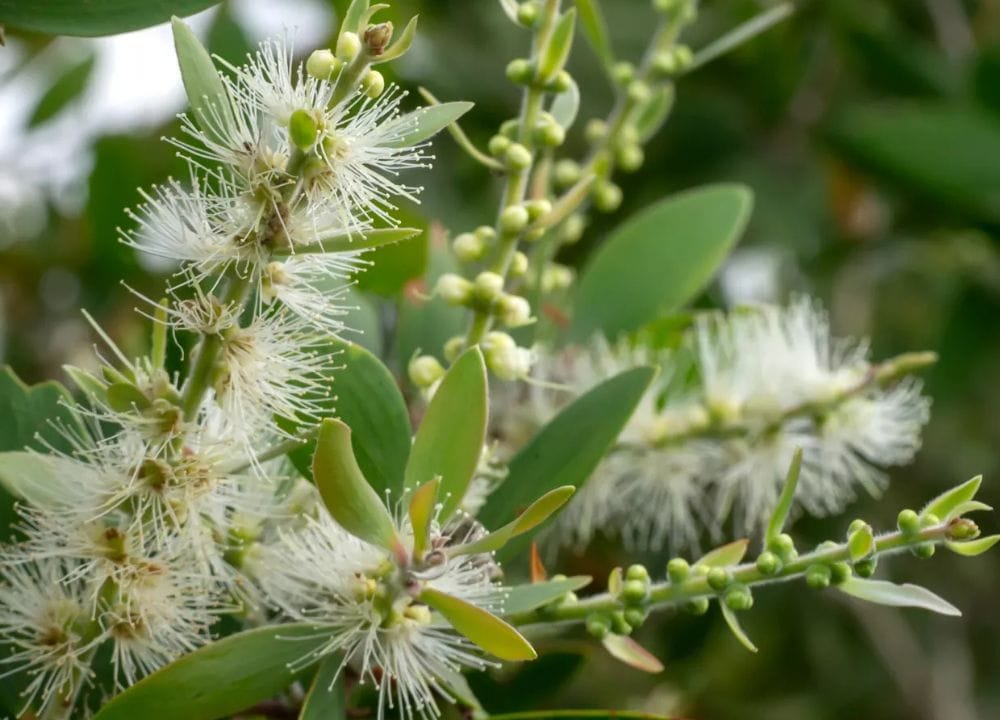
The tea tree(tea tree) has an interesting antibacterial and antiviral action when infection sets in.
The peppermintpeppermint, very powerful, brings an immediate sensation of freshness to the blocked nose and head, to be handled with care.
The niaouli(niaouli essential oil) and Scots pine are ideal for coughs and ventilation.
As for thyme, we prefer milder chemotypes for inhalation, and reserve thymol thyme for controlled uses, due to its irritant potential, to protect against possible adverse effects. We can also incorporate marjoram for its nerve-soothing and anti-microbial action.
For a homemade herbal respiratory blend made in metropolitan France, you can add :
- one drop of rosemary cineole and
- a drop of linalool thyme to the preparation.
The reason is simple: combining a decongestant and an antiviral strengthens the overall solution. Always check the dose given and whether it is appropriate for the use and the person (adult, child, pregnant or breast-feeding woman ).yes
What are the benefits of inhalation?
The respiratory benefits are due to the combination of steam and aromatic molecules. 1,8-cineole, alpha-pinene and other volatile active ingredients ease outflow, decongest and soften the mucous membrane.
Breathing becomes easier, symptoms diminish, coughs subside and the feeling of weight in the head recedes. On a general level, certain oils help modulate inflammation and support the immune system.
How to make a wet inhalation?
Warm but not boilingwater is poured into a bowl. Add one or two drops of theessential oils used, cover with a towel and breathe calmly for five to ten minutes. This simple preparation moistens the airways, transporting the active ingredients to the areas to be relieved and providing a rapid decongestant action. Plan to use once or twice a day, depending on tolerance.
For children under the age of 7,wet inhalation is not recommended; hydrolats or other methods are preferred.
What's the difference between dry and wet inhalation?
Dry inhalation consists of placing a drop on a handkerchief or in a compact inhaler stick and inhaling several times a day. It’s discreet and easy to use at work or on the move.
Wet inhalation, on the other hand, combines hot water and essences in a stable container, intensifying the decongestant effect of the steam. Both approaches are effective and complementary.
The dry version is ideal for fast abseiling, while the wet version is ideal for a deep, calm session.
What are the best tips for inhaling essential oils?
First, personalized advice: if you have a particular condition (asthma, epilepsy, etc.), ask a health professional for advice.
Next, take precautions. Choose organic quality and clear traceability, read the composition and chemotypes, limit the dose to 3 to 5 drops, protect the eyes and stop using in the event of irritation or headaches.
Certain families of oils are not recommended for inhalation because of their irritant or dermocaustic properties, e.g. cinnamon, clove and oregano, which are rich in phenols. Ketones require caution and should be avoided by pregnant and breast-feeding women, and by certain asthmatics. For children, always adapt. Check indications and follow a simple method, without excessive frequency.
For scientific information, we prefer professional sources and clear recommendations.
What complementary natural remedies are there for a blocked nose?
Inhalation with essential oils has its place, combined with regular rinsing with isotonic seawater spray, thyme or mint tea, and simple measures to help you recover.
Dry inhalation of Scots pine can provide a pleasant olfactory boost, while propolis and honey provide local support for the throat.
When fatigue is marked, take time to rest and hydrate. If an unusual problem persists, consult your doctor.
Step-by-step methods, with useful examples and details
To keep things practical, here’s how to adapt oils to colds. Eucalyptus radiata acts as a nasal decongestant, ravintsara ravintsara helps to fluidify the antiviral action, and tea tree antibacterial, strengthens the therapeutic solution to combat bacteria and viruses, peppermint is used in small doses for a fresh effect, niaouli supports secretion and ventilation, and lavender officinalis can soothe. The effect of water also has an intense capacity to moisten mucous membranes.
In practice, an evening session might involve preparingsimmering water in a bowl, adding 2 drops of rosemary cineole and 2 drops of eucalyptus radiata, then inhaling for five minutes.
In the morning, a dry reminder with an inhaler stick may suffice. If the throat is tight, another skin preparation with thujanol thyme and lemon eucalyptus (1 drop of each in a teaspoon ofvegetable oil) also helps to relax the inflammatory area.
As a reminder, certain essences very rich in phenols such as thymol (in thymol thyme) are not recommended for free inhalation, as they can cause irritation. These essences are reserved for supervised professional use, and we prefer to use suitable chemotypes.
Safety, special populations and useful alternatives
For pregnant or breast-feeding women, children and asthma sufferers, adapt or choose other routes. Respiratory hydrolats offer a gentler, natural option. For emergency cutaneous application, do not put pureessential oil under the nose; dilute it in a carrier vegetable oil and apply from a distance. The roman chamomilemyrtle or fine lavender are often better tolerated for gentle olfaction. When sinusitis sets in or the head becomes heavy, alternate short inhalations and nasal hygiene with seawater.
Traditional medicine sometimes includes recipes using cloves or oregano. These are highly potent, warming oils that can cause burns. They are not recommended for inhalation. If any content claims otherwise, seek professional advice and check the reference.
The sensory experience and olfactory precision
Inhalation is not just a technical gesture. It’s a ritual that mobilizes olfaction, a rapid vector of action on the nervous system. Take ten minutes, sit back and breathe in a synergy of ravintsara and eucalyptus, or a slow inhalation on a handkerchief impregnated with marjoram, to help relax the breath-tension axis and improve perception of breathing.
The composition of the synergy includes: a touch of alpha-pinene via Scots pinea note of cineole viaeucalyptus radiata, a soothing base via lavender. The result is an olfactory signature tailored to the individual and his or her current indication.
On line, we sometimes find labelling mix-ups, with products labelled “eucalyptu” for eucalyptus or “globulu” for globulus. Always check the label and chemotype.
Conclusion
Used methodically and carefully,inhalation with essential oils helps to clear nasal obstructions, decongest sinuses, relieve cold symptoms and support the immune system . immune system while offering real olfactory comfort.
Short sessions, the right drop, the right essences and the highest quality, professional advice when necessary. In addition, hydration, sleep and nasal hygiene with seawater strengthen the skin.
Pierre-Jean Michel

Editor: Camille Comet
Doctor of Pharmacy University Diploma (DU) in Aromatherapy
Fascinated by the power of plants since childhood, my expertise and passion focus on aromatherapy and the production of essential oils, with an ethical and ecological vision.