An essential family aromatherapy product, sweet orangesweet orange essential oil is often used for its relaxing, digestive and cleansing properties. Applied to the plexus or diffused in the bedroom, it promotes relaxation, relieves nervousness and prepares for a more peaceful sleep. But behind its sweet, fruity fragrance, this oil hides a powerful action and some essential precautions.
Extracted by cold expression from the bark of the Citrus sinensis tree, it contains limonene, myrcene and other aromatic compounds that act on the nervous system, digestion and stress states. However, improperly dosed or used, it can become photosensitizing, irritating or even contraindicated under certain conditions.
This guide will help you understand everything you need to know: how to apply it, how to dilute it in a plant base, the maximum recommended dose for diffusion, how to avoid using it orally without professional advice, how to combine it with other oils, how to limit exposure to the sun… Every drop counts. Discover how to benefit from this certified organic essential oil, pure and effective, while respecting your skin, your health and your needs.
1. Origin, composition and rigorous identification
Where does sweet orange come from?
L’sweet orange essential oil comes from the fruit pericarp (zest) of Citrus sinensis. This tree belongs to the sweet orange family, producing a fruit rich in essence with a round, sweet fragrance. Unlike bitter orange, this variety delivers a relaxing, digestive and sedative oil, often used as a vapour to promote relaxation or perfume the air in a room. It’s a natural product much appreciated in aromatherapy for its versatility.
Extraction method and chemical composition
Unlike other plants, sweet orange is not distilled: the essence is obtained by cold expression, a heat-free mechanical method that preserves the essential oil extracted contains a high concentration of dlimonene (over 90% chemical substance), combined with other monoterpenes. This aromatic profile gives it antiseptic, digestive and calming properties. This gentle extraction method, which respects the plant, produces a high-quality essence free of solvents and alterations.
How to recognize a quality essential oil?
To guarantee maximum effectiveness and limit side effects, we recommend choosing a certified essential oil: organic, 100% pure, chemotype specified and chromatographic analysis available (GC-MS). The presence of this information is a guarantee of seriousness. The product should also be stored away from light, in an amber glass bottle. A sweet orange essential oil has a fresh aroma and smell, a light color and a fluid viscosity. These simple criteria enable you to make an informed choice, for a safe and effective skin application or diffuser blend. We’ve written an article on high quality essential oils.
2. Therapeutic properties: what does science have to say?
Calming, anti-stress effect
Rich in limonene, like grapefruit and other citrus fruitssweet orange essential oil is recognized for its sedative and rebalancing action on the nervous system. Its use in diffusion or olfaction promotes relaxation, reduces mental agitation and facilitates its effectiveness. Its anti-stress fragrance is particularly beneficial in situations of acute stress, such as pre-operative anxiety. There are also testimonials to its sleep-inducing virtues, and it is known to create an atmosphere conducive to a good night’s sleep. It can be combined withlavender essential oil or petit grain bigarade for an enhanced calming effect.
Digestive and antispasmodic properties
Used occasionally, it aids digestion, helps reduce cramping and limits the formation of intestinal gas. It is a well-tolerated natural product, often used for its mild antispasmodic effects. One drop diluted in a vegetable oil or a neutral carrier may be enough to relieve temporary discomfort.
Purifying properties
Thanks to its antiseptic propertiessweet orange essential oil cleanses the air, especially in combination with lemon or ravintsara. It helps combat winter pathogens, while giving off a pleasant scent. It is therefore recommended in 2.4 Antifungal and insect repellent activities
Some sweet orange compounds, notably monoterpenes, have moderate antifungal activity.
In homemade preparations, combined with oils such as lemongrassand tea tree or lemonIt can also help combat certain insects. A natural, gentle but effective solution, provided you use the right concentrations.
3. Practical uses: routes of administration, dosage and precautions
Atmospheric diffusion
L’sweet orange essential oilcertified organically-grown and extracted by distillation from the fruit’s pericarp (zest), is ideal for purifying the air while creating a warm atmosphere. It is recommended for short diffusion (5 to 10 minutes) in a well-ventilated room, using a suitable diffuser (ultrasonic or nebulizer). This use promotes relaxation, reduces nervous tension and helps you unwind at bedtime. It can be combined withlavender essential oil or petit grain bigarade to reinforce its sedative effect.
blend for your diffuserthis essence helps fight against sleep disorders and busy environments. Use for short periods, no more than 3 to 4 times a day, to avoid the impact of too high a concentration in the ambient air.
Direct olfaction
A few drops ofsweet orange essential oil on a handkerchief, an aromatic pebble or an inhalation stick will provide rapid relief from stress or temporary anxiety. This olfactory preparation can be used in a variety of contexts: car journeys, work, moments of panic… In combination withlavender essential oil or petit grain bigarade.
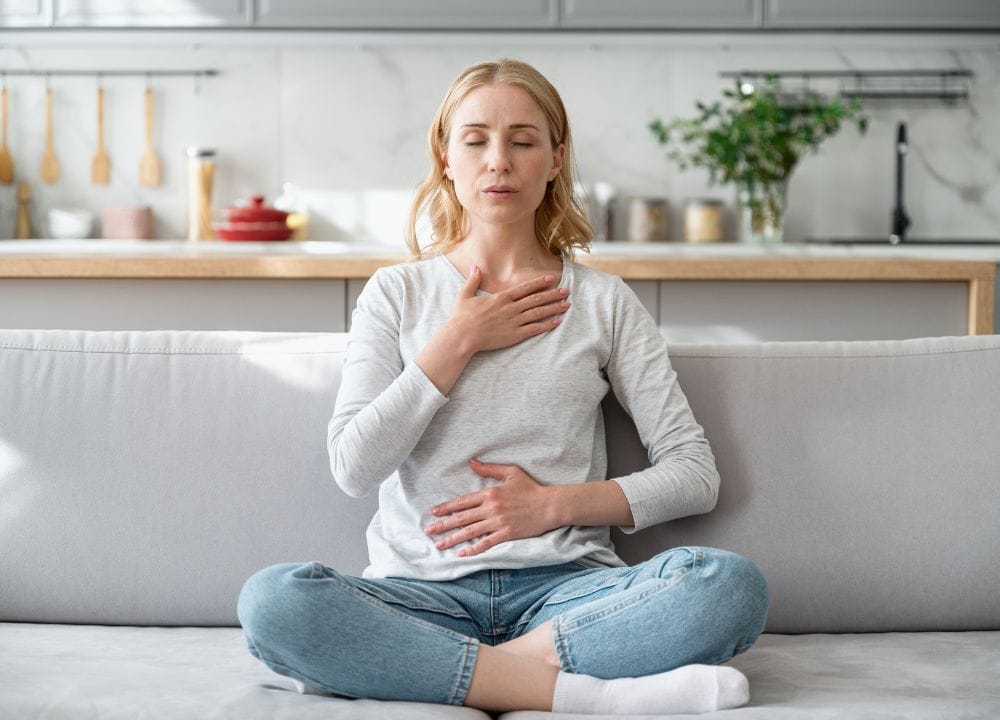
Take a minute to breathe slowly, with eyes closed, to encourage deep emotional action. This direct application is particularly useful for people who are hypersensitive to noise or social stress.
Cutaneous (cosmetics, massage)
Skin application is highly appreciated for its sensory and physiological effects. For cosmetic use, always dilute the essential oil (maximum 1%) in a vegetable oil such as sesame or jojoba. This preparation can be applied to the thorax, solar plexus or legs in case of tension. Thanks to its limonene-dominated chemical composition, it promotes skin radiance while providing a soothing effect.
A drop applied to the hollow of the wrist and then inhaled, or placed on the solar plexus, will combine the molecular effects with the olfactory virtues of its fragrance. The number of applications over a period of one day can be 3 per day.
Warning: this oil is photosensitizing. Do not expose applied areas to the sun within 12 hours of treatment, as this may cause side effects (brown spots, redness, irritation). For this reason, we recommend applying this product in the evening, away from direct light. We invite you to perform an elbow test before use.
Oral (supervised use)
L’sweet orange essential oil can be used occasionally as a dietary supplement, in cases of functional digestive disorders (bloating, slow digestion). The maximum recommended dose is 1 drop, placed on a spoonful of honey, a vegetable oil or a sweet orange oil. vegetable oil or a neutral tablet. It is not recommended for prolonged self-medication. It contains a high concentration of limonene: although of natural origin, this molecule can be allergenic. The advice of a doctor or pharmacist is therefore essential before starting any oral treatment, especially for children and pregnant or breast-feeding women.
4. DIY & recipes: everyday benefits
Light legs express gel
- 1 hazelnut aloe vera gel
- 1 drop ofsweet orange EOe + 1 drop of peppermint EO
Massage into legs for a fresh, invigorating sensation.
Purifying home spray
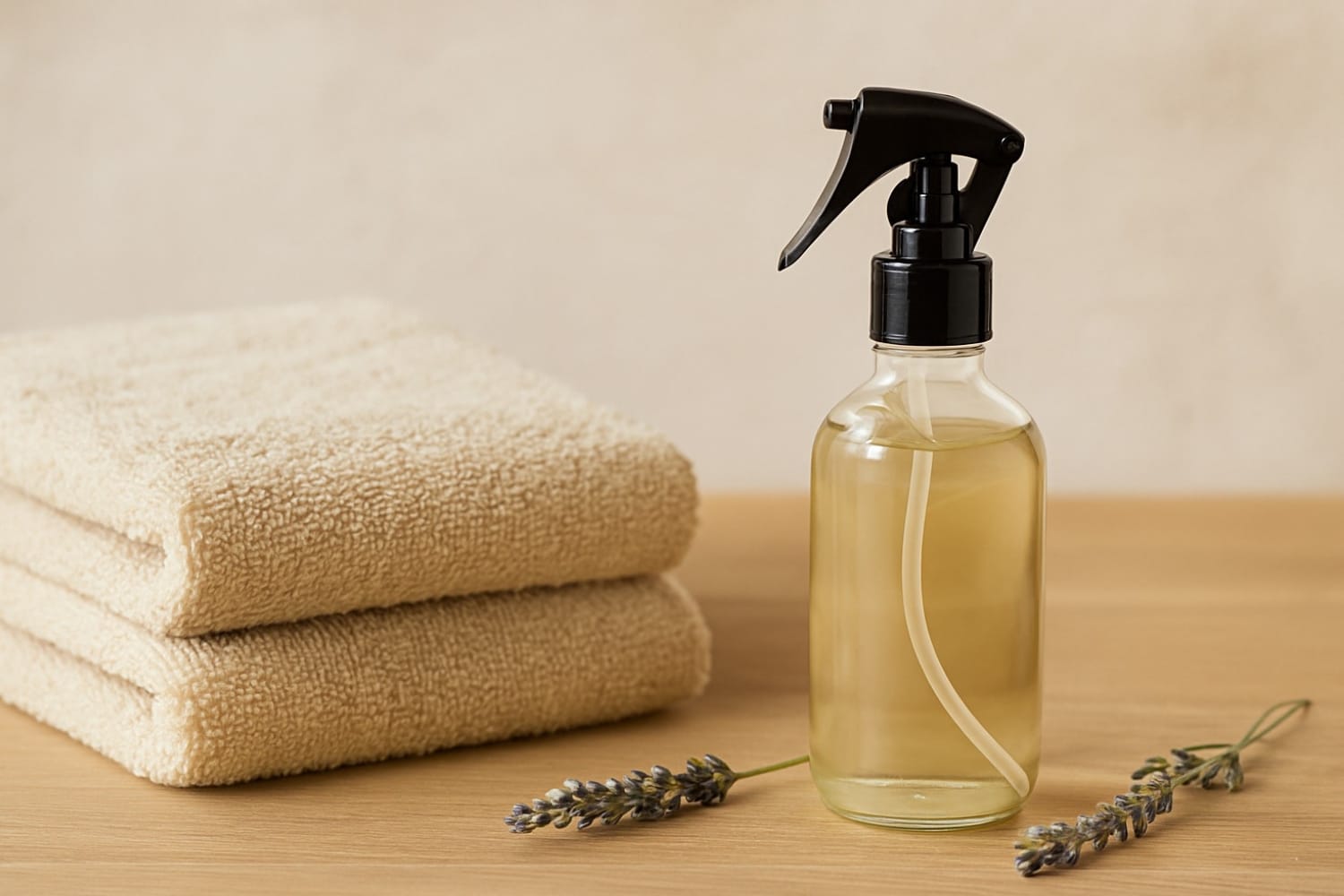
- In a spray bottlepour 30ml of 60% alcohol (such as vodka or pharmaceutical alcohol, as the oils do not dissolve in water), add 10 drops ofsweet orange essential oil5 drops of ravintsara and 5 drops of lemon.
- Shake before each use, then spray into the air to naturally sanitize and perfume your home.
Gentle skin scrub
- 1 tbsp.vegetable oil vegetable oil (sesame, for example)
- 2 tbsp. sugar + 5 drops ofsweet orange oil
Gently massage under the shower to exfoliate and nourish. This formula is suitable for the body, but do not apply to the face.
5. Contraindications, side effects and precautions
Phototoxicity and sensitization
It is photosensitizing. This means that exposure to the sun can cause skin blemishes or irritation. Use preferably in the evening, or diluted. Test before applying to skin.
An allergic reaction is also possible, but fortunately rare. A test of the elbow crease will help you avoid a severe reaction and this discomfort if you are sensitive to it.
Oral precautions
Do not use for prolonged periods without medical advice. Not suitable for children, pregnant or breast-feeding women.
Storage and interactions
Store away from heat and light. Oxidation = possible irritation. Store in an opaque bottle. Keep out of reach of children.
6. A valuable essential oil in many fields
Natural fragrances
In addition to its therapeutic applicationssweet orange essential oil also has a place in natural perfumery. Its luminous fragrance, both fruity and sparkling, is a popular top note for products with a sweet, sunny, familiar feel. In combination with essentials such as
Aromatic cooking
Used with care, this citrus essence can also become an original ingredient in aromatic cuisine. One drop is all it takes to make a sophisticated dessert or a delicate cocktail: chocolate-orange truffles, fruity panna cotta or fragrant fruit salad… The key is in the dosage, always low, and in the quality of the oil: only organic, pure, cold-expressed from the zest of Citrus aurantium var. sinensis.
Sensory rituals and olfactory memory
The scent of sweet orange immediately activates a positive emotional response: memories of childhood, holidays, suspended moments. It can enrich an evening sensory ritual (before bedtime), or a relaxing session in an aromatic bath. In olfaction, alone or combined with oils such asylang-ylang or he petit grain bigaradeit promotes deep relaxation, calmer breathing and reconnection with oneself. This blend for your diffuser becomes a tool for well-being, combining sensory pleasure with a gentle therapeutic effect.
7. How to choose your sweet orange essential oil
Not all sweet orange essential oils are created equal. To guarantee their efficacy, skin tolerance and therapeutic impact, it is essential to verify certain quality criteria:
– Natural and transparent origin: cultivation of Citrus sinensis, variety specified (e.g. aurantium var. sinensis), fruit pericarp from fresh, ripe plants.
– Extraction by cold expression (not distillation): this is the recommended method for extracting the main active ingredients.
– Organic label and “certified” mention: to ensure the absence of chemical residues or solvents.
– GC-MS chromatographic analysis available: to identify chemical composition and rule out side effects due to abnormal concentration.
– Packaging: stained bottle, tightly closed, store away from light and heat.
This information must be available on the manufacturer’s or retailer’s website. That’s why we strongly recommend choosing a reliable, committed and transparent brand.
8. Boèmia: commitment to quality and customer experience
Boèmia selects an essential oil from fresh oranges, carefully cultivated on organic farms, and cold pressed using an artisanal method that respects the active ingredients. Each batch is analyzed (GC – MS): traceability and transparency are at the heart of our ethics. For cutaneous, respiratory or emotional use, our sweet orange guarantees a luminous, soothing effect, without compromise. If you’re looking for a natural, effective and respectful solution, Boèmia is your reference.
8. Boèmia: commitment to quality and customer experience
L’sweet orange essential oil is a brilliant product: soothing, digestive, purifying and sensorial. Knowing how to use it consciously (in the right doses, at the right time, with the right quality) allows you to extract all its natural benefits without risk. It fits perfectly into a simple, gentle and responsible aromatherapy routine. Boèmia offers you a demanding version of this essence, the result of know-how aligned with your quest for quality.
📢 Last word: This article is for information purposes only. In case of pathology, prolonged use or doubt, consult a healthcare professional or pharmacist.