Poor circulation is a common health problem, especially in women. Feelings of heaviness, swelling, cramps, tingling or spider veins: these signs often indicate venous insufficiency or lymphatic return disorders.
Fortunately, there are a number of aromatic plants that can help. This guide offers a complete, rigorous and natural approach, based on the specific properties of several essential oils and hydrosols. This article focuses in particular on synergies suitable for cutaneous application, as well as practical advice on how to make these gestures part of your daily routine.
Understanding the causes: blood circulation, venous return and lymphatic drainage
Before looking for a natural solution, it’s important to identify the problem. Venous circulation returns blood to the heart. When the venous walls lose their tone, or the vessels are badly damaged (prolonged standing, heat, sedentary lifestyle…), blood stagnates in the lower limbs. As a result, the sensation of heavy legs sets in, sometimes accompanied by pain, oedema and even the development of varicose veins.
Venous stagnation is often compounded by poor lymphatic drainage. Lymph, responsible for eliminating toxins and excess fluids, circulates slowly. If this network becomes clogged, tissues become even more congested, aggravating the sensation of physical discomfort.
Properly applied, aromatherapy is a technique that stimulates these two networks (blood and lymphatic), providing immediate relief. The aim is not to “cure” a pathology, but toimprove blood and lymph circulation, alleviate discomfort and strengthen vein walls in a gentle, targeted way.
Circulatory essential oils: how to choose the right ones?
Numerous plant essences contain active molecules capable of toning the veins, acting on lymphatic return, or the sensation of heaviness. Some are deep-acting, while others offer an immediate cooling effect. Here are the most interesting for specific aromatic use.
Peppermint essential oil (Mentha × piperita)
The peppermint is one of the most effective essences for an express icicle effect. Its high menthol content stimulates cold receptors, causing local vasoconstriction and giving an almost instant impression of lightness. It is particularly appreciated at the end of the day or in hot weather.
Example of use: diluted in sesame vegetable oil (1 drop for 1 tablespoon), gently massage into the legs, always working upwards.
Provence cypress essential oil (Cupressus sempervirens)
Evergreen cypress is renowned for its venous tonic and decongestant properties. It stimulates blood circulation and strengthens vein walls. When massaged, it promotes better venous return and relieves heavy legs. It can also be combined with the oral route via hydrolat, for a thorough action.
Caution: As a precautionary measure, it is not recommended for people with a history of hormone-dependent cancer.
Rosemary cineole essential oil (Rosmarinus officinalis ct. 1,8-cineole)
This variety of rosemary has well-documented circulatory effects, notably through activation of cutaneous microcirculation. Rosemaryrosemary cineole essential oil for this purpose in hair loss formulas. It is also a general tonic, making it a good support in cases of vascular fatigue linked to a prolonged sedentary lifestyle.
Italian Helichrysum (Helichrysum italicum) essential oil
Sometimes called “immortalimmortelle“This essential oil is precious for its circulatory and anti-inflammatory effects. It stimulates microcirculation and promotes the resorption of small hematomas or edemas, particularly in people prone to spider veins or vascular shock. Thanks to its active compounds (ketones and esters), it helps soothe sensitive areas while reinforcing local tone. Reserve for localized applications, in very small quantities and always diluted in a mild vegetable oil.
Lemon (Citrus limon) essential oil
L’lemon essential oil tones blood vessels and can help prevent venous disorders. Its slightly fluidifying action makes it invaluable in cases of varicose veins or edema. It should always be used diluted, in very small quantities and only in the evening, due to its photosensitizing properties.
Practical formulas: massages and simple gestures for everyday life
Express gel to relieve heavy legs
In a hazelnut of aloe vera gel, mix :
1 drop ofpeppermint EO
1 drop of cypress EO
Apply this toning, draining blend in a circular massage over the legs, moving gently upwards towards the knees. The effect is rapid, fresh and comforting.
Tip: keep the gel refrigerated to enhance the freshness effect.
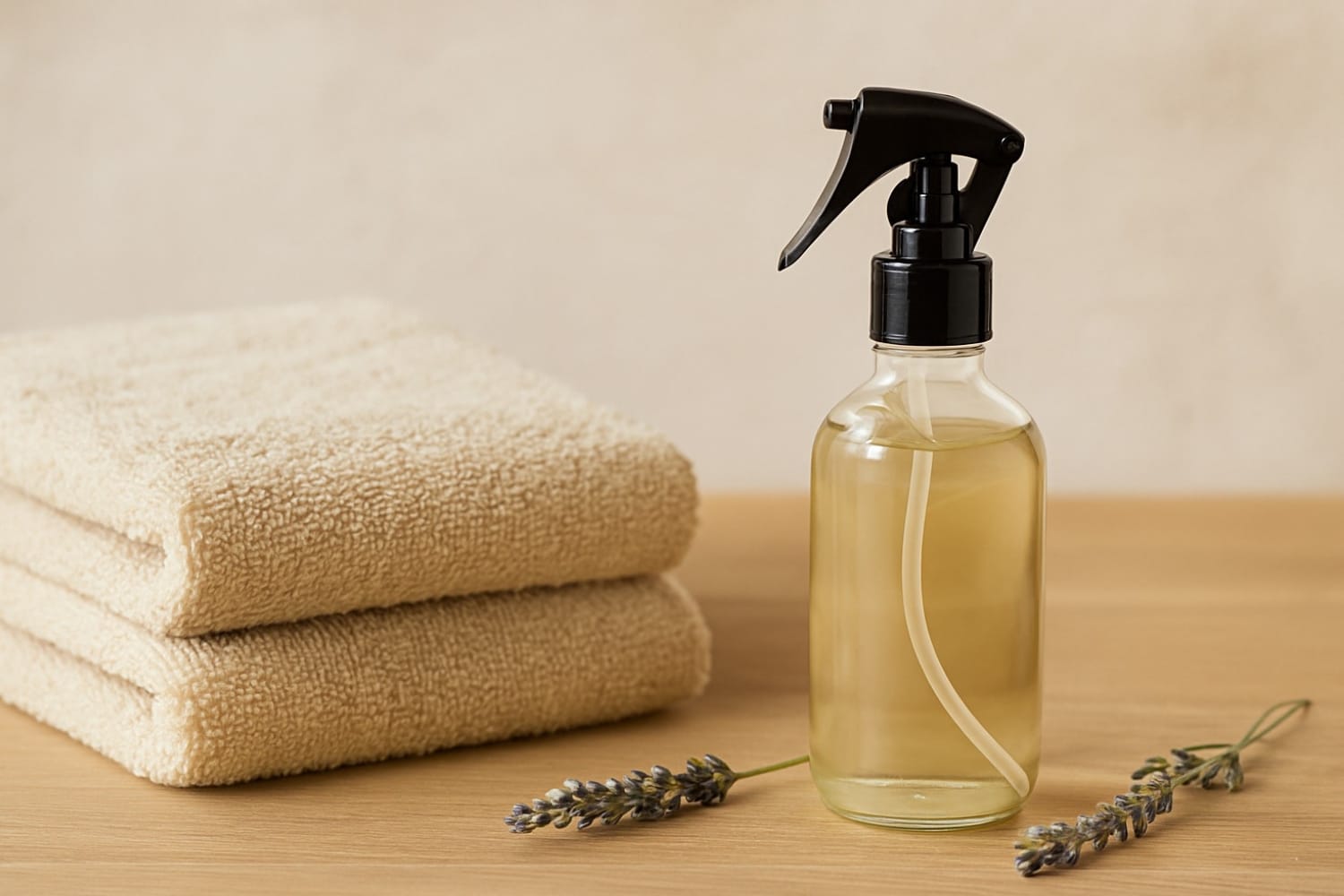
Homemade skincare oil: the complete recipe
Prepare a fluid oil based on :
In 30 ml of Sesame vegetable oildilute :
10 drops of Provencecypress
10 drops of rosemary cineole
5 drops of he lemon (do not expose to the sun within 12 hours of application)
5 drops of he peppermint
These natural remedies for heavy legs should be applied once a day, in a course of treatment lasting no more than 2 to 3 weeks, depending on your needs.
What about hydrolats? A gentle alternative for more regular use
Hydrolats are aromatic liquids obtained from the distillation of plants. Their active molecule content is low, but sufficient to support circulation.
Cypress hydrolate
Taken as a course of treatment (1 tablespoon in a bottle of water to be drunk during the day), cypresscypress hydrosol tones the veins and supports lymphatic circulation. It can also be sprayed on the legs for a gentle cooling effect.
Peppermint hydrolate
Very refreshingpeppermint hydrosol offers a ready-to-use solution for people unable to use essential oils. A spray on the legs or ankles after a day on your feet will restore a feeling of lightness and comfort, with no side effects.
Aromatherapy to support a circulation-friendly lifestyle
The effectiveness of an aromatic care product also depends on the quality of its integration into everyday life. Here are a few complementary gestures to combine with your applications:
Regular physical activity: walking, cycling, swimming… Movement stimulates venous return.
Upward cool showers: a jet of cold water from the ankle to the thigh energizes the tissues.
Leg elevation: when lying down, elevate your feet with a cushion or rolled plaid.
Daily self-massage: even without essential oils, the simple act of massaging stimulates microcirculation.
The right diet: choose red fruit, rich in antioxidants, and veinotonic plants such as red vine.
Why product quality makes all the difference
A organic essential oilproperly distilled from fresh plants, contains a more interesting chemical profile. This is particularly true for oils that are sensitive to time or heat (peppermint, lemon, rosemary…).
Quality products are also better tolerated by sensitive skin, limit the risk of irritation and guarantee long-lasting benefits. That’s why we recommend choosing brands committed to demanding, transparent and health-friendly aromatherapy.
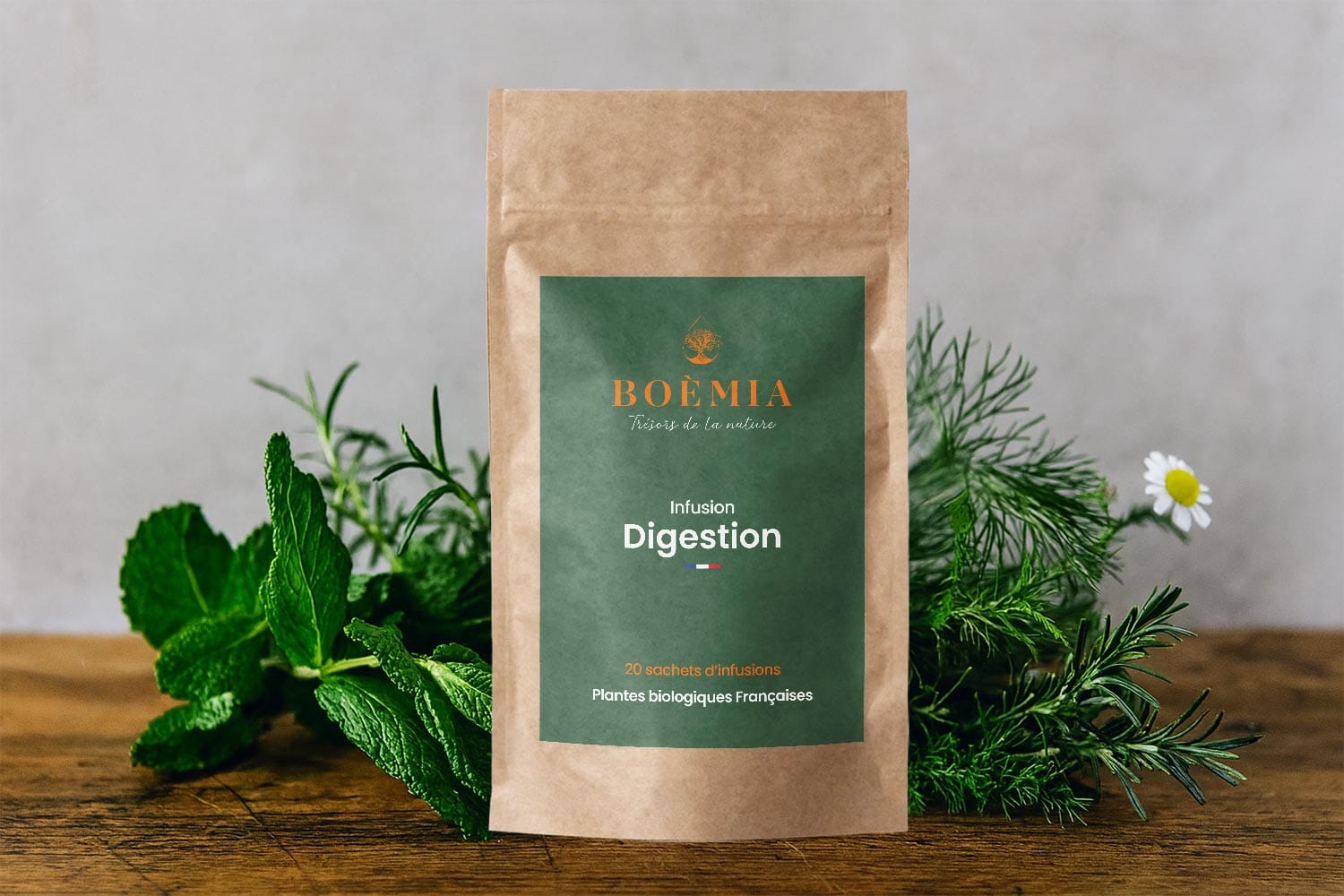
This is precisely the approach advocated by Boèmia: each essential oil is derived from carefully selected plants, grown without chemical inputs, and distilled slowly to preserve the integrity of the aromatic active ingredients. This commitment extends to the choice of packaging, the analyses carried out on each batch, and the transparency of the information provided to the public. Whether you’re looking for a product to improve circulation, relieve heavy legs or simply take care of your body naturally, Boèmia essential oils and hydrolats offer an effective, gentle and ethical solution.
A responsible, targeted approach
When faced with a health problem like venous insufficiency, essential oils are not a miracle solution. But they can help effectively, provided they are well-chosen, well-dosed and integrated into a global approach to care. Their occasional use, as a complement to a healthy lifestyle, diet and exercise, is a precious asset in the prevention of discomforts linked to poor blood circulation.
The information presented in this article is for information purposes only and is not intended to replace medical advice. In the event of proven circulatory pathology, ongoing treatment or doubt about the use of essential oils, it is essential to consult a health professional. Aromatherapy can provide natural support, but its use must always take individual circumstances into account.

Editor: Camille Comet
Doctor of Pharmacy University Diploma (DU) in Aromatherapy
Fascinated by the power of plants since childhood, my expertise and passion focus on aromatherapy and the production of essential oils, with an ethical and ecological vision.