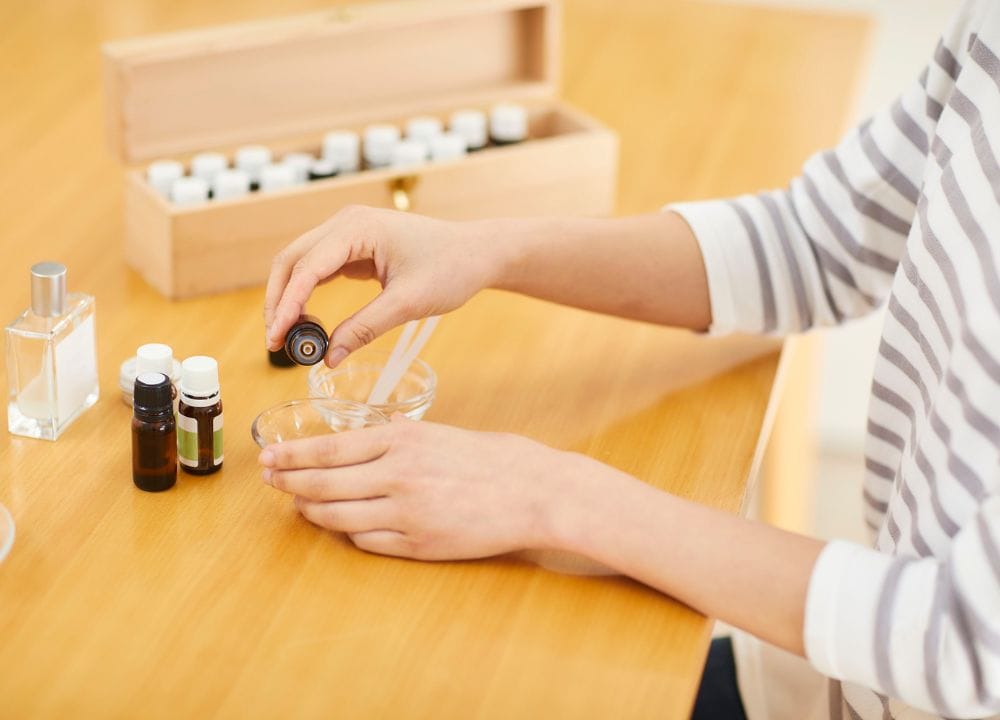
A runny nose, a heavy head, a scratchy throat … Can you feel a cold coming on? Before a viral infection sets in, certain essential oils can help you to effectively combat viruses and prevent complications. Just a few drops ofeucalyptus radiata, ravintsara or tea tree, inhaled warm or diffused into the air, can clear the respiratory tract and boost the immune system.
They’re easy to use: just place a drop on a handkerchief and breathe in for a few minutes, or massage the chest and back with a vegetable oil enriched with a well-dosed synergy. These quick, natural gestures offer a useful complementary treatment for nasopharyngitis, incipient bronchitis or coughs associated with cold winter weather.
In this practical guide, you will find the best essential oilsIn this practical guide, you’ll find the best essential oils, application methods adapted to each individual, as well as professional advice on how to use these products safely and effectively, taking into account special situations (children, pregnant women, chronic pathologies).
Understanding the common cold: scientific basis and practical issues
The common cold, or acute rhinopharyngitis, is a very common viral infection. It can be caused by over 200 different viruses, and symptoms appear rapidly: blocked or runny nose or runny nose, dry cough then a hacking cough, fatigue, sometimes a headache and a low-grade fever. The disease resolves in one to two weeks, depending on the individual, without the need for specific medication.
Properly applied, aromatherapy can help improve respiratory comfort, while respecting the indications and dosage. It is also useful for prevention.
Essential oils effective against colds
Must-haves and their properties
- Eucalyptus radiata: mucolytic, expectorant and decongestant, it helps to clear the upper airways and has a very distinctive fresh action in the bottle. Discover our organic eucalyptus radiata essential oil
- Ravintsara (Cinnamomum camphora CT cineole) : antiviral and immunostimulant; useful from the very first symptoms to boost defenses and stay in shape. Discover our organic ravintsara essential oil
- Tea tree(Melaleuca alternifolia): antibacterial and purifying; interesting if a bacterial terrain is superimposed. Discover our organic tea tree essential oil
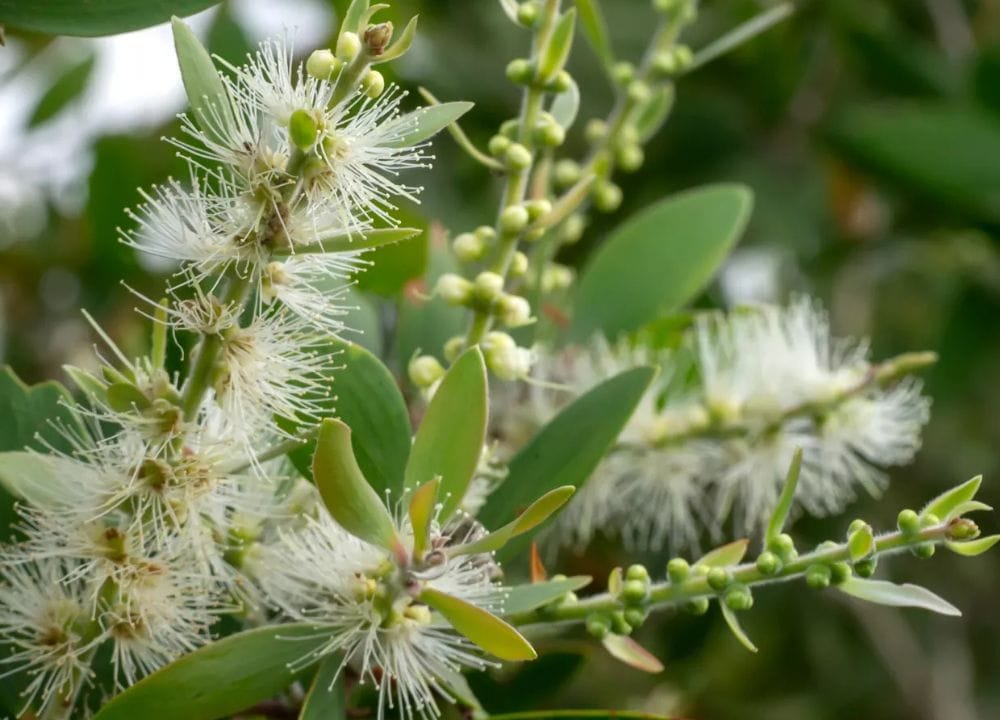
- Niaouli essential oil (Melaleuca quinquenervia): helps expel secretions, useful when wet coughs set in. Discover our organic niaouli essential oil
- Peppermint essential oil: immediate freshness, support for associated headaches. Discover our 100% French organic peppermint essential oil
👉 Practical information: a 10 ml bottle is suitable for several courses of treatment; respect dosage (1 to 2 drops per dose), dilute, adapt to subject and personal preference.
Other oils of interest (for targeted support in fighting infection)
Rosemary cineole fluidifying, a good compromise when sinusitis is inflammatory.
Noble Laurel Noble Laurel: tonic and antibacterial, often used in short synergies to purify the air. Useful in cases of inflammation.
Linalool thyme or thujanol Mild anti-infectives, better tolerated by sensitive skin, with recognized antiseptic properties.
How to use essential oils for colds?
An aromatherapist will tell you: the effectiveness of essential oils depends as much on the type of oil chosen as on how it is used. When it comes to a common ailment like the common cold, there are a number of tried-and-tested recipes and formulas that provide rapid relief for the respiratory tract and strengthen the body’s natural defenses. Here are reliable instructions for use, adapted to different needs and everyday situations.
Inhalation :
For dry inhalation, place 1 drop ofeucalyptus radiata or ravintsara on a handkerchief and inhale several times a day. Wet inhalation is more intense: pour 5 drops into a bowl ofhot water, place your head under a towel and breathe in the steam for 5 to 10 minutes. If necessary, add 2 drops of rosemary cineole for a more powerful effect (without exceeding these quantities). Close your eyes during inhalation to avoid irritation.
Atmospheric diffusion
Prepare a mixture in your diffuser: 3 drops of ravintsara, 2 drops of lemon and 1 drop of laurel. Diffuse for 10 minutes, 2 or 3 times a day. Always do this in the absence of children under six and pets. If an asthmatic is involved, perform the diffusion in his/her absence, then air the room.
Cutaneous application
Always dilute your essential oils: 2 drops for 1 teaspoon ofsweet almond oil. Massage into the chest and upper back twice a day. Before using for the first time, perform an
Internal use
This use is reserved for adults, and only on the advice of a doctor or pharmacist. In practice, 1 drop of ravintsara is placed in a spoonful of honey, to be taken twice a day, for a maximum of 3 to 5 days.
Safety and precautions for use
The use of essential oils must always be accompanied by caution. For pregnant or breast-feeding women, most uses are contraindicated: it’s best to abstain and opt for gentler alternatives such as hydrolats. For children, especially under 6, the use ofessential oils is not always the most recommended solution; hydrolats of laurel or thyme linalol or infusions are a safe solution. In the event of persistent symptoms, it is essential to consult a doctor so as not to delay appropriate treatment.
Certain situations also call for extra vigilance. People with asthma or epilepsy need to take extra care, as certain aromatic molecules can cause respiratory discomfort or trigger a seizure. In all cases, essential oils should never be applied pure to the skin: they should always be diluted in a suitable vegetable oil, to reduce the risk of skin irritation or sensitization.
The choice of product is also important. Choose a certified organic essential oil, distilled in France or from a traced origin, and read the instructions on the bottle carefully. Scrupulously respecting the recommended dosage is the best way to benefit from their virtues without danger. For further information, the recommendations of a leading aromatherapy pharmacist or doctor offer clear, reliable guidelines for reasoned, well-documented personal use.
Choosing quality (without making mistakes)
Why Boèmia?
Because your health deserves better than an anonymous essential oil. With us, every organic essential oil is chemotyped, traced from field to bottle, and distilled for as long as necessary on carefully selected plants. We produce the oils ourselves, and also work hand-in-hand with committed producers in France and around the world, to guarantee you a pure, stable, high-performance product, ready for simple day-to-day use, even during the winter months if need be.
Safety first
Our batches are analyzed (GC/MS), the key data appears on the label, and you have the right to clear information: distilled parts, chemotype. On our blog, you’ll find advice on how to diluteessential oils and avoid reactions (test for main product indications). Do you have a doubt, an unusual symptom or a high-risk subject(pregnant women, asthmatics, people with allergies)? Our pharmacist will guide you towards the safest natural solution and, if necessary, seek medical advice. Aromatherapy is not a gamble, it’s a method: respect the dosage, apply correctly and protect your body.
Efficiency without improvisation
Our selection highlights essential oils recommended for colds, includingeucalyptus radiata, ravintsara, niaouli, rosemary cineole, fine lavender andpeppermint essential oil. Each has specific properties: clearing the respiratory tract, calming coughs, soothing fatigue or supporting the immune system. For optimum effectiveness, they can be combined in synergy and incorporated into easy-to-make formulas.
In practice, simply dilute the chosen mixture in a teaspoon ofvegetable oil, then massage gently into the upper chest and back, avoiding the face. Short inhalations are also a valuable method, as long as you adhere to strict time limits and the recommended maximum number of drops. The aim is always the same: to support immunity, help the body breathe more easily and reduce the discomfort of colds, while respecting safety rules.
Customer experience
Boèmia is all about easy-to-read products, clear instructions in every article, and responsive customer service. You know what to choose, how to use it at your level, and when to stop. The result: simple gestures and formulas.
Ready to take action? Discover our winter range and add to your basket the ally that suits your current needs: efficiency, safety, transparency: that’s the Boèmia promise.
Conclusion
Properly chosen and diluted, essential oils can enhance respiratory comfort, accelerate the expulsion of secretions and accompany cold symptoms. They are best used for short periods (a few days), in small doses, with a preference for
FAQ - Essential oils and colds
Which essential oils to choose for colds?
For a common cold, the most recommended essential oils areravintsara essential oil (immunostimulant and antiviral), linalool or thujanolthyme essential oil (mild anti-infectious) andtea tree essential oilfor its purifying action. Depending on the subject, we can complement this with eucalyptus radiata to clear the nose, niaouli if the cough becomes oily, or rosemary cineole to facilitate expectoration, peppermint for a feeling of decongestion, or even a drop of laurier noble as a targeted synergy. Together, these are the best essential oils for winter.
How to use essential oils against colds? Instructions for use
Essential oils can be used for dry inhalation (one drop on an inhaler stick or handkerchief and inhale deeply), wet inhalation (5 drops in a bowl ofwarm water under a towel), or cutaneous application after diluting theessential oil in a vegetable oil (2 drops for 1 teaspoon ofsweet almond, then massage the chest and back).
What are the benefits of essential oils?
Their antiviral and sometimes antibacterial properties help stimulate the immune system and limit the infectious load. They can decongest blocked noses, thin secretions and relieve sore throats, and are particularly effective against colds when used early, in the right doses and adapted to the individual. These are just some of the benefits of essential oils that can be used to complement healthy lifestyle measures.
How can I get relief from a cold quickly?
For rapid relief,wet inhalation is often the most effective remedy: mix 2 drops ofeucalyptus radiata and 2 drops of ravintsara, pour intohot water, then breathe in the steam for 5 minutes to relieve congestion. A synergy recipe for short diffusion can also help you breathe more easily and regain comfort within the hour, especially when coughs andrunny noses disrupt your daily routine.
What precautions should I take?
Essential oil precautions are essential: dilute before applying, respect the dosage, avoid prolonged use and watch out for any skin reaction or allergy ( elbow test). Certain oils are not recommended for pregnant or breast-feeding women or young children; asthmatics and epileptics should seek advice. In case of doubt, aggravation or particular problem, seek medical advice.
What symptoms does a cold cause?
Symptoms of the common cold usually include a runny nose or nasal congestion, ENT symptoms, headache, cough and sore throat, and sometimes a low-grade fever and fatigue. If discomfort persists, rhinitis sets in, or inflammatory sinusitis develops, we re-evaluate the selection of treatments and turn to a medical consultation to verify the absence of bacterial superinfection and adapt the strategy.

Editor: Camille Comet
Doctor of Pharmacy University Diploma (DU) in Aromatherapy
Fascinated by the power of plants since childhood, my expertise and passion focus on aromatherapy and the production of essential oils, with an ethical and ecological vision.