🔎 This article is part of our complete dossier: Essential oil and colds – the complete guide.
Ravintsara is often referred to as “winter’s essential oil”. But is it really the best antiviral weapon nature has to offer? What are its immunostimulant properties worth against flu, cold and herpes viruses? And why do some experts continue to warn: “Do not use this oil undiluted, as it can be irritating”?
This article doesn’t just repeat ready-made recipes. It shows you how to use an antiviral essential oil correctly, by the skin, as a atmospheric diffusionIt also shows you how to distinguish a certified, safe and effective product from an attractive but misleading bottle. If you want to boost your defences naturally, understand the real studies and avoid the most common mistakes, read on.
Essential oils most commonly used in winter
Every cold season, certain antiviral oils take a special place in households and even in pharmacies.
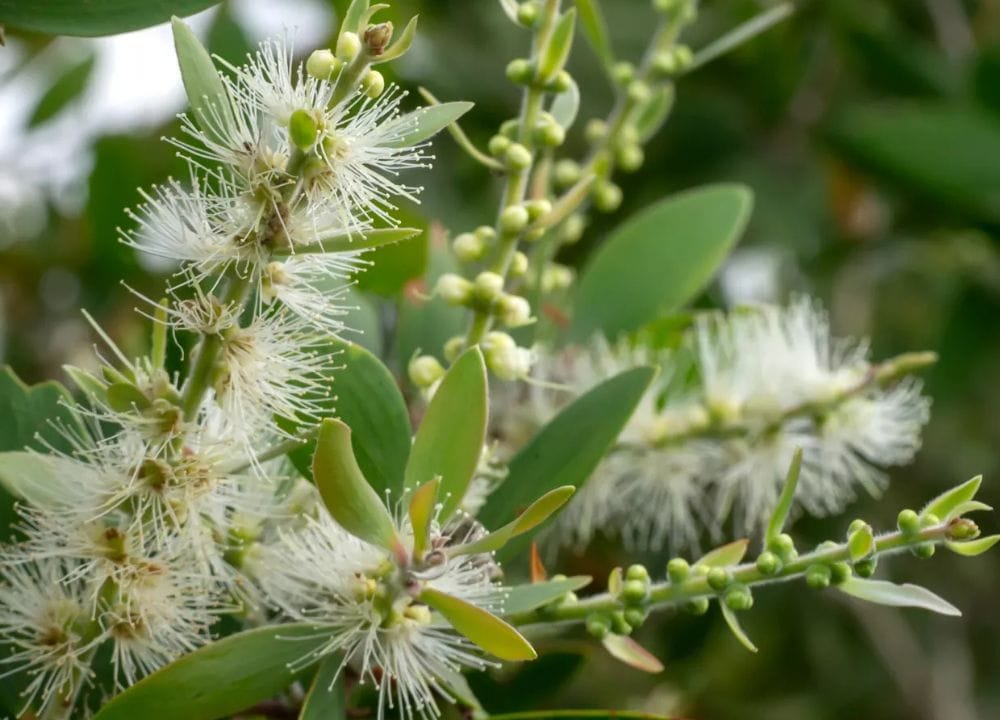
The many benefits of niaouli essential oil
Is ravintsara essential oil effective?
Efficacy ravintsara essential oil is not a matter of chance or word-of-mouth. Several studies have highlighted its antiviral action, thanks in particular to its high 1,8-cineole and alpha-terpineol content. These molecules explain why it is considered one of the most reliable in clinical aromatherapy.
Used correctly,ravintsara essential oil helps fight the viruses responsible for the common cold, influenza and many other respiratory respiratory infections. It has both a direct antiviral action and an immunostimulant effect, boosting the body’s defenses. It is this dual mechanism that explains its recognized value in epidemic prevention, where its regular use, by air diffusion, inhalation or diluted skin application, helps reduce the frequency and intensity of infections.
Today, the consensus is clear: antiviral ravintsara antiviral is no myth. While it is not a substitute for medical treatment, it is an effective natural solution to accompany winter and support the body in its fight against viruses.
Alongside it, theeucalyptus radiata deploys its fresh fragrance and rich 1,8-cineole content to clear the respiratory tract. Niaouli, with its closely related propertieshelp purify the air. Tea tree, already known for its antibacterial virtues, also proves effective as a versatile antiviral. As for lemon, it’s not just a pleasant fragrance: it’s a recognized atmospheric disinfectant that supports the body’s natural defenses.
To this list, some add peppermintstimulating and invigorating, particularly useful in preparation for winter. Together, these oils make up what many consider to be the best winter essential oils.
Overview of viral infections and essential oil synergies
Antiviral essential oils are not limited to respiratory ailments. Their use extends to other common infections, where their biochemical action provides valuable support for the body.
For viral gastroenteritis, a synergy combines Cinnamomum camphora (ravintsara) with a drop of Mentha piperita(peppermint essential oil) diluted in a food oil. This combination, carefully applied to the skin of the abdomen and always diluted in a vegetable oilhelps combat fatigue and digestive spasms. Its effectiveness is based on complementary antiviral and antibacterial mechanisms, well documented in expert publications.
For winter ENT infections, the trio of ravintsara – linalool thyme – noble laurel essential oil remains an unavoidable preference. Diffused in a water diffuser or used for steam inhalation, these essential oils exert a powerful anti-infectious action while boosting immunity. A spoonful ofvegetable oil is all you need to dilute this blend before applying it to the skin.
On the skin, herpes or shingles can benefit from a targeted synergy of lavender and niaouli essential oils. Using their immune-boosting and healing properties, this personal preparation, applied locally to the wrist or lesion with a roll-on container, relieves the viral infection while respecting the skin.
Finally, some publications mention Ceylon cinnamon ‘s role in combating viral or mixed urinary tract infections. Its potency, however, calls for strict precautions: never pure, always diluted, and forbidden for pregnant women, breastfeeding mothers or epileptics.
These examples illustrate how organic essential oils, when certified and derived from quality distillation, offer a wide range of options for combating viruses, boosting immunity and supporting the body in many infectious conditions. The important thing is to be aware of the precautions to be taken, to respect dilutions, and to turn to a reliable expert service.
How to use them without making a mistake?
The effectiveness of an antiviral oil depends as much on its choice as on how it is applied. Let’s take ravintsara as an example:
Atmospheric diffusion: a few drops are all it takes to create a healthier environment. This method acts directly on the air we breathe, limiting the spread of viruses in enclosed spaces.
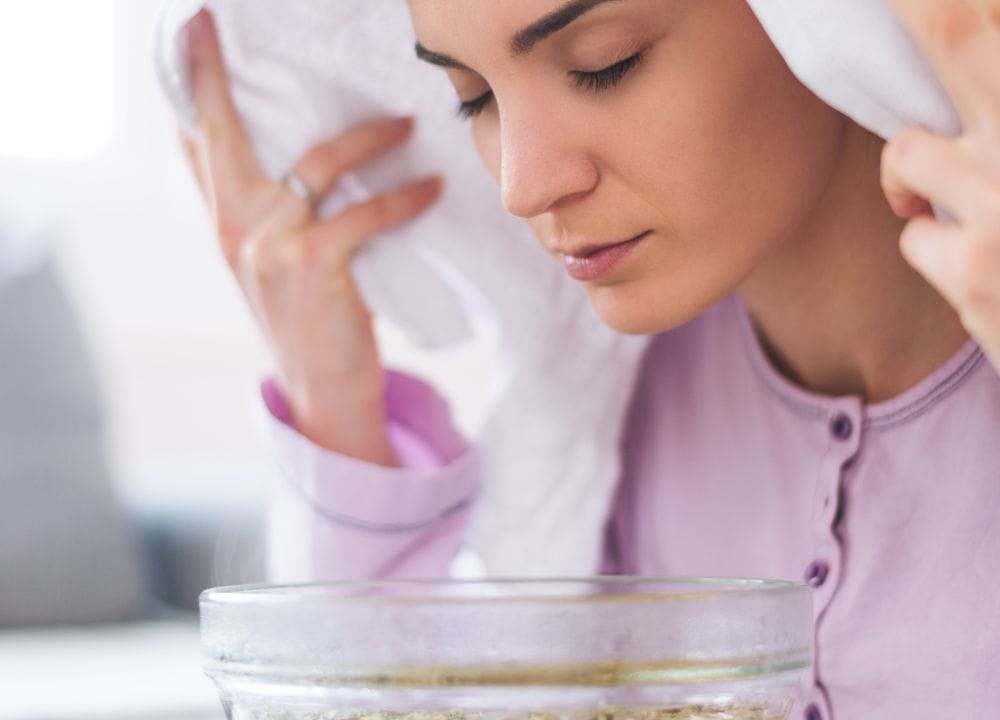
Inhalation, whether dry (on a handkerchief or stick) or moist (in a bowl of warm water)the action is rapid and direct on the respiratory tract.
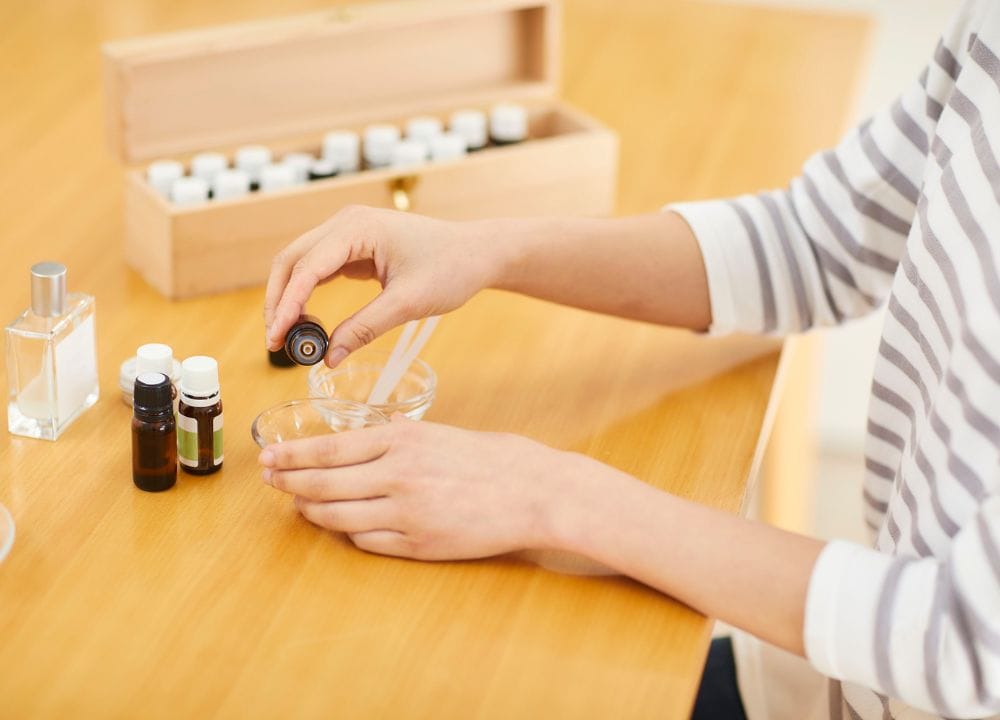
For cutaneous application, always dilute ravintsara or eucalyptus in a vegetable oil before massaging into the chest, back or inside of the wrists. This regular application supports the body’s defenses and creates a simple but effective personal care ritual.
Finally, the oral route must be carefully supervised. Commercial preparations (capsules, tablets) are available, but the ingestion of pure essential oils should be avoided without medical advice.
These precautions are not superfluous. Certain oils, such as oregano or cinnamon, although highly effective against viruses, are dermocaustic and irritating: when taken orally, they belong in the medical field, not in family self-medication. Pregnant women, children and the frail should refrain from using them, or turn to gentler alternatives such as hydrolats.
What benefits can you expect from antiviral essential oils?
The benefits of antiviral essential oils are not limited to the fight against a specific virus. Their value lies in their versatility:
They help relieve minor respiratory infections such as the common cold and flu.
They help boost immunity, by stimulating the body’s natural defenses.
They have medicinal properties that support the body during an infectious episode, while providing an overall sense of well-being.
Last but not least, they are a reassuring natural solution, offering the impression of acting directly on one’s health, without excessive medication.
Studies on ravintsara and tea tree confirm this potential. But their virtues are not limited toantiviral efficacy: they also act on emotional balance. A diffusion of lavender or noble laurel in winter helps reduce stress, which often weakens immunity.
Which viruses are involved?
Talk about essential oil virusis to evoke several contexts. Ravintsara, eucalyptus and tea tree are used against winter viruses: colds, flu and viral bronchitis. Tea tree and niaouli are also used to combat herpes labialis, applied locally, while ravintsara is cited for preventing shingles. These uses do not replace conventional medicine, but they do offer valuable support, particularly in preventing epidemics.
How to choose a quality antiviral EO? Oil selection criteria
The essential oil market is vast and sometimes opaque. To choose an effective antiviral essential oil, you need to check several criteria: the full Latin name, the chemotype, theplant origin, and the organic essential oil certification. A certified oil, derived from a precise and traceable distillation process, guarantees safety and efficacy.
Vigilance is also essential when it comes to counterfeit products. Low prices, bottles without botanical indications or a purely commercial approach should arouse suspicion. It’s better to opt for an artisanal producer, a transparent service and to establish a bond of trust. It is the consumer’s right to demand this clarity, and our duty as producers to provide it.
The ecological challenge and sobriety in aromatherapy
Behind every bottle are kilos of plant material. To obtain one liter of lemon balm essential oil, it can take up to seven tons of plant material. Ravintsara, grown in Madagascar, illustrates the tension between global demand and local resources.
Using these oils therefore implies responsibility. Alternatives exist: ravintsara, eucalyptus or laurel hydrolats, local herbal teas, gentler care methods. These solutions are more respectful of the ecological balance, while offering noticeable effects on immunity.
Towards sustainable aromatherapy, it’s not a question of multiplying bottles but of consuming less, preferring quality and the right uses. Ten drops are not worth ten times as much protection. Aromatherapy is also a call to sobriety.
To go further in your daily life
Winter isn’t just a season of respiratory infections: it’s also a time of fatigue, shorter days and weakened immune defenses.. In this context, the use ofwinter antiviral oils such as eucalyptu radiata or ravintsara makes perfect sense. A few well-diluted drops, applied to the skin or diffused as a vapour, help to boost immunity and combat the virus, while taking the necessary precautions, particularly in the case of pregnancy or babies.
The quality essential oils quality remains a central point: a certified oil, made from carefully distilled leaves, will always be more effective. Digital technology facilitates access to information, via a newsletter or a dedicated article, but the final choice must be based on knowledge, a preference for safe products and measured use. Because an excellent essential oil is only of value if it is used at the right time, with the right container, and with the right intention.
Conclusion
Antiviral essential oils are neither a myth nor a miracle solution. It’s part of an integrative approach to health, where the benefits of essential oils support the body’s defenses, relieve mild infections and offer a natural alternative. Use ravintsara essential oil, d’eucalyptus radiata or tea treeis to reconnect with millennia-old knowledge of plants, enlightened today by modern studies.
They are effective, but only when used with care: choosing a certified oil, taking precautions and integrating them into a healthy lifestyle. In this sense, antiviral oils are a way of connecting the body with nature: a precious alliance, especially in winter.

Editor: Camille Comet
Doctor of Pharmacy University Diploma (DU) in Aromatherapy
Fascinated by the power of plants since childhood, my expertise and passion focus on aromatherapy and the production of essential oils, with an ethical and ecological vision.