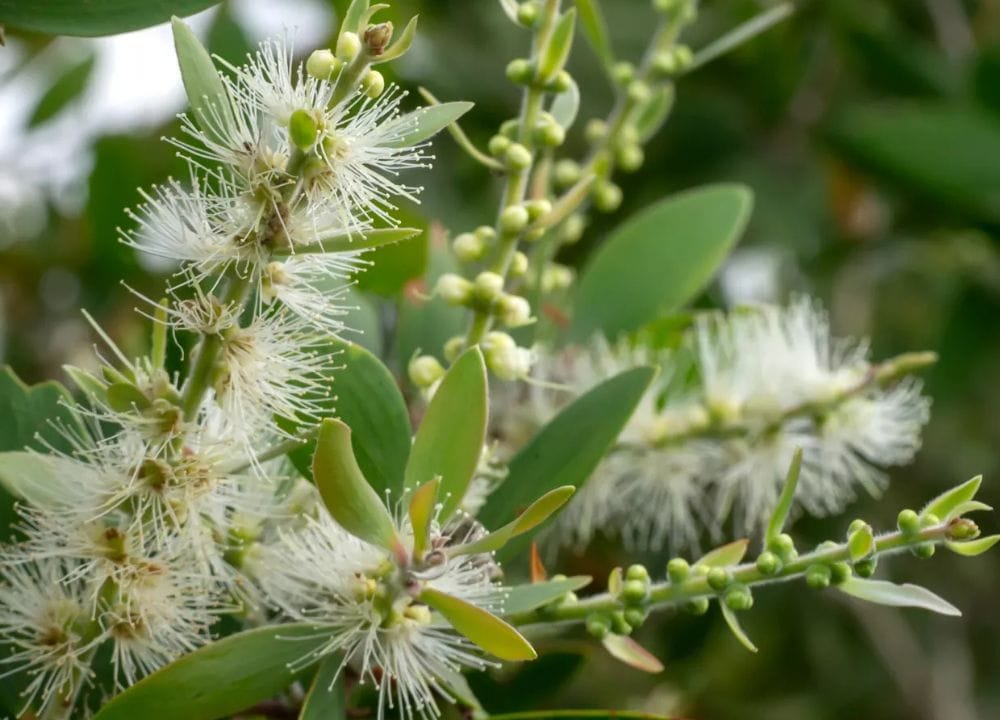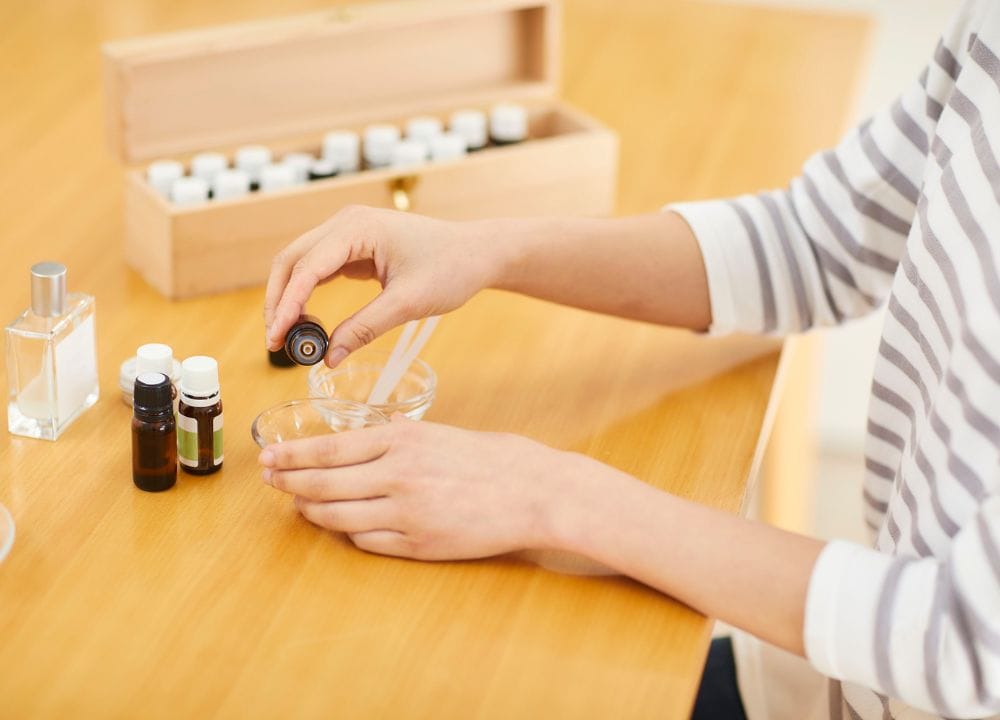
Your cat sleeps on the sofa, breathes the same air as you and shares your world of natural care every day. But beware: what is useful and effective for humans can turn out to be toxic for animals. Citronella oil used as a repellent, a drop of tea tree applied to a wound, a eucalyptus diffuser to purify the house… These seemingly simple practices can trigger vomiting, trembling, respiratory or liver problems.
Why should you? Because the feline metabolism is incapable of eliminating certain substances, and the slightest amount can be enough to make your companion ill. But aromatherapy doesn’t have to be banned altogether: used with care and in appropriate forms, it can also offer calming properties and real benefits.
In this article, you’ll discover a list of oils to avoid, safer solutions (hydrolats, vegetable oils), and advice on how to prevent any danger and continue enjoying aromatherapy on a daily basis… while protecting your cat’s health.
1. A very special metabolism
Cats are not like small dogs. The cat’s organism has a number of specific characteristics, particularly with regard to the liver. It does not produce certain enzymes, which enable it to eliminate substances such as phenols, present in large quantities in certain essential oils. This inability can lead to a progressive accumulation of toxins in the animal’s body, with a real risk of liver and neurological toxicity, and even death in the event of excessive doses or prolonged exposure.
Some oils, such as cinnamon, clove, thyme thymol, oregano and eucalyptus globulus, contain high concentrations of potentially risky molecules. Their use is not recommended in cats, even diluted in a carrier oil. Other compounds, such as ketones (found in clary sage, rosemary camphor and cajeput), can also pose a problem if used in an unsupervised manner.
At the same time, a cat’s skin is very thin and permeable, which facilitates cutaneous absorption. Cats systematically lick themselves when grooming. Any substance deposited on the hair or skin ends up being ingested, considerably increasing the risk. Finally, the vomeronasal (or Jacobson’s) organ, particularly well-developed in felines, makes their olfactory system extremely sensitive, even to light notes such as tea tree, Scotch pine or peppermint.
2. Don't panic: not everything is dangerous
However, it would be misleading to think that any exposure to an essential oil constitutes an immediate danger for a domestic cat. Everything depends on the type of molecule, the dose, the route of administration, and above all… the animal’s clinical situation. Some cats are sick, in liver failure, or elderly, which increases the risks; others are young, healthy, and much more resistant.
A cat in good health, living in an airy house where a drop ofessential oil is occasionally used in a temporarily closed room, will not necessarily show signs of intoxication. Especially if the oil used is of good quality, pure, organic, non-oxidized and well preserved. It’s perfectly possible to leave the room if you feel unwell: this natural avoidance reflex should be respected.
Incidents are caused by repeated, unconscious use, incorrect dosage or careless application: continuous diffusion, cutaneous application, accidental ingestion, or prolonged contact with impregnated fabrics. Many so-called “natural” products, sold as sanitizing or relaxing, actually contain synthetic ingredients that are poorly tolerated by pets.
From essential oils such as lavender lavender, rose geranium or ylang ylangcan still cause toxicity in cats if used as permanent diffusers, or if poorly diluted. Caution must be exercised not only with regard to the nature of the oil, but also to its concentration, the method of administration and the animal’s ability to withdraw from it.
3. Passive inhalation: the main point of vigilance
Reported cases of poisoning in cats mainly concern chronic or prolonged exposure via the respiratory route. Direct diffusion immediately comes to mind, but this is not always the most obvious mode of exposure.
Essential oils, especially when diffused or emitted by a heating product (candle, plate or ultrasonic diffuser), emit volatile molecules that settle on textiles, cushions, curtains and fur. A cat lying on a plaid scented with peppermint or tea tree can be exposed to irritating compounds for hours, even days. Some molecules (such as 1,8-cineole from eucalyptus or menthol) can cause respiratory problems, neurological signs or excessive salivation.
This passive, insidious exposure is all the more problematic as it can accumulate: a sanitizing spray here, a scented detergent there, a natural shampoo containing geranium or pineessential oil… The accumulation of residues then becomes a real health problem. To protect your cat, it’s best to limit repeated exposure, especially in resting or feeding areas.
4. Clear rules for serene cohabitation
Some practices should be avoided outright. Others can be maintained with common sense and caution.
Do not apply to the skin without veterinary advice, even if diluted in a vegetable oil. vegetable oil. Oils rich in phenols or aldehydes (such as thyme, cinnamon or oregano) can cause severe irritation, or even systemic toxicity after licking. A cat’s skin is not a suitable substrate.
Limit diffusion to brief sessions (5 to 10 minutes), in the absence of the animal, in a well-ventilated room. Airing the room afterwards reduces the concentration of aromatic molecules.
Avoid spraying directly onto textiles in contact with the animal (basket, cushion, blanket). Even a mild formulation can become problematic through accumulation.
Read labels carefully: many “natural” household products contain extracts of citrus, lavandin, rosemary ortea tree, sometimes in sufficient quantities to cause chronic irritation or digestive symptoms.
Avoid improvised blends. The fact that an essential oil is natural does not always mean that it is suitable for domestic use in the presence of animals.
5. The importance of essential oil quality
Using a quality essential oil is not a sufficient guarantee of safety, but it is a risk-reducing factor. A pure, organic essential oil, obtained by gentle distillation (or cold expression for citrus fruits), and analyzed by chromatography, offers important guarantees:
It contains no residues of solvents or undesirable synthetic compounds.
It is less oxidized and therefore less irritating to the respiratory tract.
It has a controlled chemical profile, with measurable doses.
This is particularly important for sensitive oils such as tea tree or spearmint. A poorly preserved batch may contain irritating peroxides, undetectable by smell, but toxic in the long term. In this respect, the traceability of the container, the date of production and the chemotype should be checked on the manufacturer’s or retailer’s website. Here’s an article dedicated to choosinghigh quality essential oils.
At Boèmia, these criteria are our compass: every essential oil we offer meets these high standards of quality, transparency and safety. You can find them on our website, along with all the information you need for informed use.
6. Hydrolats and gentle alternatives: precious allies
In view of the limitations we have just discussed with regard to essential oils for cats, organic organic hydrolats offer a gentle, respectful and safe solution. Obtained during the distillation process, they contain a minute quantity of aromatic molecules, generally well tolerated by animals.
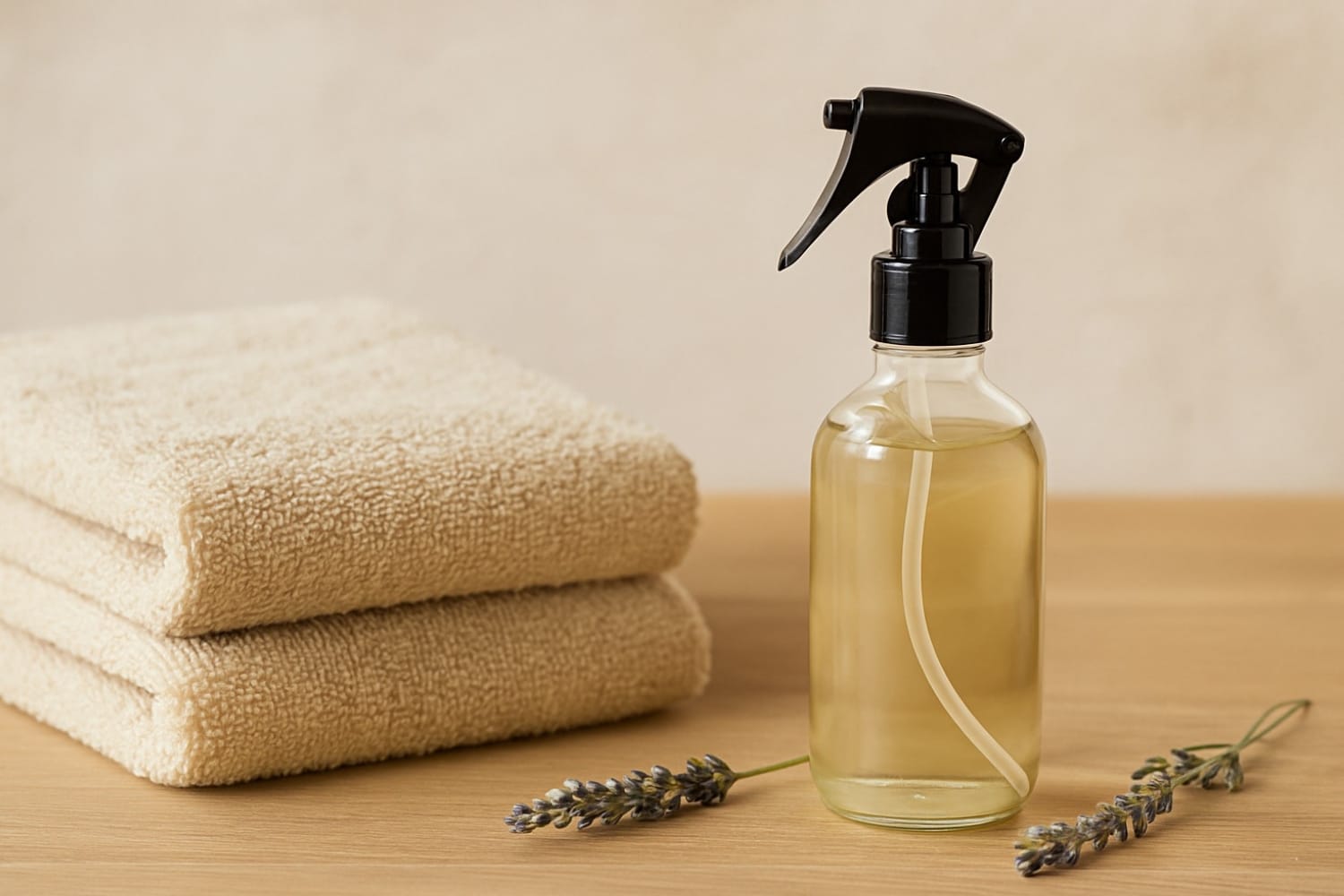
L’true lavender hydrosol can be sprayed into the air or onto a fabric, without causing any toxic effect, and with real calming power. The same applies to orange blossom hydrosol (soothing,anti-stress), Roman chamomileRoman chamomile hydrosol (calming, digestive), or evenlemon balm hydrosol (behavioral rebalancing). These products can be used in transport cages, resting areas or as room sprays. They help preserve the olfactory environment without damaging the animal’s immune or liver systems.
In veterinary aromatherapy, hydrolats represent a promising therapeutic base for certain disorders: anxiety, fatigue, digestive problems, environmental changes… They can also be useful for external treatments (skin regeneration, cleansing of irritated areas).
7. How to spot a problematic exposure?
The signs of intoxication are not always obvious. Vigilance is required in the face of certain symptoms: vomiting, abnormal salivation, tremors, lethargy, breathing difficulties, loss of appetite, behavioral disorders (agitation or withdrawal). Prolonged contact with certain essential oils (even diluted) may cause skin irritation, digestive disorders or mild neurological symptoms.
In case of doubt, please :
Move the cat away from the source of exposure;
Ventilate the room immediately;
Avoid reapplication;
Consult a veterinarian in an emergency.
There’s no point in trying a home treatment or administering a food supplement or activated charcoal without indication. A veterinary consultation is the only responsible course of action.
8. What do vets think?
Essential oils have their place in certain veterinary therapeutic approaches. Practitioners trained in animal aromatherapy, for example, use preparations and blends according to specific protocols. These practices are based on scientific research, pharmacological studies and strict adherence to dosages.
Essential oils are never administered lightly: their dilution, route of application (internal, cutaneous, external), carrier(vegetable oil, alcohol, suitable excipient) and duration of treatment are crucial. There is a list of potentially usable essential oils, such as certain diluted forms of true lavender orylang ylang, but always within a rigorously supervised therapeutic framework.
Finally, although certain oils are sometimes reputed for their anti-parasite effect in vitro, in practice it is very difficult to find an effective dose while remaining within a sufficiently safe zone (low risk) for a cat. The risk of intoxication or irritation quickly outweighs the expected benefit. For this reason, these products are not suitable for self-medication.
Apart from this specialized practice, it is not advisable to use any essential oil, even organic ones, on an animal without a veterinary diagnosis. Each cat has its own sensitivity, and certain pathologies(liver failure, allergic conditions, reaction to citrus fruits) can make aromatic use risky.
9. In conclusion: lucidity, caution and common sense
Visit essential oils are powerful plant concentrates. Their use on pets must be carefully considered, measured and perfectly adapted to the environment. In cats, potential toxicity exists, but can be avoided with a few simple precautions: choose the right oil, use it in the right dose, at the right time, by the right route, taking into account the animal and the context.
Choose hydrolatsThe benefits of aromatherapy can be enjoyed without jeopardizing the health of our companions, thanks to training, reading reference books, seeking advice from a veterinarian trained in aromatherapy, respecting the animal’s space and avoiding approximate recipes.
Yes,tea tree, peppermint, juniper or eucalyptus can become toxic if misused. But well-chosen, well-dosed natural extracts can also help relieve, calm and soothe.
The ideal solution? Keep common sense as a compass, and remember that what’s good for humans is not necessarily good for animals. Respecting this difference is the first step towards harmonious… and responsible cohabitation.

Editor: Camille Comet
Doctor of Pharmacy University Diploma (DU) in Aromatherapy
Fascinated by the power of plants since childhood, my expertise and passion focus on aromatherapy and the production of essential oils, with an ethical and ecological vision.
FAQ - Essential oils and cats: we help you make sense of it all
Can essential oils be used on cats?
The use of essential oils in cats is delicate. Most must be diluted or avoided, as the feline metabolism lacks the glucuronyl enzyme needed to eliminate certain compounds. An oil applied to the coat or nose can penetrate the body and cause liver or system problems. Which essential oils should be avoided at all costs?
Oils rich in phenols or ketones, such as cinnamon, thyme, oregano, sage essential oil or cistus essential oil, can be toxic to cats. Their application, even to a small part of the body, is strongly discouraged. Tea tree essential oil, widely used by humans, can be particularly dangerous for pets.
Are there safer alternatives?
Yes, you can opt for hydrolats, chamomile (known for its calming effect), or vegetable oils (rich in fatty acids). For example, lavender hydrolate (Lavandula officinalis) is a safer option than pure oil. Veterinary medicine is also exploring the use of certain extracts in lower doses, in order to reduce the risk of infection. Can essential oils be sprayed in the home?
It’s best to avoid them. Even when diffused briefly, the molecules attach themselves to tissues, increasing the risk of intoxication. A closed room where a cat remains locked up with a diffuser can quickly become a high-risk area. If you insist on scenting your home, opt for water-based alternatives or hydrosols.
Are some commercial products dangerous?
Yes, sprays, soaps, anti-parasite collars and so-called “natural” solutions sometimes contain essential oils that are too strong, used pure or badly diluted.Veterinary advice is essential to avoid endangering your cat.
What about during gestation or breast-feeding?
Essential oils are already not recommended for pregnant women. For kittens and nursing cats, the same caution applies: any exposure to essential oils (lavender, palmarosa, ravintsara…) should be avoided.
Are essential oils proven effective in cats?
To date, science has very few solid studies. In France, a few animal aromatherapy practitioners mention rare cases ofoptimal use (e.g.palmarosa essential oil in controlled diffusion, or ciste ladanifère in specialized preparations). But there is no robust data to recommend routine use without veterinary consultation.