
Editor: Camille Comet
Doctor of Pharmacy University Diploma (DU) in Aromatherapy
Fascinated by the power of plants since childhood, my expertise and passion focus on aromatherapy and the production of essential oils, with an ethical and ecological vision.
One drop. Just one drop. And already, eucalyptus radiata frees your blocked nose, peppermint refreshes your breathing, ravintsara stimulates your defenses. At the very first signs of a cold, cough or sinus inflammation, respiratory aromatherapy offers a powerful natural solution.
In a wet inhalation, on a handkerchief or in a bowl of warm water, these essential oils act at the heart of the ENT system to clear bronchial tubes, liquefy secretions, soothe coughs, relieve mucous membranes and promote freer breathing.
Thanks to their composition rich in active molecules (thymol, 1,8-cineole, alpha-pinene), they are indicated for congested respiratory tracts, while offering an antiseptic, antiviral or anti-inflammatory effect depending on the plants chosen: fine lavender, niaouli, tea tree, Scots pine, rosemary cineole…
But beware: some oils are not recommended for pregnant women, children or asthma sufferers. It’s important to know how best to use them, their specific properties and the recommendations to be followed.
In this comprehensive guide, discover how to use them safely, day after day, to naturally relieve your blocked nose and the whole respiratory and ENT sphere.
➡ Breathe better, naturally, thanks to essential oils. Follow the guide!
Why use essential oils for breathing?
Mechanisms of action of essential oils for the respiratory tract
Essential oils act on the respiratory system thanks to their expectorant, decongestant, antiseptic and mucolytic properties. Their active components, such as 1,8-cineole (eucalyptol), thymol (thyme essential oil) or menthol, help eliminate mucus, reduce inflammation of the mucous membranes and combat infectious agents. These combined actions promote easier breathing and relieve symptoms associated with respiratory infections.
Which essential oils to choose to clear the respiratory tract?
Here is a selection ofessential oils for colds, particularly effective in clearing the respiratory tract, and their virtues:
| Essential oil | Main properties | Frequent indications | Precautions for use |
| Eucalyptus radiata essential oil | Expectorant, mucolytic, antiviral | Colds, sinusitis, coughs, bronchitis | Not recommended < 6 years, asthma, moderate use in children |
| Ravintsara essential oil | Antiviral, immunostimulant | Flu, viral fatigue, winter prevention | Well tolerated, caution for asthmatics |
| Niaouli essential oil | Antiviral, antibacterial, anti-infectious, expectorant | ENT infections, coughs, nasal congestion | History of hormone-dependent cancer |
| Peppermint essential oil | Tonic, decongestant, local anesthetic | Headaches, sinusitis, blocked nose | Forbidden < 6 years, pregnant women, strict dilution |
| Lavender aspic essential oil | Antibacterial, healing, mucolytic | Colds, ENT irritation, dry coughs | Skin test recommended, prohibited < 6 years |
| Thyme linalool essential oil | Antibacterial, antiviral, immunostimulant | Infections, otitis, angina | Well tolerated, but skin test recommended |
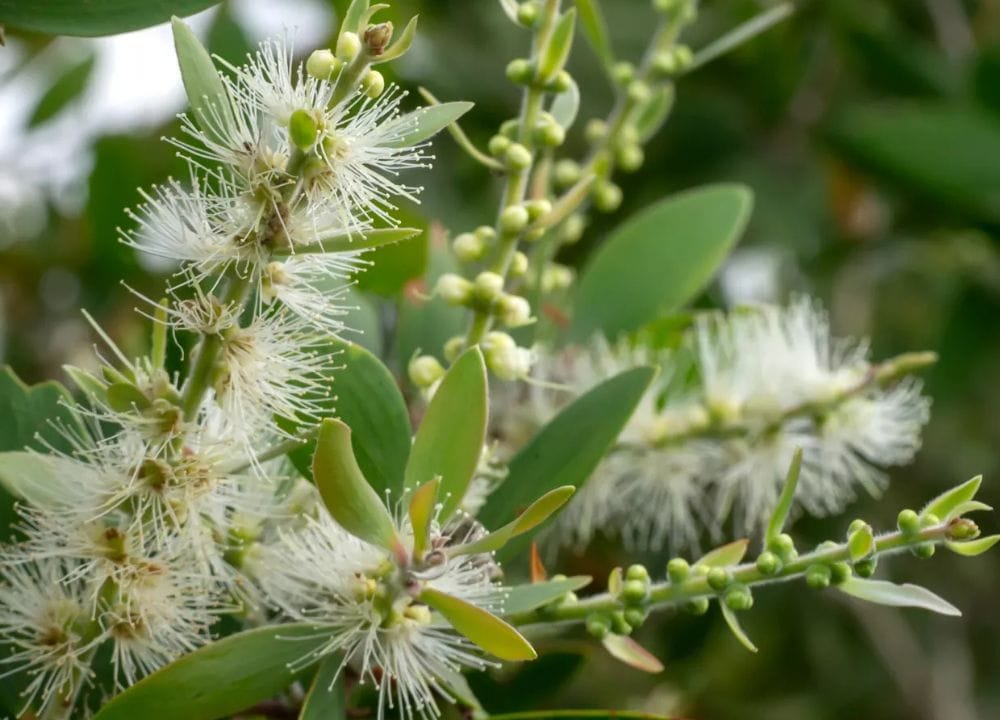
| Tea tree essential oil | Antiviral, antifungal, antibacterial | Angina, bronchitis, bacterial or viral infections | Well tolerated, but skin test recommended |
| Rosemary cineole essential oil | Expectorant, antibacterial, tonic | Oily cough, sinusitis, mental fatigue | Caution if epilepsy or hypertension |
| ScotsPine essential oil | Mucolytic, decongestant, tonic | Bronchitis, cough, blocked nose | Irritant pure, prefer diffusion or dilution |
| Aleppopine essential oil | Decongestant, respiratory antiseptic, anti-inflammatory | ENT congestion, cough, sinusitis, inflammation | Irritant pure, prefer diffusion or dilution by skin. |
⚠️ Important warning
Essential oils have many benefits. Although effective thanks to their anti-infectious properties (antiviral, antibacterial, antifungal, etc.), they are not a substitute for medical advice. In the case of declared illness, chronic health problems or specific situations (breastfeeding, children, asthma, ongoing treatments, etc.), it is strongly recommended to consult a health professional trained in aromatherapy.
In all cases, opt for pure, chemotyped organic essential oils, for safer, more effective and healthier use.
How to use essential oils to breathe easier?
Wet inhalation for colds and coughs
Wet inhalation involves adding a few drops of essential oil to a bowl of hot water, then inhaling the vapors for around ten minutes. This method is particularly effective for decongesting the nose, thinning secretions and soothing coughs. However, it is not recommended for children under six or for asthma sufferers.
Dry inhalation: a simple, easy-to-use procedure
Dry inhalation is a practical and immediate way to enjoy the benefits of essential oils, especially for colds, blocked noses or tired breathing. Simply place 1 to 2 drops of essential oil (such as eucalyptus radiata, ravintsara or peppermint) on a handkerchief, then breathe slowly and deeply several times. This method works quickly to decongest the airways, relieve headaches and promote fluid breathing, without the need for any special equipment. It’s ideal for use on the move or in the office.
Atmospheric diffusion: purify the air and free breathing
Diffusing essential oils into the air helps to purify the atmosphere and prevent infections. We recommend diffusing for 15 to 20 minutes, no more than three times a day, using oils such as eucalyptus radiata or ravintsara. Be sure to follow the instructions before use, especially in the presence of children or pregnant women. Read our article on the number of drops of essential oil in a diffuser.
Massage and the cutaneous route: a rapid and effective effect
Dilute a few drops of essential oil in an vegetable oil (such as sweet almond oil) and massage into the chest and back (or, for greater discretion, the soles of the feet). This application helps decongest the respiratory tract and stimulates the immune system. Always perform a skin test beforehand to avoid allergic reactions.
Oral route: effectiveness and precautions to be taken
Certain essential oils, such as ravintsara or thyme, can be ingested to boost immunity. However, this route of administration requires great caution. It is essential to consult a health professional before ingesting any essential oils, and never exceed recommended doses.
Recipes and essential oil synergies for the ENT sphere
Ready-to-use mixtures for respiratory infections
For an effective synergy against respiratory infections, mix .
2 drops ofravintsara essential oil
1 drop of essential oil of thujanol thyme
Apply this mixture diluted in vegetable oil on the thorax, twice a day, for five days.
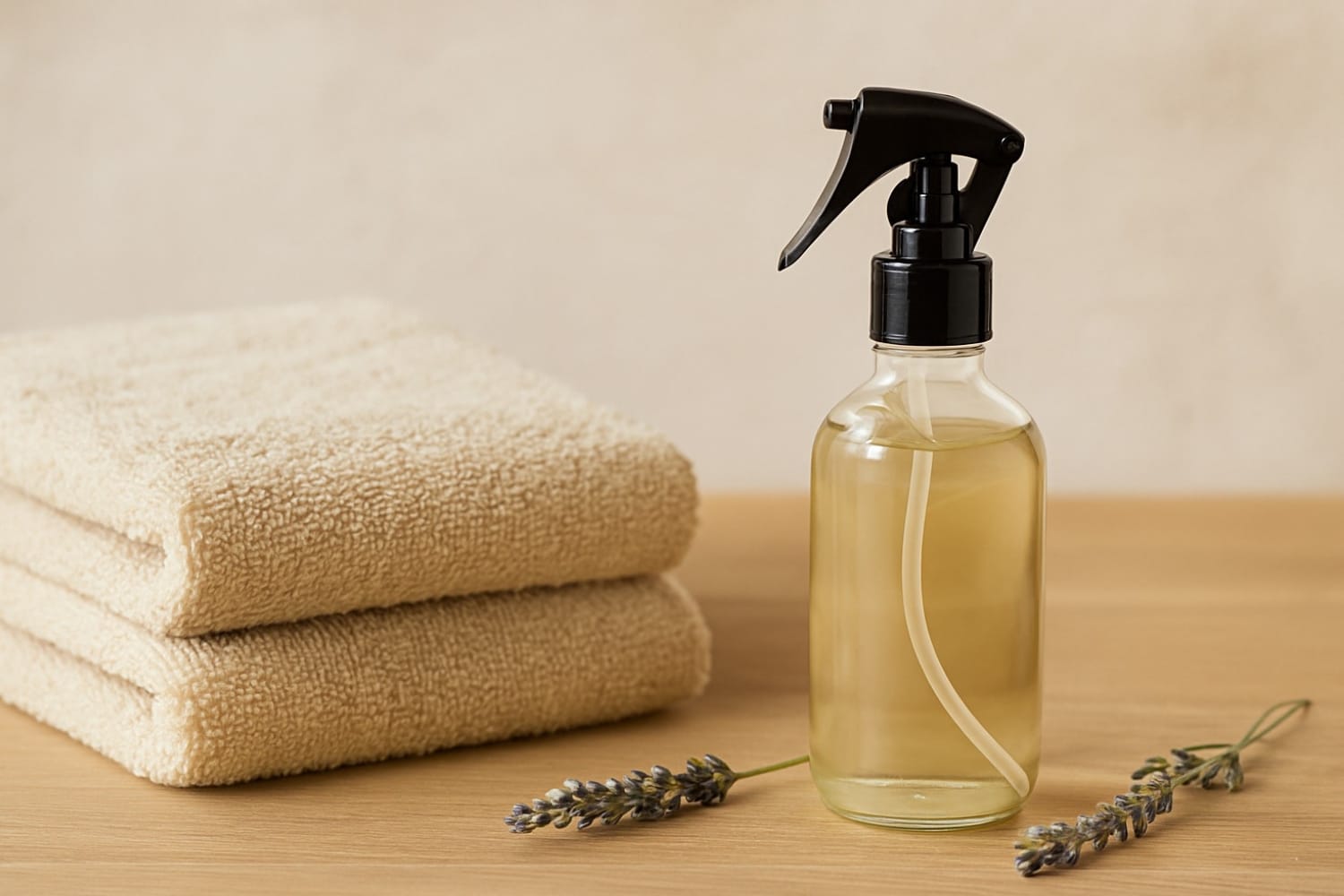
Air purifying spray
Prepare your own sanitizing spray by mixing :
30 ml 70° alcohol
10 drops ofAleppo pine essential oil
10 drops ofravintsara essential oil
10 drops oflemon essential oil
Spray into the air to purify your home and make breathing easier.
Here’s an article to go further into essential oil synergies
Precautions when using essential oils for the respiratory tract
Which essential oils are not recommended?
Certain essential oils, particularly those rich in ketones (such as sage or hyssop), are neurotoxic and abortifacient. They should therefore be avoided by pregnant women, children and people with epilepsy. Citrus essential oils are also photosensitizing and should not be applied before exposure to the sun.
Precautions when using essential oils for the respiratory tract
The use of essential oils requires special care to avoid any health risks. Here are the main warnings to consider:
Specific contraindications
- Pregnant women and children: Essential oils are generally not recommended, especially during the first trimester of pregnancy, or for young children, due to the presence of substances that are potentially neurotoxic or toxic to the fetus.
- Asthmatics and epileptics: Certain essential oils can trigger seizures in people suffering from asthma or epilepsy. It is therefore essential to consult a health professional before use.
Appropriate administration and dosage
- Oral route: Ingestion of essential oils should be carried out with caution and under medical supervision, due to the potential risks to the liver and mucous membranes.
- Cutaneous application: It is essential to dilute essential oils in a vegetable oil. vegetable oil to avoid skin irritation. Some oils (mainly citrus) are photosensitizing and can cause reactions when exposed to the sun.
- Inhalation: This method is effective for respiratory ailments, but should be avoided by people with sensitive respiratory systems, such as asthma.
Conclusion: Breathe better, but never randomly
Respiratory essential oils can transform your daily life, as long as you choose quality and use them wisely. At Boèmia, we believe that offering your body the purest essential oils is already taking care of your health. That’s why we rigorously distill and select organic essential oilschemotyped, 100% pure essential oils produced by artisanal distillation that respects both plants and people.
When faced with a cold, sinus inflammation or a winter episode, don’t leave anything to chance: opt for powerful essences, tracked down and recommended by health professionals trained in aromatherapy. Give your body what it deserves: effective, safe and noble essential oils. That’s our commitment at Boèmia.
✅ FAQ - Essential oils & blocked nose: everything you need to know
❓What essential oils for breathing?
Eucalyptus radiata essential oil is the best choice for decongesting nasal passages. Rich in 1,8-cineole, it has mucolytic, bronchial fluidifying and antiviral properties. It helps to clear blocked noses quickly, particularly in the case of colds, sinus inflammation or coughs.
❓ How many drops of eucalyptus radiata are needed for a cold inhalation?
Add 2 to 3 drops of eucalyptus radiata to a bowl of hot water, then inhale the vapors for 5 to 10 minutes, eyes closed. This procedure can be repeated 2 times a day, observing the instructions for use (not recommended for children under 6, during pregnancy, asthmatics).
❓ Is it safe to inhale essential oils every day?
An inhalation can be performed 1 or 2 times a day, for a few days, during periods of respiratory infection. It is important not to exceed recommended doses, and not to prolong inhalations beyond 5 days without medical advice.
❓ What's the simplest homemade recipe for a wet inhalation for sinusitis or bronchitis?
In a bowl of hot (not boiling) water, pour :
2 drops of niaouli or ravintsara essential oil (for antiviral effect),
1 drop peppermint or Scots pine (decongestant).
Inhale with steam for 5 to 10 minutes. Do not use on children or pregnant women.
❓ Why use a bowl of hot water rather than an inhaler to inhale essential oils?
The bowl allows aromatic vapors to be diffused quickly and widely into the upper airways. However, the inhaler is more practical for targeted use on the move. In both cases, the heat of the water promotes the release of the active molecules.
❓ Which essential oil should I use for dry coughs, sore throats or inflamed mucous membranes?
Lavender aspic, cypress and linalool thyme are recommended for soothing dry coughs and mucous membrane inflammation. They are often combined with a vegetable oil for gentle local application (throat, chest).
❓ Is it useful to diffuse essential oils to breathe at night in case of a blocked nose?
Yes, diffusing eucalyptus radiata, ravintsara or Scots pine essential oil at night can improve breathing and sleep quality. Use a cold diffuser for 15 minutes before bedtime, respecting any contraindications (especially for children and during pregnancy).
❓ Which essential oils are not recommended for people with asthma or sensitive skin?
Oils containing ketones or with a highly stimulating action (peppermint, eucalyptus globulus, rosemary camphor) can trigger attacks in asthmatics. It’s best to seek medical advice first.
❓Should essential oils be diluted before inhalation or used neat?
For wet inhalation, essential oils are used pure, directly in warm water (just a few drops). When applied to the skin or in a spray, they should always be diluted in a vegetable oil or neutral base.
❓How to choose a quality essential oil: extraction, origin, composition?
A quality essential oil must be :
100% pure and natural,
from certified organic or wild-picked plants,
extracted by gentle steam distillation (or cold expression for citrus fruits),
chemotyped (biochemical profile indicated on the vial),
traceable, with indication of origin, batch and distilled part.