Hydrolats and floral waters in history
Floral waters have been around for thousands of years, since the first distillations appeared in ancient Egypt, where they were highly prized, notably rose floral water.
However, the real era of hydrolats began in the 11th century, thanks not only to improved distillation techniques but also to the Persian philosopher and physician Avicenna.
From then on, floral waters were widely used by our ancestors, reaching their apogee in the 13th century, when there were no fewer than 200 different hydrolats. Indeed, during this long period of history, the very purpose of distillation was to produce a precious floral water, while essential oils were relegated to the status of by-products.
This period subsequently came to an end, with new distillation and cultivation techniques designed to increase the production of essential oils from plants. All this, supported by the boom in perfumery at the time, meant that essential oils surpassed hydrosols.
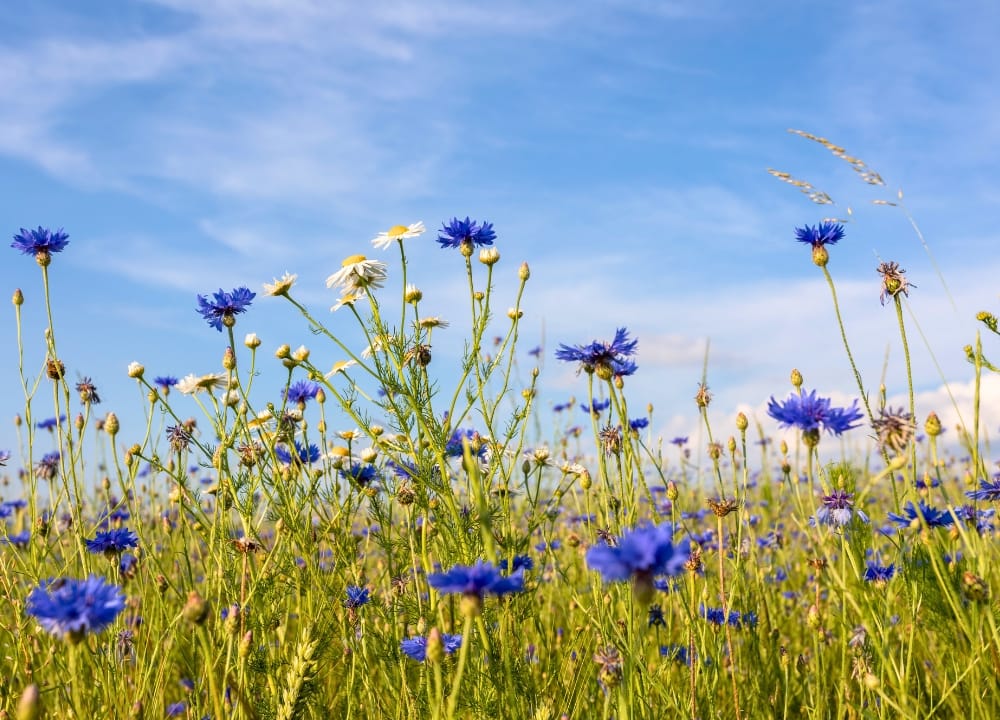
So much so, in fact, that they fell into oblivion, and most of them were discarded as soon as distillation was complete. Rose floral water, cornflower floral water, orange blossom floral water,chamomile hydrosol and lavender hydrosol were the only ones to be preserved.
Hydrolats and floral waters today
A bright future for hydrolats. Following the boom in essential oils and aromatherapy over the past 30 years, hydrolats are making a comeback.
More and more hydrolats are being marketed by producers, and demand is growing.
Their ease of use and effective action make them excellent companion products in alternative medicine. Many therapists use them. Increasingly detailed studies are being carried out, restoring the prestige of these fabulous treasures of nature that had been lost to time.