What if a few drops were enough to transform your home into a haven of peace? Perfumed, purified, energizing or relaxing, each distilled oil acts on the air you breathe and your well-being. Thanks to a mister, cold nebulizer or even a simple clay dish, you can safely diffuse the scents of lavender, eucalyptus, pine or lemon to create a soft, natural ambience. In this guide, you’ll discover how to choose your diffuser, which essential oils to use to purify a room or promote sleep, and how to enjoy all their virtues safely, even with children. Breathe easier, sleep more soundly, relax or boost your concentration: aromatic diffusion is a simple, practical and tremendously effective method.
Understanding essential oil diffusion
What is diffusion and how does it work?
Diffusing an essential oil of your choice releases its aromatic molecules into the ambient air. These are then breathed in and interact with our limbic system, the seat of our emotions, as well as with our respiratory tracts. Depending on the method used, they are transformed into micro-droplets or micro-particles for slow or intense diffusion.
Why diffuse an essential oil?
Diffusing an essential oil allows :
Purify the air in the home (antibacterial, antifungal)
Naturally perfume your home
To promote relaxation or, on the contrary, tonus
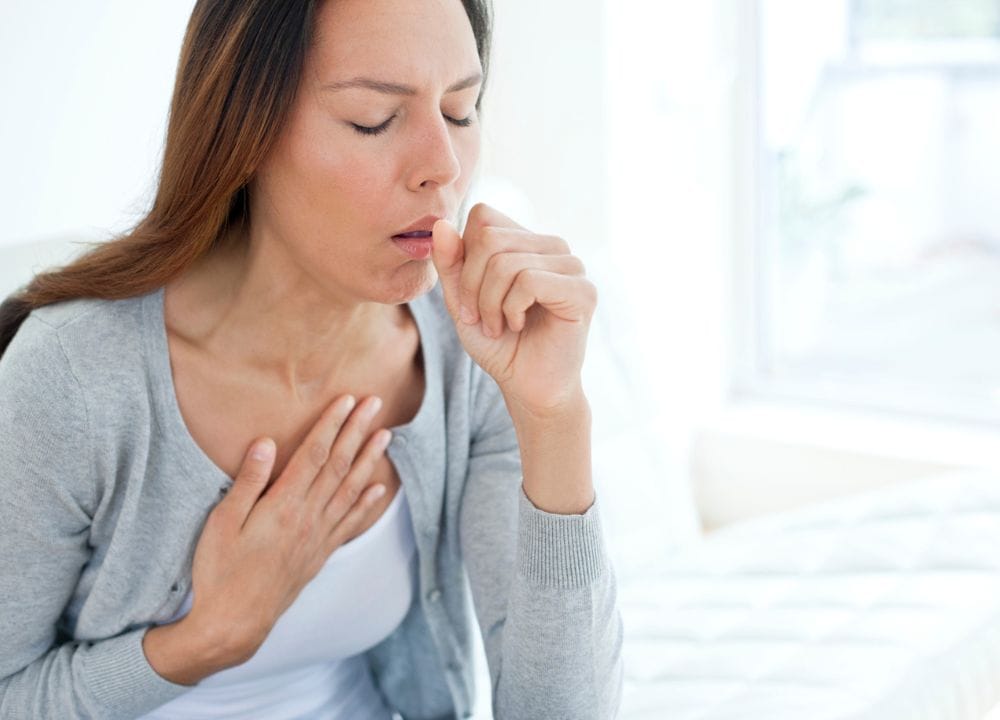
Supporting immunity and respiration in wintertime
Diffusion methods
With electric actuator
1. Ultrasonic misting: a silent, gentle and aesthetically pleasing method of diffusion. It mixes water and essential oils to create a fine, fragrant mist.
2. Nebulizer diffuser: powerful, water-free nebulizer propels pure essential oils for maximum therapeutic effect.
3. Soft-heat diffuser: ideal for light air diffusion. Less intense, but quiet and economical.
You can find out more in our essential oil diffuser article.
Diffusing without a diffuser: natural alternative methods
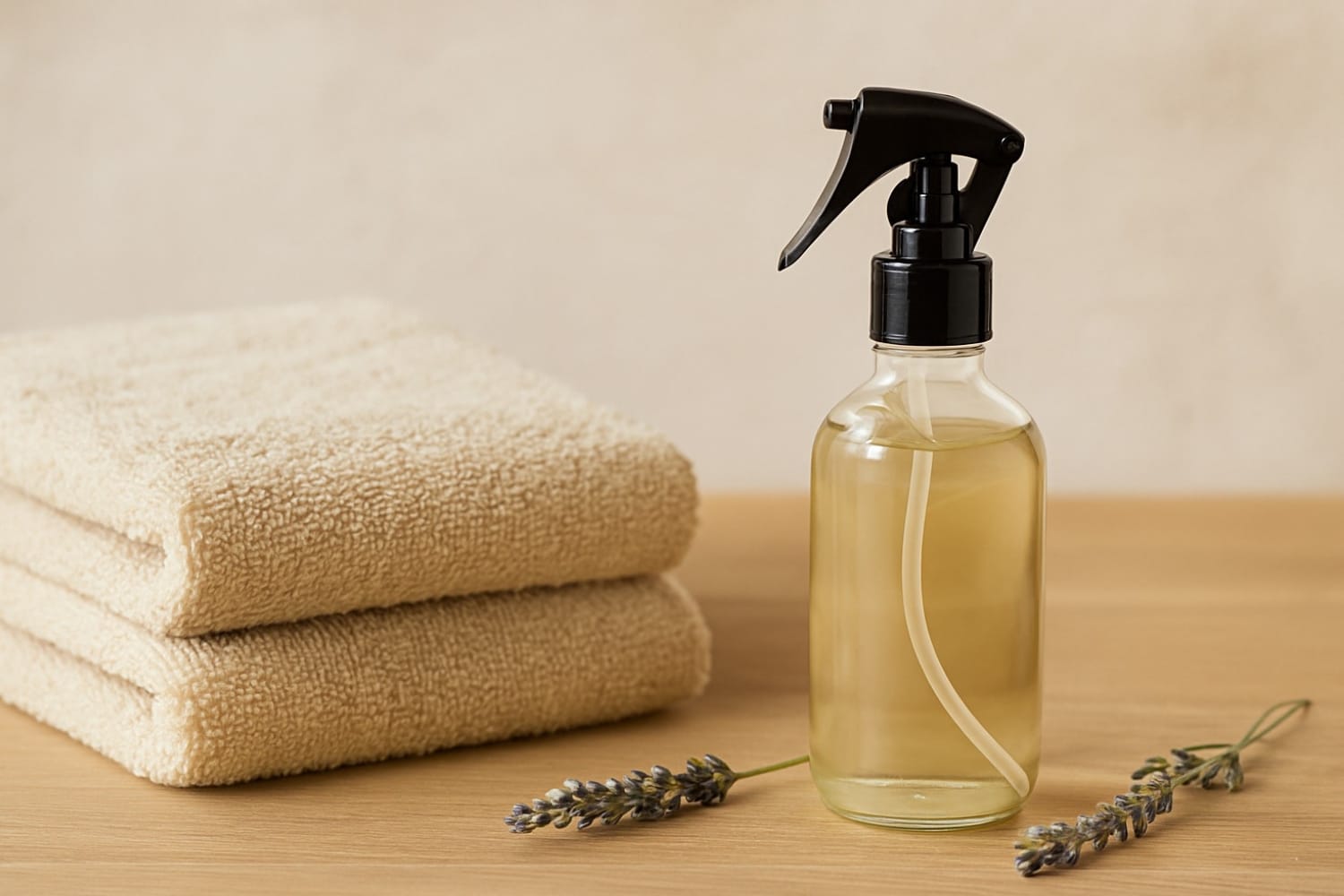
On a cloth or cotton pad: place a few drops on a handkerchief close to you.
On a radiator or in a bowl of hot water: for gradual evaporation.
On coarse salt, a pine cone or porous pottery: simple, aesthetic and effective methods.
And with a humidifier?
Some humidifiers accept essential oils. Always check compatibility. These devices provide discreet, but less concentrated diffusion.
Choosing the right essential oil for your diffuser
Essential oils to choose according to your needs
Relaxation: lavender essential oil, petit grain ( find out more about how to use petit grain bigarade essential oil), sweet orange
Breathing: eucalyptus radiata, ravintsara essential oil, Scots pine
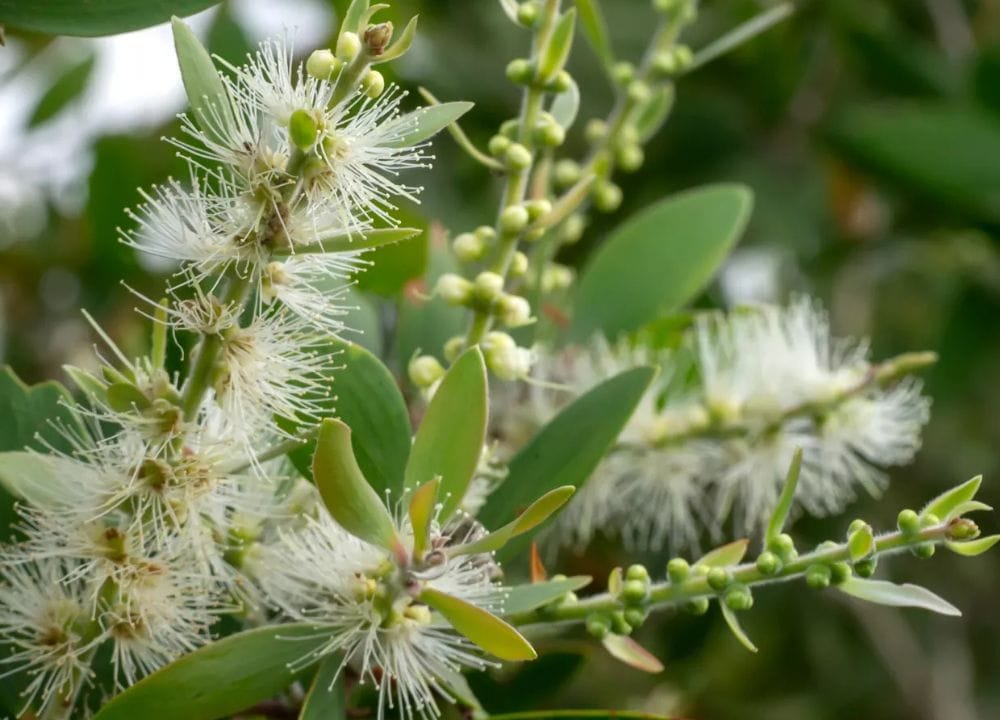
Purification: lemon, tea tree, saro
Essential oils not recommended for diffusion
Some essential oils are too powerful or irritating, in particular :
Peppermint essential oil (irritant, not recommended for children). Find out more in our special article on peppermint danger.
Cinnamon, clove (dermocaustic)
Sage (neurotoxic)
Can I mix several essential oils?
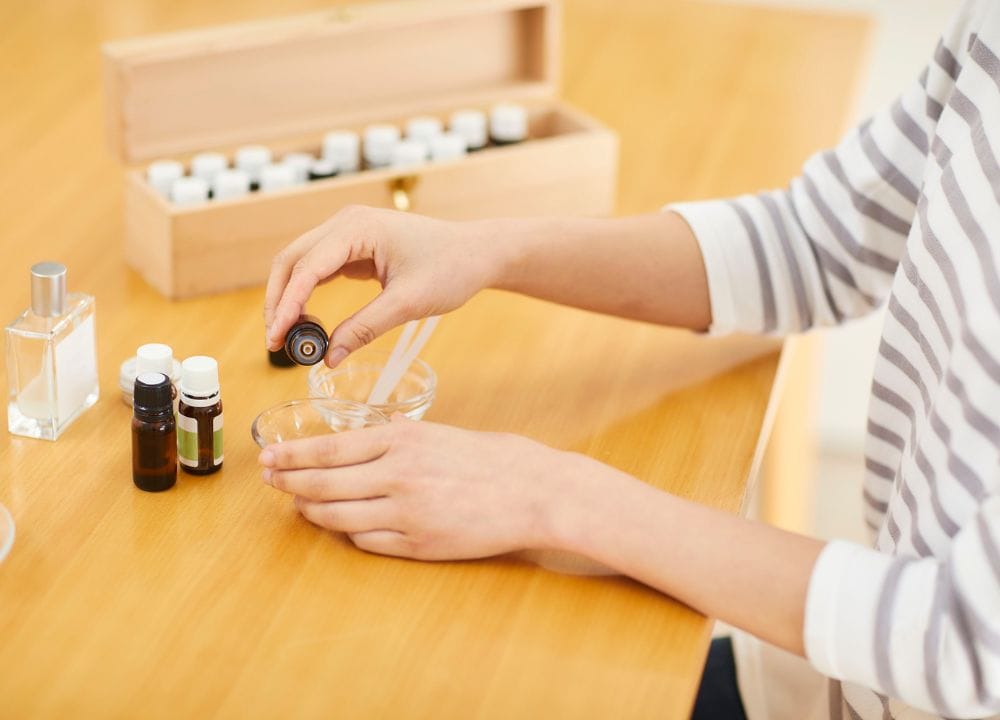
Yes, it’s called “synergy”. A good blend maximizes effects without weighing down the scent. For example: lavender + sweet orange + petit grain = perfect anti-stress.
Instructions and precautions for use
How many drops should I use?
Small spaces (10-15 m²): add 3 to 5 drops
Medium-sized room (15-30 m²): add 6 to 8 drops
Large rooms (>30 m²): add 10 to 12 drops
Respect these dosages to avoid air saturation.
When should essential oils be diffused? And for how long?
In the morning: tonic essential oils for a boost
In the evening: relaxing essential oils to help you sleep
Recommended duration: 15 to 30 minutes, no more than 1 hour continuously
Common mistakes to avoid
Overdosing on essential oils
Choose a product adapted to your audience (babies, pregnant women, pets)
Diffuse in an unventilated room
The real effects of diffusion on air and health
What science has to say about EO air purification
Certain essences such as tea tree, lemon essential oil and eucalyptus have demonstrated antibacterial and antiviral effects. Studies show a reduction in certain airborne bacteria after diffusion of these essential oils.
Is it possible to measure the effectiveness of distribution?
Yes, there are indoor air quality sensors (VOCs, particles, humidity) to visualize the impact of diffusion. Tools such as AirVisual, Foobot or Netatmo provide useful results.
Diffusion & emotional well-being: adapting oils to the present moment
Which essential oil for which mood or emotion?
Stress → lavender, ylang-ylang essential oil
Mental fatigue → rosemary, lemon essential oil
Anger or agitation → chamomile, marjoram
Sadness or melancholy → sweet orange, bergamot
Ritualize distribution for greater impact
Turn broadcasting into a moment of mindfulness:
Morning: 5 minutes of breathing with energizing oils
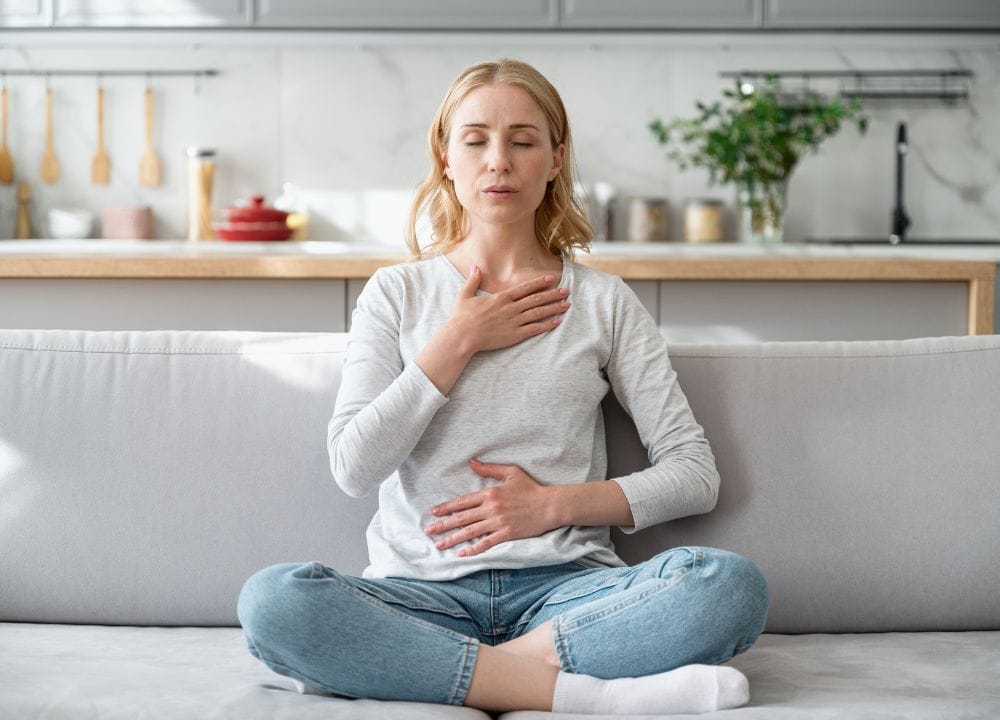
Evening: 10 min with relaxing essences, soft light and Zen music
Frequently asked questions (FAQ)
Can I broadcast all night long?
No, it’s best to keep it to 15-30 minutes, especially before bedtime. Prolonged diffusion, especially during the night, can saturate the room and cause headaches or respiratory tract irritation. Prefer a short diffusion just before falling asleep to promote relaxation without overexposure.
Can we broadcast with children or pets?
Yes, but with extreme caution. Some essential oils are toxic for young children, babies and pets (especially cats and dogs). Opt for gentle essential oils such aslavender essential oil or sweet orange, and diffuse only briefly, in well-ventilated rooms, without the direct presence of children or pets during the diffusion.
Can all essential oils be diffused?
No, far from it. Some essential oils should be avoided, as they are dermocaustic, neurotoxic or irritating to mucous membranes. Cinnamon, sage or clove, for example, should never be diffused pure. Always check contraindications before use.
Conclusion & final recommendations
A few drops, a light mist, a delicate fragrance… and the atmosphere changes. Diffusing essential oils is much more than an aromatic gesture: it’s a simple, natural and profoundly effective way of acting on the air, body and mind. Whether you use a mist diffuser, a gentle heat device or a simple cup, each method allows you to enjoy the benefits of carefully distilled fragrant molecules.
Choose your essential oils with intention –lavender essential oil for stress, eucalyptus for respiratory tracts, sweet orange for mood – and adapt their use to each room, each moment, each need. Diffusing means breathing better, living better, feeling differently. Discover our special article on respiratory infections
🌿 Explore our collection of boemia organic essential oils and let us guide you in the art of well-being diffusion, in complete safety, for a home that’s fragrant, purified and full of life.