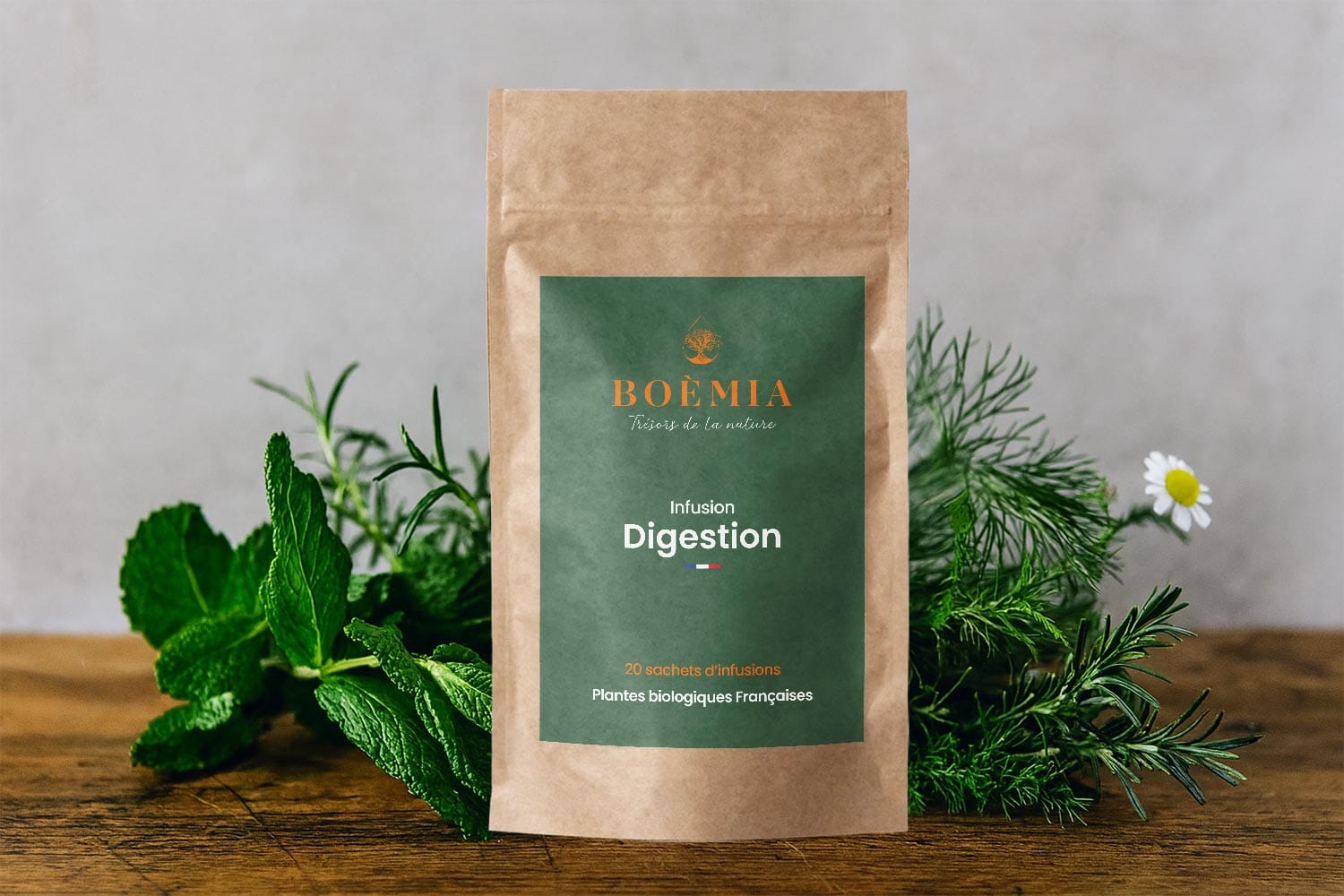
Herbal tea or infusion: two terms often used synonymously, but whose exact meaning can be unclear. When you think of a hot plant-based beverage, whether vervain, linden or chamomile, do you really know whether you’re talking about herbal tea, infusion… or even tea? Boèmia can help you sort it out, offering you quality organic infusions from French organic farms.
1. Infusion and herbal tea: what the technique says
The difference between an herbal tea and an infusion lies above all in their definition.
Infusion is a preparation technique: boiling or simmering water is poured over a plant substance (leaf, herb, flower, root, stem, etc.), then left to infuse for a few minutes to extract its soluble active ingredients. It’s a process.
Herbal tea is the beverage obtained after this infusion.
In short: the infusion is the gesture, the herbal tea is the finished product that we drink.
🔎 Please note: tea is also an infusion… but it comes from the tea plant, Camellia sinensis, contains theine (almost the same molecule as caffeine) and obeys other extraction methods depending on the type of tea: green, black, white, oolong, matcha, etc. There are also tea bags and iced tea, which are becoming increasingly popular, but are still very different from a medicinal herbal tea. Tea and herbal tea may seem similar, but they’re not the same thing!
2. Three methods for making herbal tea
To take full advantage of the benefits of plants, there are three main preparation methods:
Infusion: pour hot water (90-95°C) over the dried plant material and leave to infuse for 5-10 minutes. This is the most common preparation method for relaxing, digestive or evening infusions.
Decoction: ideal for hard roots or stems. Place the plant in
cold water , bring to the boil, then boil for several minutes (sometimes up to 30). The result is an extract more concentrated in active molecules.Maceration: plants are left to soak at room temperature (incold water, or sometimes in a liquid containing alcohol) for several hours. This is a gentle method, particularly for plants such as mallow, whose active ingredients are sensitive to heat.
Every plant has its own way of being prepared!
3. What are the health benefits of herbal teas?
Herbal tea is a gentle, well-tolerated beverage that can be consumed throughout the day. In the morning for a boost, in the afternoon to hydrate or enjoy its benefits, or in the evening to relax: for each moment, the right plant.
Digestive herbal teas (peppermint, angelica, thyme): drink after meals to reduce bloating and heaviness.
Sleep herbal teas or relaxation: verbena, lime blossom, hawthorn, lemon balm, perfect for preparing the body for bed.
Circulatory herbal tea: red vine, for improved blood circulation.
Detox herbal teas Thyme, spearmint, rosemary, to support elimination functions.
Each medicinal plant has its own virtues. Homemade herbal teas allow you to dose them according to your needs. However, a good herbal tea starts with a quality plant, well chosen, well dried and well stored.
4. How to make a good homemade herbal tea
🌿 Ingredients: 1 to 2 teaspoons of dried plant mix or a freshness sachet, for one cup, (about 250 ml of hot water).
🥄 Method: Heat the water to a simmer, remove from the heat, add your herbs (bagged, loose, in an infuser or teapot with filter). Cover and leave to infuse for between 5 and 15 minutes (time varies according to plants).
🍯 Gourmet tip: Add a little honey, lemon zest or a hint of ginger to spice up the flavor and vary the aromas.
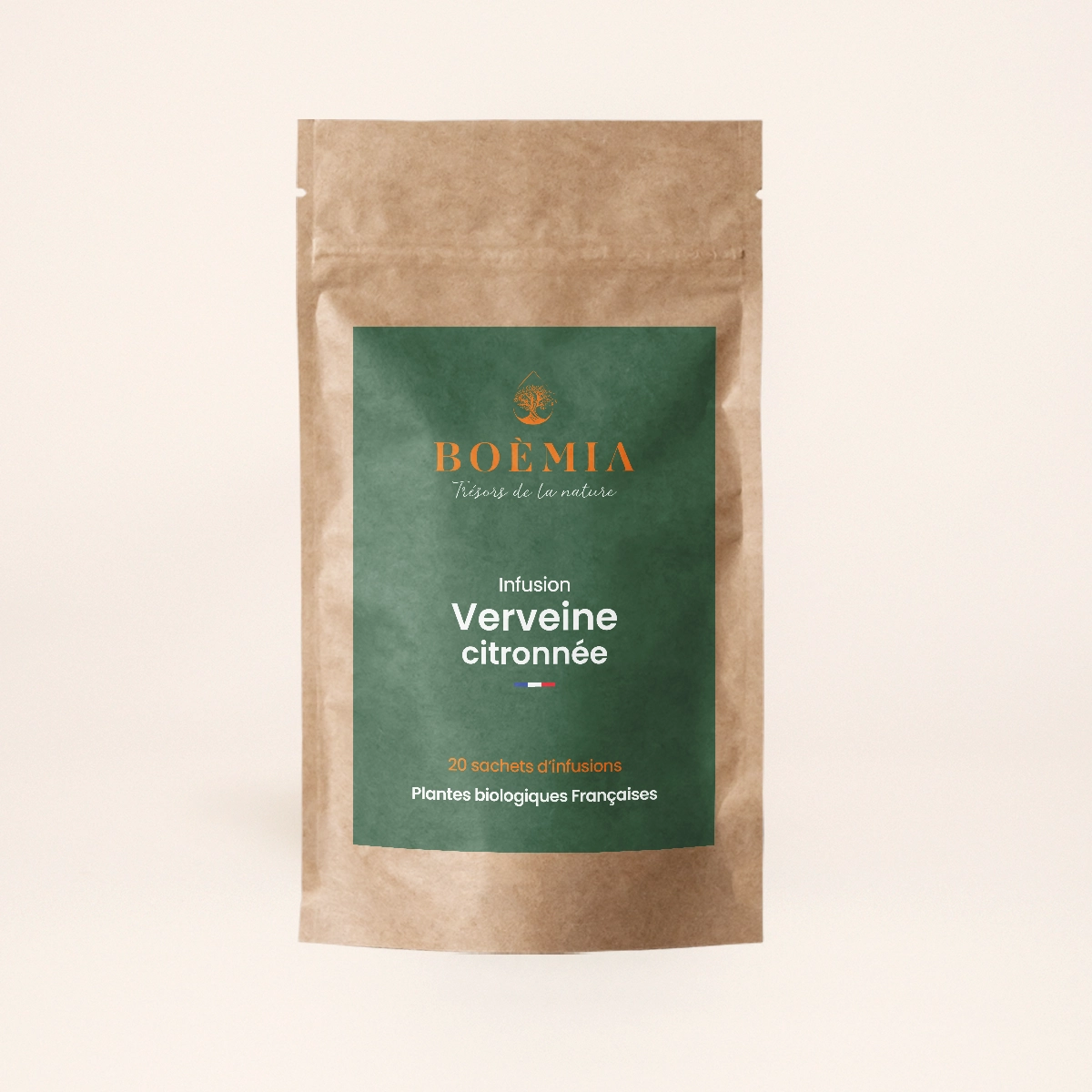
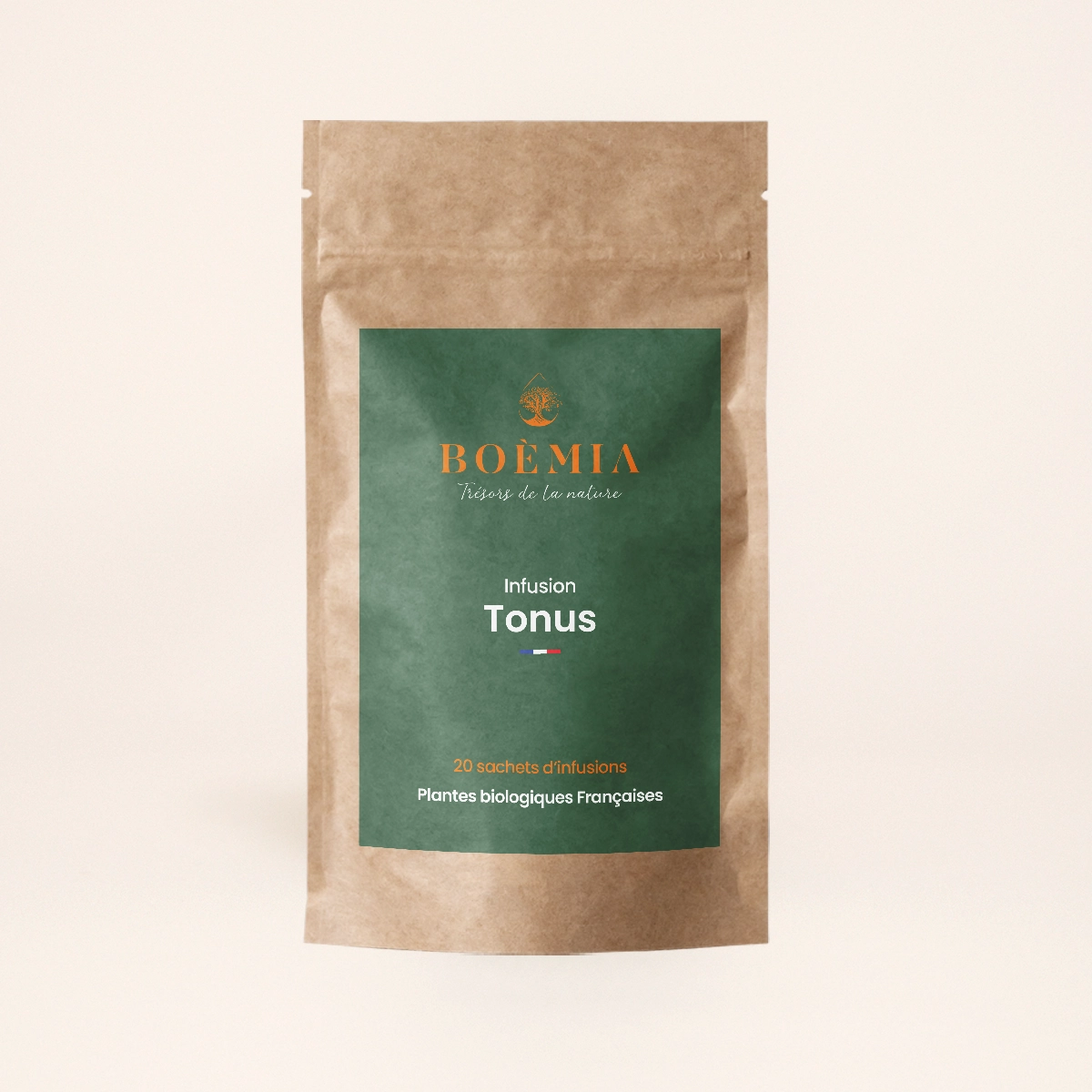
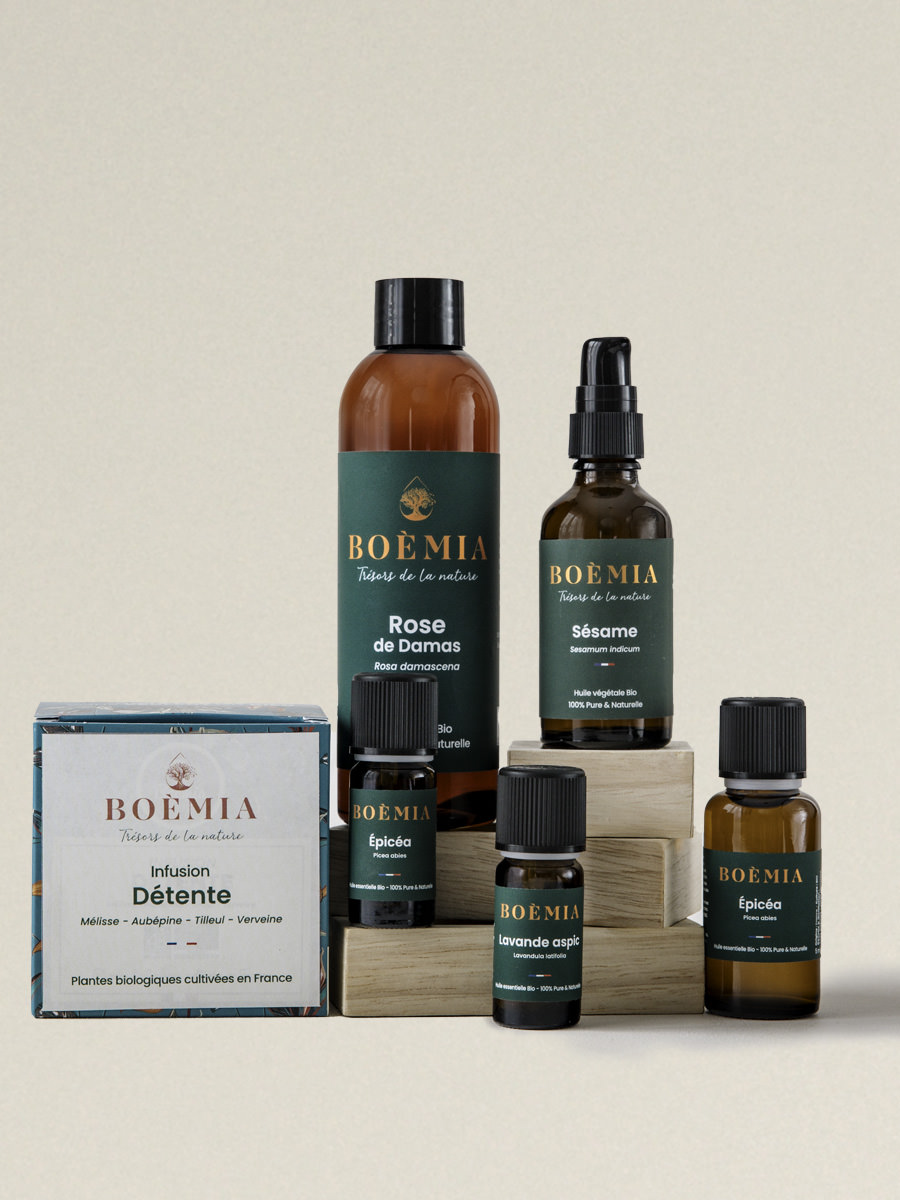
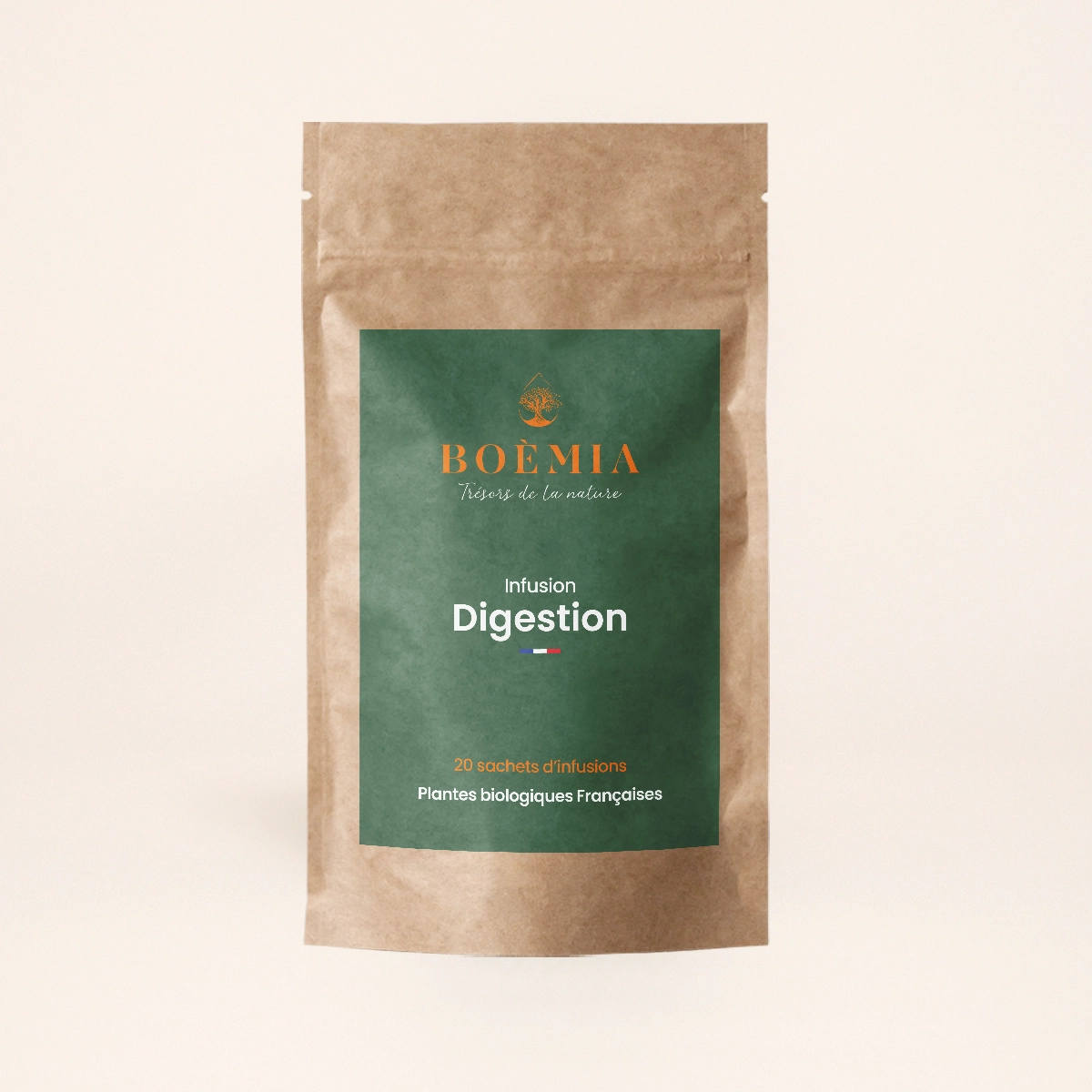
5. Boèmia: quality organic herbal teas grown in France
At Boèmia, we believe that a good herbal tea starts with a well-grown plant, in the right place at the right time.
Our infusions are all :
from organic medicinal plants, 100% grown in France
selected for their virtues and taste
dried slowly at low temperature to preserve their active ingredients
carefully packaged in freshness sachets for better preservation
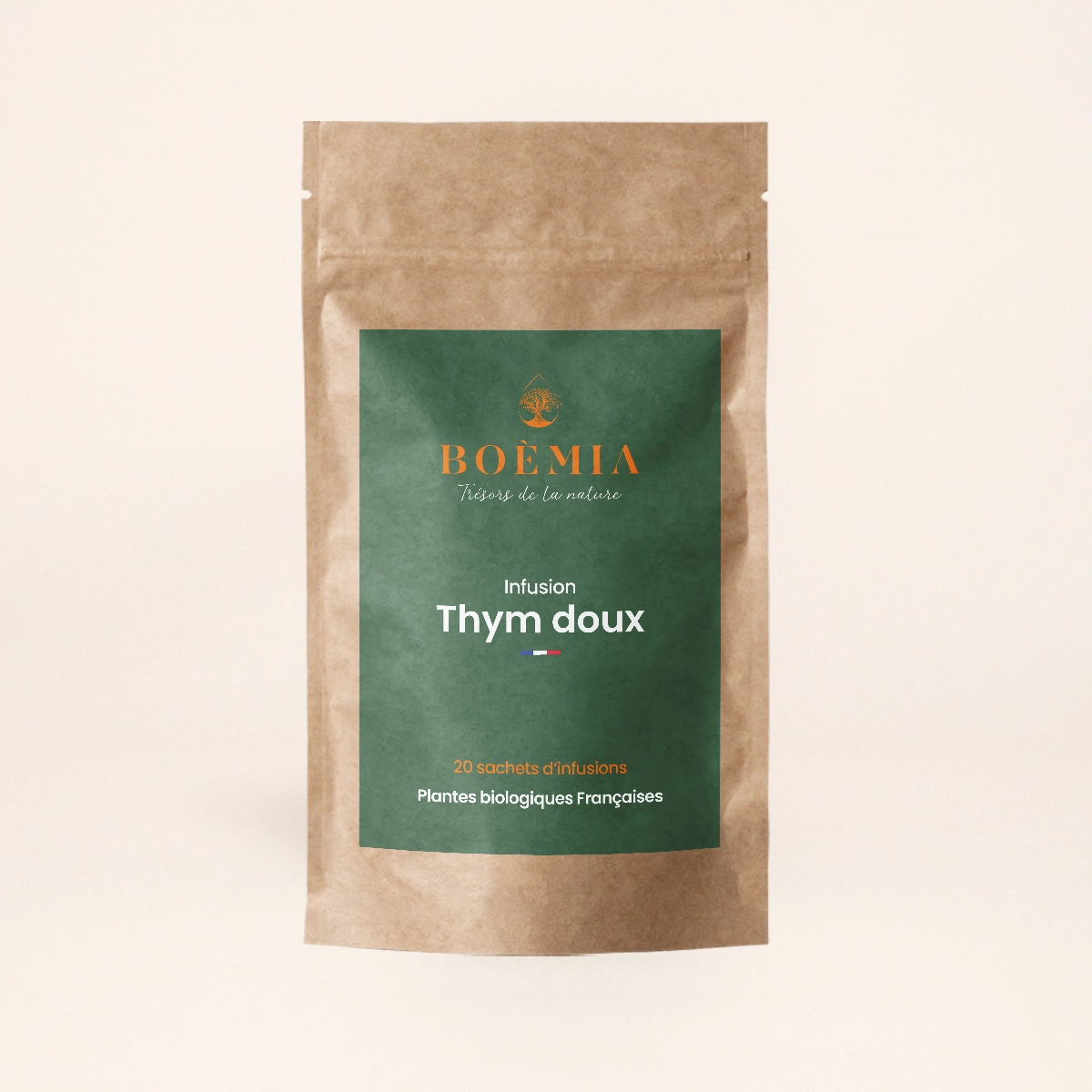
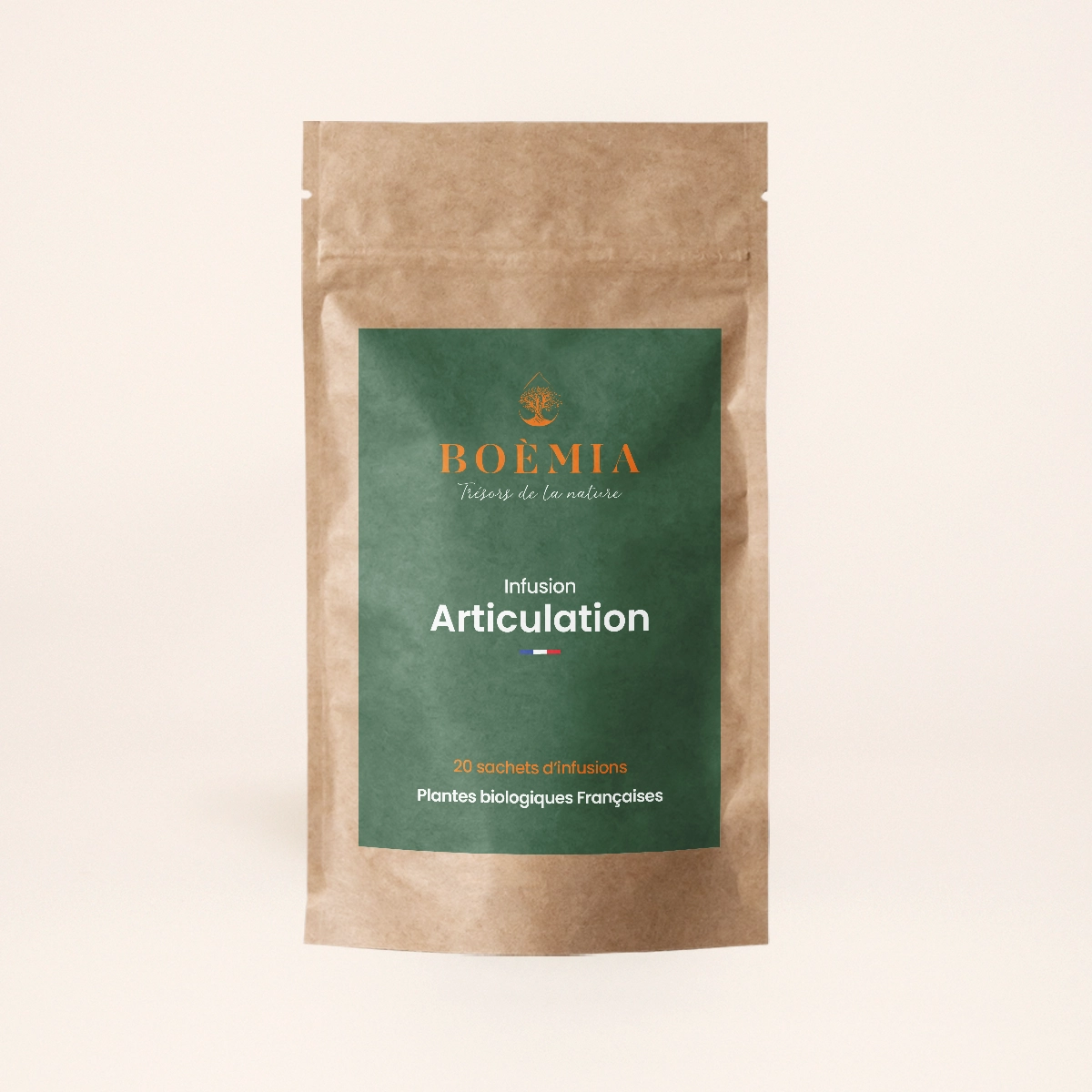
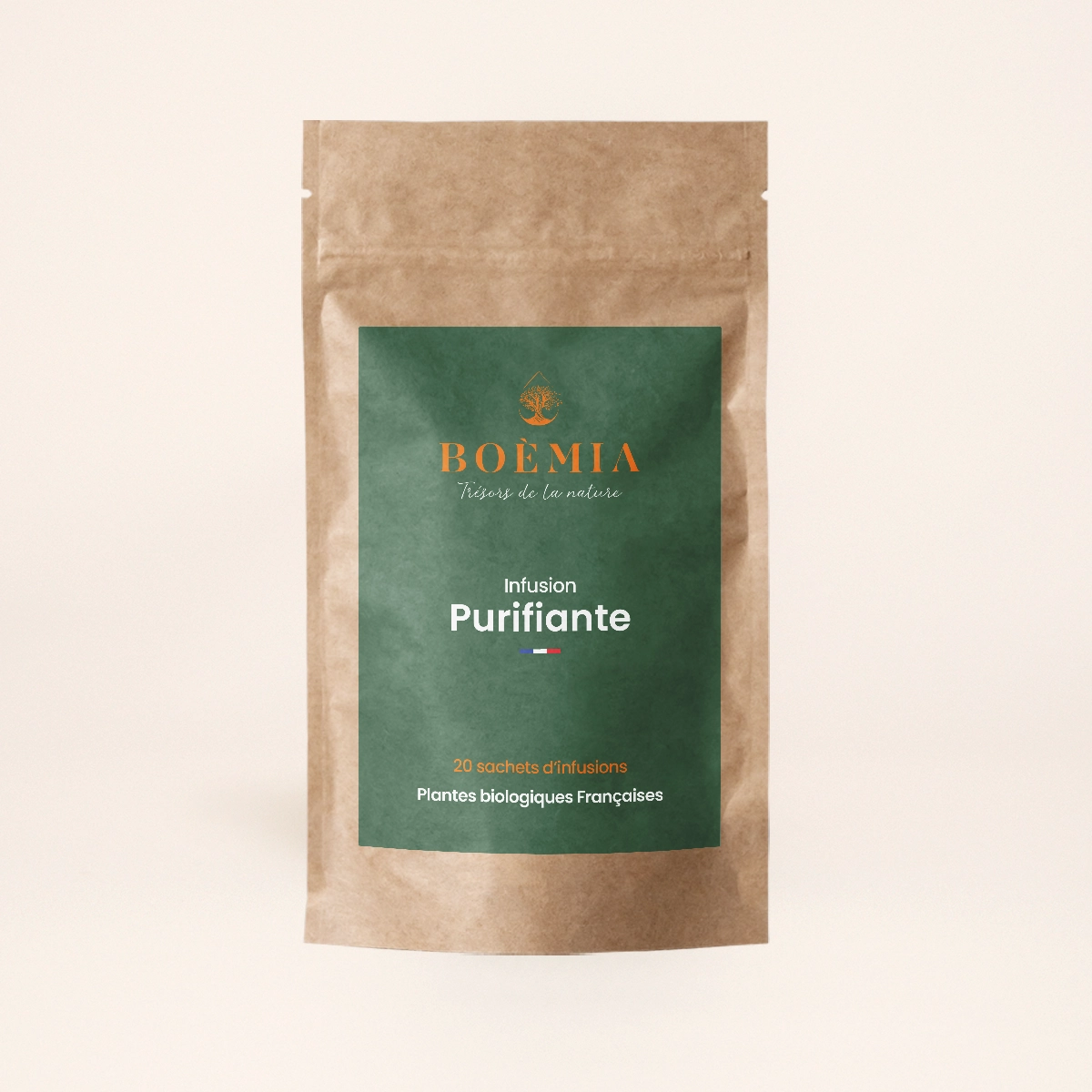
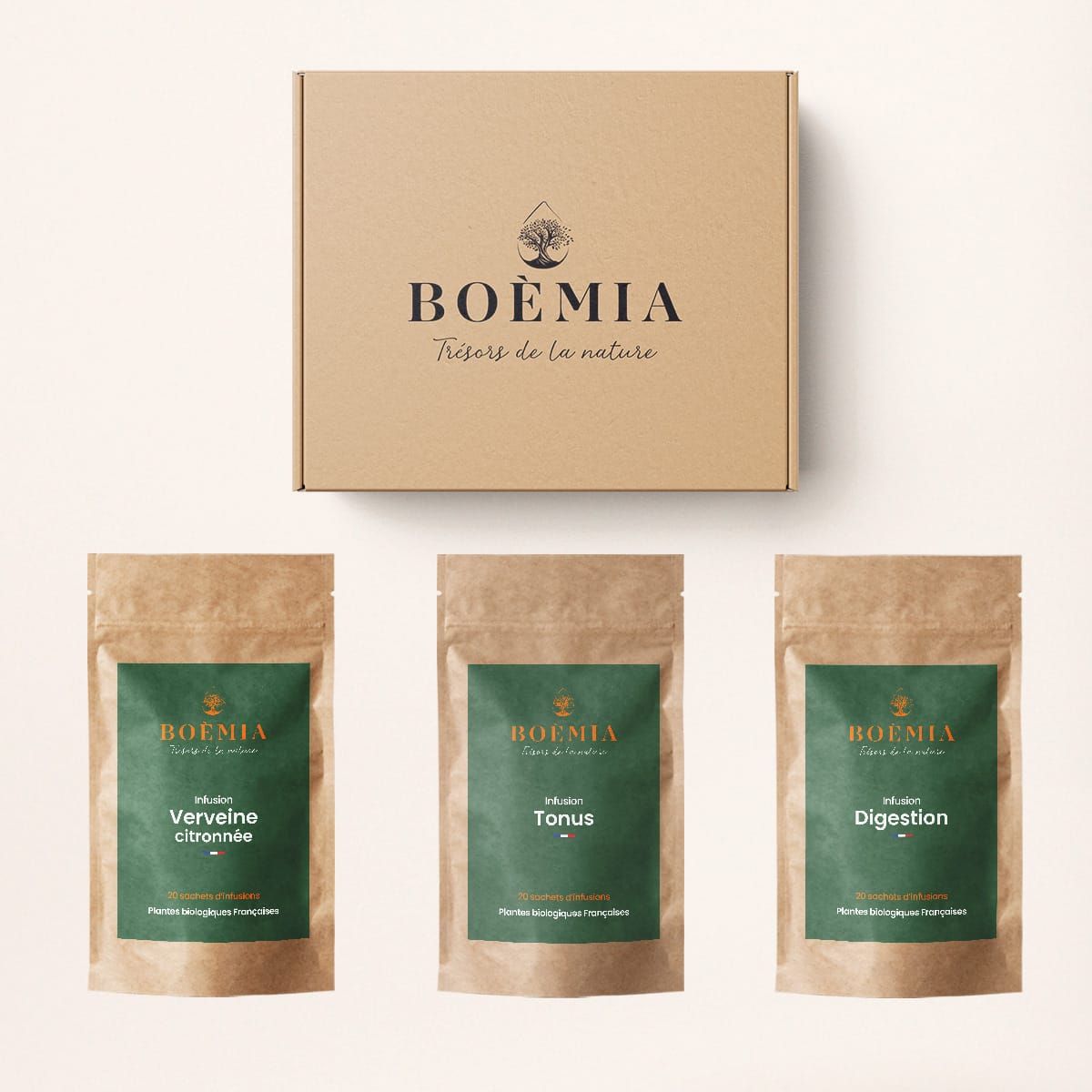
🫖 Lime blossom, spearmint, verbena, sweet thyme, red vine, lemon balm, joint, purifying, relaxing, toning … our menu of infusions evolves with the seasons and our customers’ needs. A natural drink, rich in active ingredients and with a powerful antioxidant effect.
🌱 Our promise: natural products, total transparency on provenance, and a first taste experience that reconnects you with nature, in all simplicity.
6. Summary: Infusion, herbal tea, decoction... how to avoid confusion?
In reality, both herbal tea and infusion refer to more than just a hot beverage to be consumed after a meal or in the early hours of the morning. While the difference between tea and infusion can be confusing, it is primarily due to the plant used, the type of preparation and the manufacturing process. Each method (infusion, decoction or maceration) reveals the specific virtues of the plant material chosen: flower, leaf, root or fruit.
| Term | Definition |
|---|---|
| Infusion | Technique of infusing herbs in hot water |
| Herbal tea | Beverage obtained after infusion |
| Decoction | Plants heated to a prolonged boil |
| Maceration | Plants cold-soaked for hours |
| Tea | Infusion of tea leaves, contains theine |
At Boèmia, our infusion recipes are carefully crafted to meet the needs of everyday ailments, with simple, effective blends and no superfluous additions. Do you have a question about the ideal infusion time? An idea for a thyme or verbena-based recipe? Or simply want to take a fresh look at your wellness routine?
Would you like to discover exceptional infusions? Free delivery from €49, attentive customer service, and artisanal quality for your daily well-being.


Editor: Camille Comet
Doctor of Pharmacy University Diploma (DU) in Aromatherapy
Fascinated by the power of plants since childhood, my expertise and passion focus on aromatherapy and the production of essential oils, with an ethical and ecological vision.