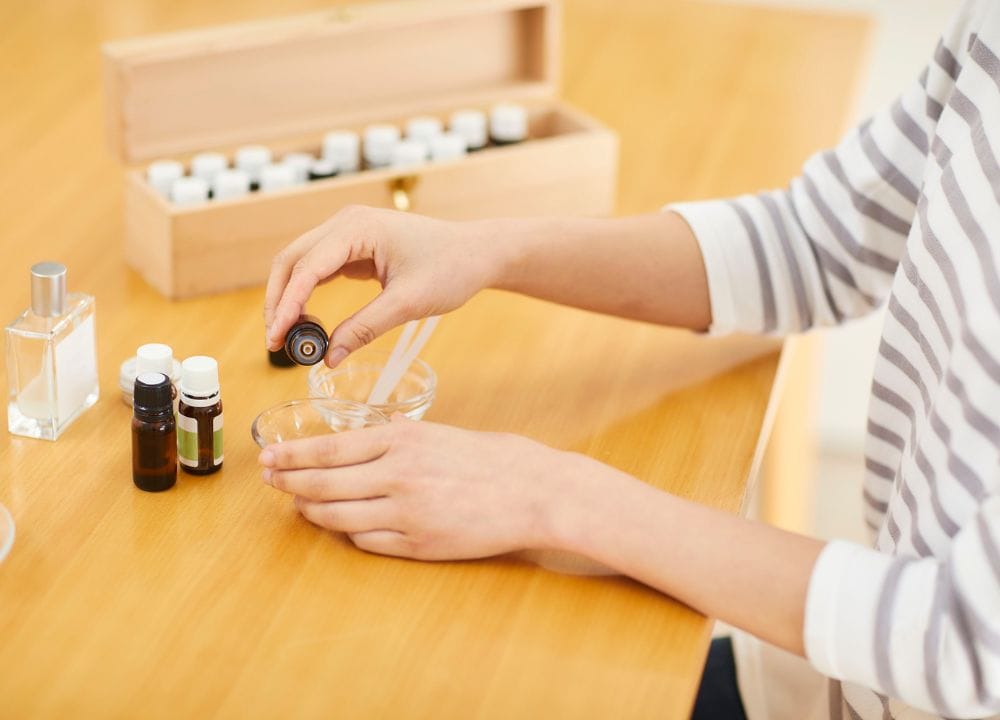
Composed of highly potent aromatic molecules, essential oils possess exceptional natural properties. This highly concentrated blend is generally obtained by distilling plants. Used internally or externally, by diffusion, olfaction or inhalation, in cosmetics or cooking, their application differs according to the desired objective and effect. What are the different uses of essential oils? Let’s find out together how to make the most of the virtues of aromatherapy.
Characteristics of essential oils
Essential oils are distilled from the flower, bark, roots, leaves or even wood of a plant. The most common method is to extract the aromatic molecules by steam distillation. However, it can vary. For example, citrus essential oils are produced by cold-pressing the pericarp of the plant’s fruit. Note that the expression “petit grain” means that the essential oil comes from the citrus leaf. Thus, the essential oil of “petit grain” bigarade is extracted from the leaf of the bigarade tree by distillation.
A veritable concentrate of plant molecules, essential oils come in a variety of forms. Liquid, fluid, viscous or pasty, it all depends on their composition. Their color varies from one plant to another, as does their feel, which can be greasy or not, volatile or penetrating. As long as they are protected from air and light, essential oils generally keep for several years.
Not all essential oils are created equal. Distillation is a process that concentrates all the molecules present in the plant. For the sake of your health, it is essential to choose essential oils fromorganic farming. At Boèmia, our commitment to naturalness and the environment goes even further than the specifications imposed by the label, since we use absolutely no inputs other than rainwater, sun and wind.
Picking and harvesting are done by hand, with a sickle. In this way, even the most subtle and volatile aromatic molecules contained in the plants are preserved. Carried out in a copper still, the artisanal distillation process guarantees fragrances of incomparable subtlety and fidelity. For you, it’s the assurance of an unadulterated essential oil of exceptional quality.
Using essential oils externally
The external route is the most common way of using essential oils. It includes diffusion, olfaction and cutaneous application.
Atmospheric diffusion
Atmospheric diffusion is one of the most common ways of using essential oils. Once diffused, airborne droplets can be inhaled by olfactory means. As the aromatic molecules settle along the mucous membranes of the nose, they act almost instantaneously. Relaxing, energizing or soothing, their effects are quickly felt.
The easiest way is to use a diffuser specially designed for this purpose. It’s the ideal way to bring serenity and well-being to a room, purify the air, soothe the atmosphere or perfume your home. Certain oils can also be combined to repel insects or promote sleep.
Wet or dry olfaction
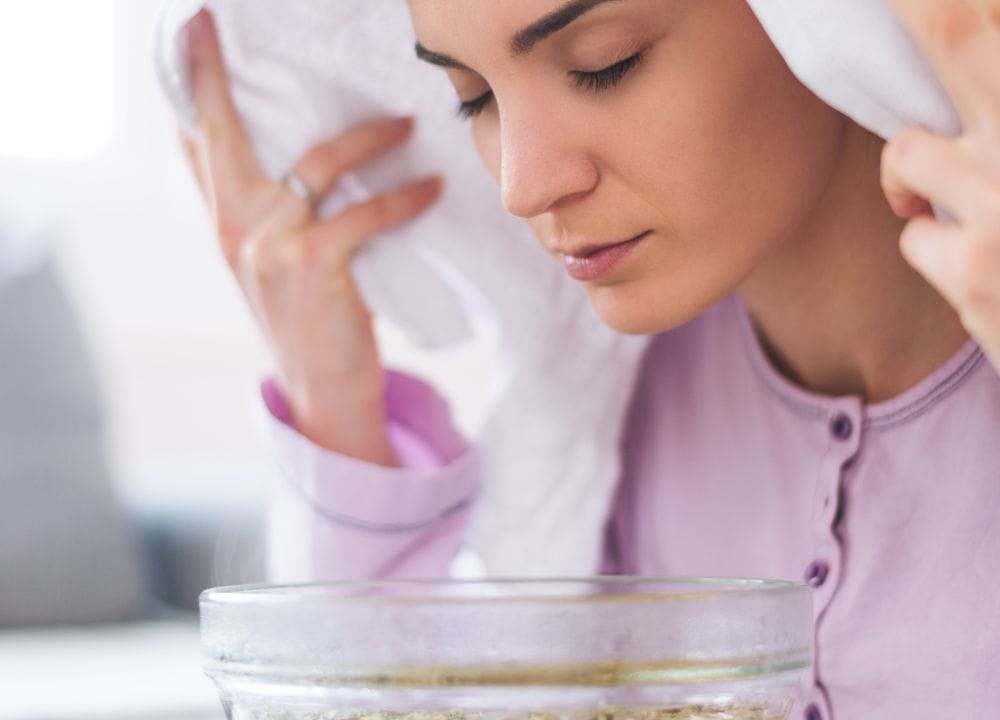
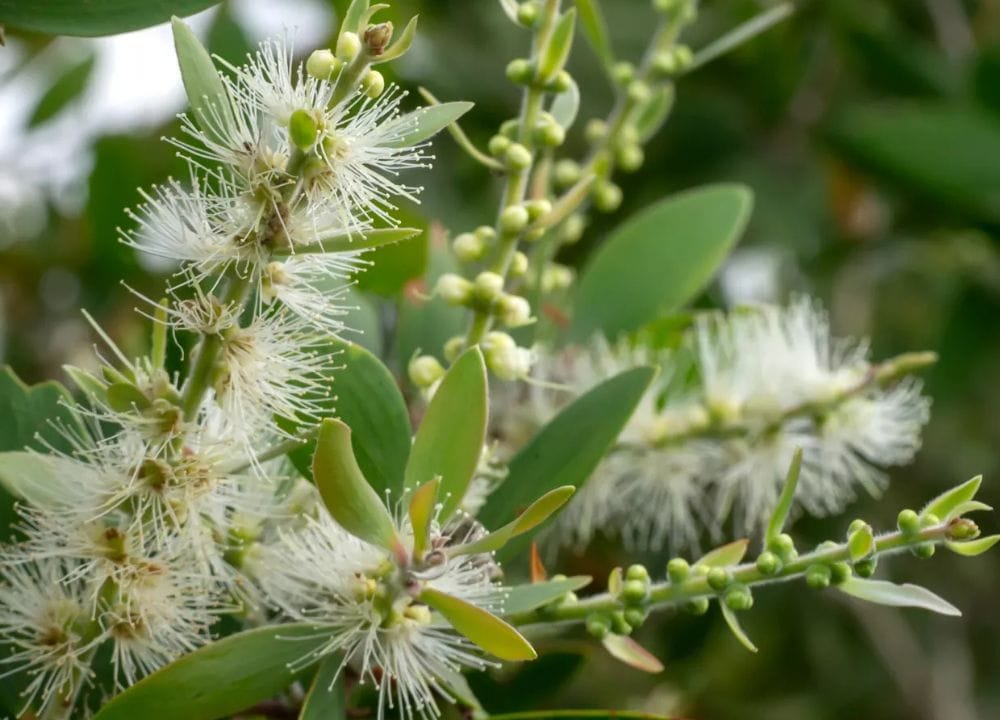
Using essential oils by olfaction means wet inhalation. This method is particularly recommended for the treatment of respiratory disorders. The most common oils for this type of use are lavender aspic, niaouli and tea tree. To take full advantage of their virtues, simply place a few drops in a pot of boiling water. Leave to infuse for a few minutes, then inhale the vapors deeply. For maximum effectiveness, cover your head with a towel.
Wet inhalation promotes dilation of the mucous membranes in the throat and nose. Heat makes the body more sensitive to pollution, fine particles, viruses and cold. We recommend inhalation in the evening, to give the body time to recover. In the event of discomfort, stop inhalation immediately. For dry inhalation, place a few drops of essential oil on a pebble, cloth or handkerchief, then breathe deeply to allow the aromatic molecules to take effect.
Skin olfaction
One way of using essential oils by olfaction is to place a few drops on the inside of the wrists. Then simply inhale deeply, close to the skin, to benefit from the effects of the aromatic molecules. This very practical technique combines olfaction and skin application. In everyday life, it can be used to
Local application
Some essential oils are suitable for topical application. Used undiluted, simply apply a few drops to the skin in the desired area. Wrists, temples, solar plexus – it all depends on the objective and desired effects. Combined with a vegetable oil, they easily penetrate the different layers of the epidermis. Tip: massage the area to be treated to relax and take full advantage of the plant’s properties.
The aromatic bath
The aromatic bath lets you benefit from the virtues of essential oils while promoting relaxation and letting go. Performed with
Internal use of essential oils
Essential oils are ideal for internal use. However, this method of application is only suitable for experienced users or professionals. The most common use is oral, where one or two drops of liquid are swallowed on a support such as a sugar cube, a spoonful of honey orvegetable oil, or a neutral lozenge. This method acts directly on the digestive system (oesophagus, stomach, small intestine, large intestines, etc.) and the hepatic organs (liver and gall bladder).
Everyday use of essential oils
A veritable concentrate of aromatic molecules, essential oils can be used for their properties as well as their fragrance!
The kitchen
A few drops ofessential oils are all it takes to enhance culinary dishes, while adding a touch of originality. They can be used in both hot dishes and salads. Combined with a vegetable oil, they delicately enhance the seasoning of your recipes. Pre-diluted in a dispersant, they flavour teas, infusions and flavoured waters. Please note that, depending on the dosage, some
Cosmetics
Some essential oils are particularly suitable for use in cosmetics. Massage oils, anti-aging creams, exfoliating gels – just a few drops in your beauty products is all it takes to benefit from their beneficial properties. Whether your skin is dry, oily, combination or sensitive, it’s essential to select an essential oil suited to your skin, based on its properties. When combined with a vegetable oil, they can be mixed cold. When added to an aqueous solution or gel, essential oils must first be diluted in a dispersant.
When used as hair care products, essential oils possess exceptional powers. Anti-hair loss, anti-dandruff, balancing, stimulating or soothing, they all have different properties and are suitable for different hair types. To benefit from their virtues, simply add a few drops to your shampoo, conditioner, conditioner or hairbrush.
Household products
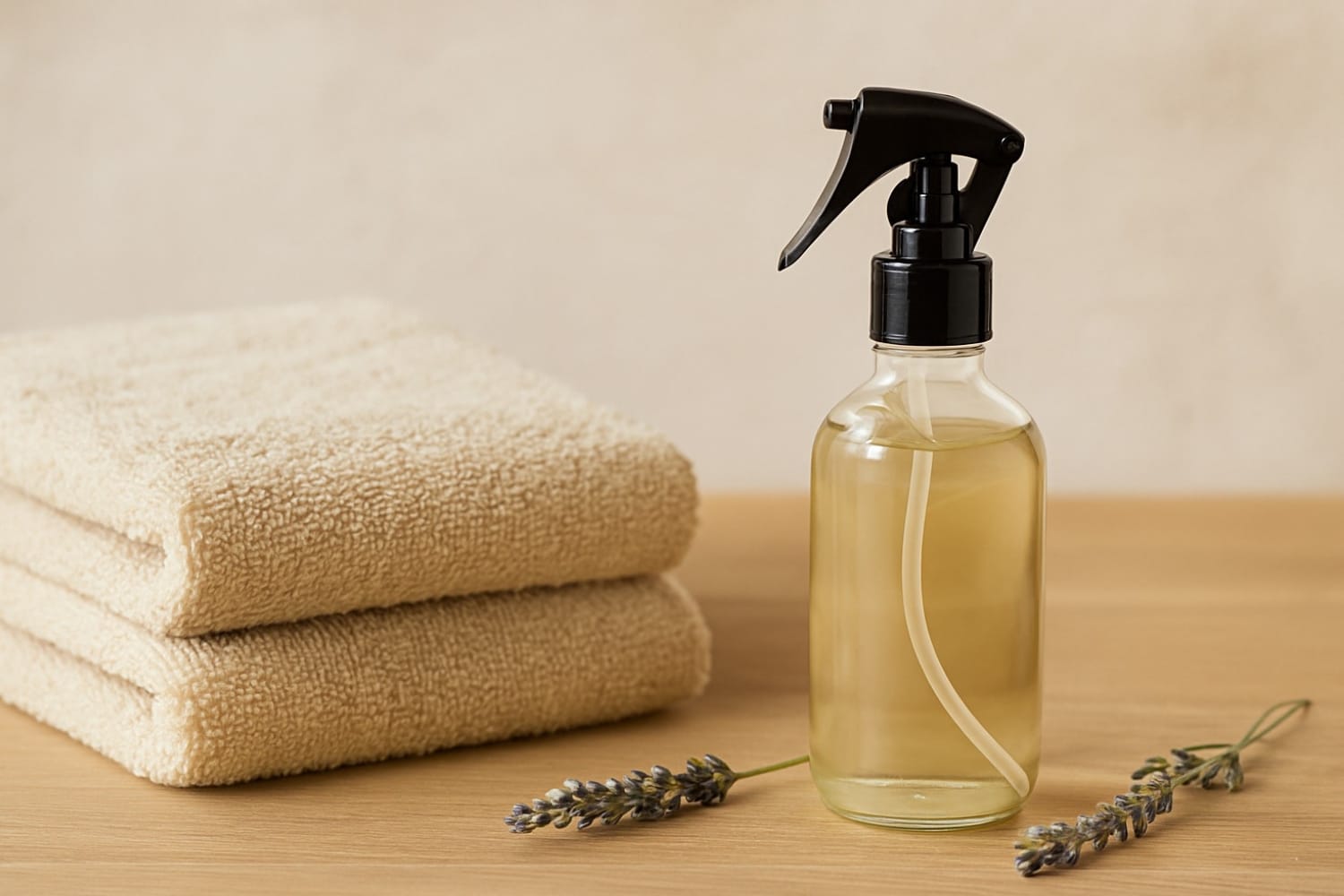
When added to household products, essential oils perfume your home. Some oils also have antibacterial, antifungal or antiseptic properties, making them an important ally in the maintenance of your house or apartment. A few drops mixed with your laundry detergent or fabric softener will leave a delicate scent on your laundry. Tip: use soothing or relaxing oils such as lavender or geranium. To scent your cupboards and closets, place a few drops on a pebble or cloth.
Precautions when using essential oils
For your information, French and European legislation requires distributors of natural plant-based products to indicate only one type of use on the label. However, essential oils can be used for many different purposes. For example, lemon essential oil can be applied to the skin as well as in culinary preparations (be careful with dosage).
Essential oils should be handled with care and applied in moderation. Some are dermocaustic, allergenic or photosensitizing : make sure you get all the information you need before using them. They arenot recommended for pregnant or breastfeedingwomen, children under the age of six, or people with neurological problems. If in doubt, discontinue use and ask your doctor for advice.
Made up of highly potent aromatic molecules, essential oils concentrate all of nature’s goodness. Depending on their properties and composition, certain methods of use are more appropriate than others. Whether for internal or external use, inhalation, olfaction or diffusion, the conditions and general state of the person receiving the treatment must also be taken into account. Finally, to fully benefit from the virtues ofaromatherapy, choose high-quality essential oils from conscientiously cultivated and harvested plants, then extracted with passion, rather than the standardized, industrial products of the big brands! Your body will thank you!