Can essential oils really be used on babies? The question comes up again and again, especially when a child is suffering from a cold, sleeping problems or minor respiratory ailments. And yet, behind the natural image of these products, the risks are very real: fragile skin, immature systems, unpredictable reactions…
Some oils, such as peppermint or eucalyptus globulus, are toxic, irritating and absolutely inadvisable for several months or even years.
So, what should you do when you’re looking for a natural solution to soothe, massage or promote a baby’s sleep? There’s an answer: hydrolates, gentle plant oils, controlled diffusion and professional advice. In this article, we take a closer look at which organic alternatives are recommended, when to avoid any cutaneous application or diffusion, and how to benefit from the recognized virtues of plants. A clear overview of aromatherapy for babies, with examples, studies and recommendations for preserving health.
Why look for alternatives to essential oils for your baby?
Essential oils are renowned for their therapeutic properties, but their use in babies requires great caution. Most essential oils are contraindicated before the age of 1. Although some authors suggest their use, we urge you to exercise the utmost vigilance.
Hydrolats and vegetable oils are gentle alternatives that allow you to enjoy the benefits of plants with much greater safety.
Hydrolats: the natural solution for caring for your baby
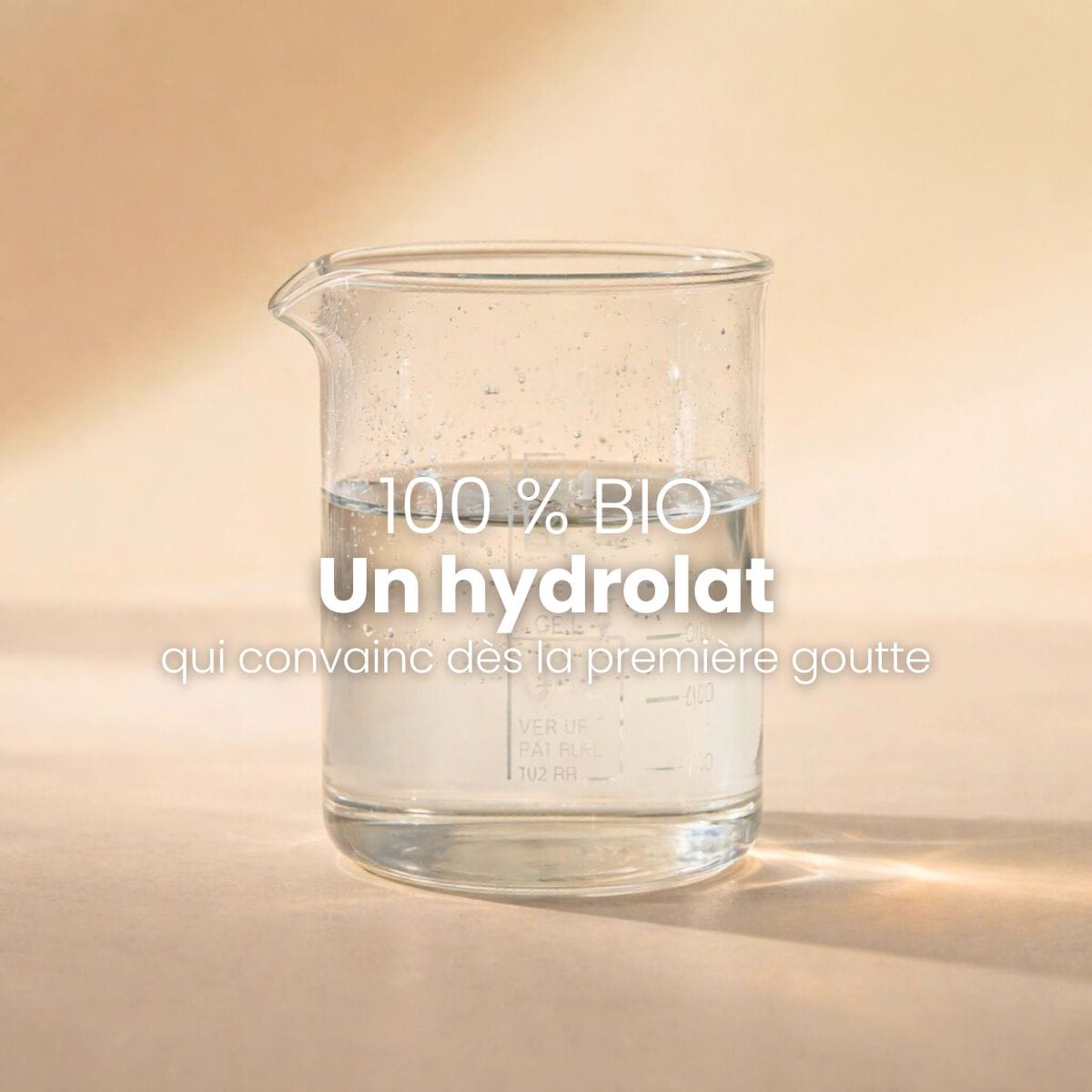
A hydrosol is the liquid that remains after steam distillation and separation of the essential oil. In other words, it is the water used for distillation. It then acquires properties similar to those of the essential oils and the plant used.
Boèmia hydrolats are natural products with a wide range of uses. As a drink, they can be diluted in water for gentle, aromatic hydration. In cooking, hydrolats can be perfectly integrated into a variety of recipes. For example, they add a delicious floral note to orange blossom pancakes and madeleines.
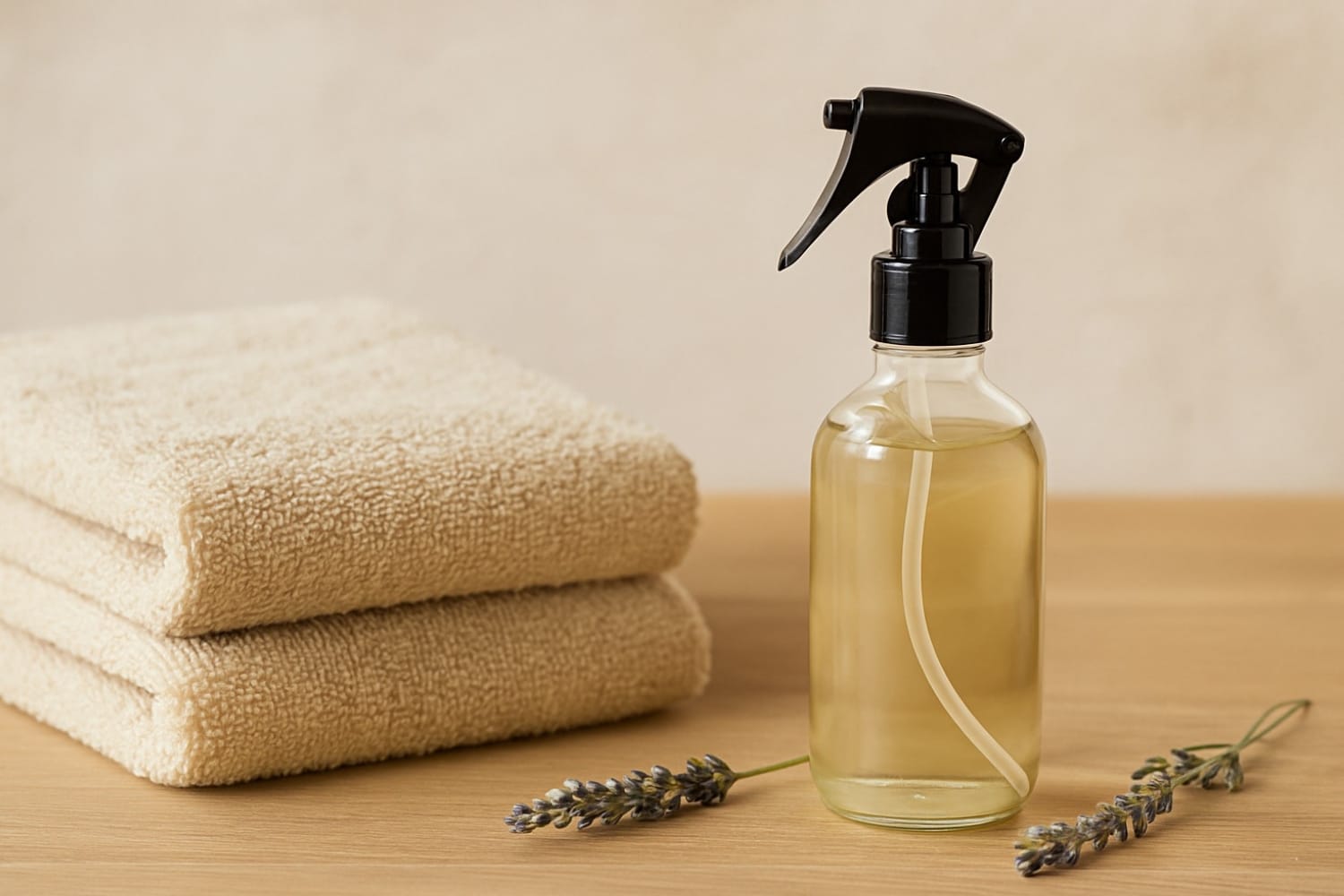
On the skin, hydrolats are excellent for soothing redness and refreshing, providing gentle, natural skin care. When diffused, they delicately perfume the air. In the bath, they provide total relaxation. Sprayed on linen, they add a pleasant touch of freshness.
Although hydrolats require fewer precautions than essential oils, it is essential to remain vigilant about the plants used and their directions for use to ensure safe and effective use.
Vegetable Oils: the gentle, natural alternative for baby's skin
Vegetable oils play an essential role in aromatherapy. Often used to dilute essential oils, they enable gentler, less aggressive application. They can also be used undiluted, for example in massages for newborns, to treat irritation or dry skin.
Their gentleness and versatility make them precious allies in the daily care of the little ones. These oils, extracted from seeds, nuts or fruits, are rich in essential nutrients such as
Among the plant oils most suitable for babies is calendula oily macerate.
Organic Calendula Oil: Protection and repair for your baby's skin
Calendula vegetable oil is a veritable treasure trove of gentleness for baby’s skin. Used topically, this oil has healing, softening and nourishing properties, making it an essential ally in the daily care of the little ones.
Particularly effective in treating a wide range of skin problems, Calendula oil is ideal for soothing itching, relieving eczema, calming insect bites and treating chapped skin. Its use not only cares for the delicate skin of children and babies, but also offers them optimum comfort. Calendula oil’s soothing properties help calm irritations and keep baby’s skin soft, supple and protected.
After bathing, Calendula oil ensures long-lasting skin hydration. It’s also perfect for gentle, relaxing massages, creating moments of complicity and well-being between parents and children. By including Calendula plant oil in your baby’s skincare routine, you can ensure natural, respectful care for your baby’s delicate skin.
Having explored the benefits of Calendula oily macerate, let’s now turn our attention to another equally valuable natural skin care category: hydrolats. These floral waters, obtained by distilling plants, can be used in a multitude of ways to gently care for baby’s skin.
Let’s discover two major hydrosols that stand out for their exceptional benefits and incomparable softness: Orange Blossom hydrosol and Roman Chamomile hydrosol.



Organic Orange Blossom Hydrosol: the ideal care for a peaceful night's sleep
Suitable from birth, it can be used in a variety of ways to promote baby’s well-being and sleep. Used as a spray or in the bath, this hydrosol offers a multitude of beneficial uses from the very first days of life.
From the age of six months, this hydrosol can be used orally. A teaspoon of Orange Blossom hydrosol in the baby’s bottle can help soothe colic and promote restful sleep.
To prepare a relaxing bath, simply add three tablespoons of Orange Blossom hydrosol to the bath water. This soothing ritual helps to calm and relax baby, creating a moment of serenity before bedtime.
To create a soothing, comforting atmosphere, spray the hydrosol in baby’s room, on his comforter, clothes, crib or pillow. Orange Blossom’s sedative properties help balance the heartbeat and promote sleep.
Finally, for a deliciously aromatic touch, you can incorporateOrange Blossom hydrosol into recipes for cakes or fruit salads.
Orange Blossom floral water is truly a complete skin care product, helping to soothe, relax and regenerate the skin, while offering precious support for a peaceful, restorative sleep.
Organic Roman chamomile hydrolate: calm and comfort for your baby
Roman Chamomile hydrosol is a real ally for babies’ delicate skin. For use from birth as a spray or in the bath, and orally from four weeks of age, this hydrosol is appreciated for its soothing and refreshing properties.
After washing, spray Roman Chamomile hydrosol directly onto baby’s skin to relieve and soothe redness and irritation. It’s particularly effective at soothing skin inflammation and providing immediate comfort for even the most sensitive skin.
For nervously tired parents, Roman Chamomile hydrosol can also be a source of relaxation. Add a capful of hydrosol to a cup of hot water for a moment of calm and serenity. Chamomile’s soothing properties will help reduce stress, improve sleep and promote a sense of well-being.
Roman Chamomile hydrosol is a must-have for any family looking to care for baby’s sensitive skin in a natural, gentle way, while offering moments of relaxation for young and old alike.
Why opt for natural baby care?
Are you concerned about your baby’s sensitive skin and want to offer him the best possible care? You’re not alone. Many parents are looking for safe, natural solutions to protect and cherish their little ones’ delicate skin.
Natural skincare products, such as hydrolats and vegetable oils, are distinguished by their purity and gentleness. Unlike conventional products, which may contain harsh chemicals, natural products are ideal for respecting the sensitivity of babies’ skin. The absence of synthetic compounds reduces the risk of allergic reactions and irritation, giving parents peace of mind.
Imagine being able to safely moisturize and soothe your baby’s skin with natural, organic ingredients. Boèmia’s hydrolats and plant oils are not only gentle and effective; they also have soothing and nourishing properties, contributing to overall well-being. Treat your baby to care worthy of his natural gentleness, and strengthen this unique bond with authentic products.
To offer your baby the best natural protection, explore our range of gentle, soothing skin care products on our online boutique. Choose nature for your child’s well-being, and opt for products that respect and protect sensitive skin.
Conclusion
Boèmia hydrolats offer a safe, gentle alternative to essential oils for children, newborns and pregnant women. To ensure your little ones’ well-being, we’ve selected the right products: orange blossom and Roman chamomileandcalendulavegetable oil. It’s important to use natural products to keep your children and babies happy. Aromatherapy products are rare and precious, and must be used judiciously. It is therefore advisable to adopt a reasoned and responsible use of these products to maximize their effectiveness.
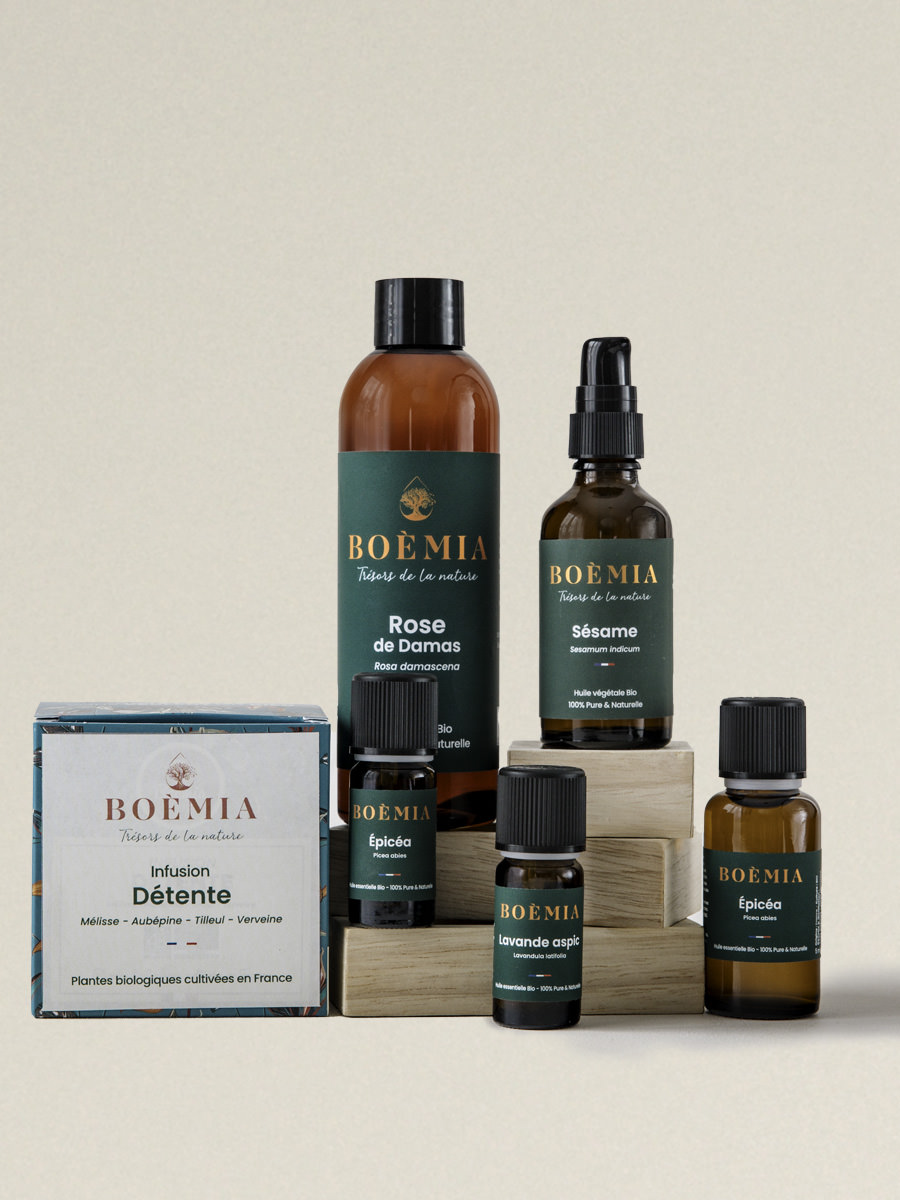
For your baby’s well-being, the Boèmia team offers a special baby box that guarantees the best quality in natural, gentle care for your children.
FAQ - Essential oils and babies
Can an essential oil be used on a baby under 3 months old?
No. Theuse of essential oils is really not recommended before the age of 3 months. At this age, the skin is too fragile, the respiratory and nervous systems too sensitive, and the risk of toxic or irritant reactions too great. No drops ofessential oil should be applied or diffused in an infant’s room. Between 4 months and one year of age, opinions are divided: you may read that this is possible. Thereafter, there is a consensus among experts in favor of the safer use of well-chosen essential oils.
Which essential oils are known for their soothing properties in children?
Fine lavender (also known as true or officinal lavender ), noble chamomile, petit grain bigarade and mandarin are among the best known for their relaxing effects. But even these gentle oils should be used with extreme caution, diluted in a vegetable oil and never before 6 months. If in doubt, always ask your paediatrician for advice.
Why are certain oils, such as peppermint or eucalyptus, not recommended?
Because their active compounds (menthol, cineole, etc.) can be toxic to young children’s nervous and respiratory systems. They can cause serious undesirable effects (spasms, respiratory discomfort). Avoiding them is a genuine professional recommendation.
What natural products can I use instead?
Hydrolats (orange blossom, Roman chamomile) and vegetable oils (calendula, sweet almond) are useful and safe alternatives. They have gentle properties, helping to care for and soothe the skin, and promote sleep without the risk of irritation or toxicity.
Can essential oils be diffused in the home with a baby?
Diffusion in an electric diffuser is only possible from the age of 4 months, in the living room and never in the bedroom while sleeping. Mild oils(fine lavender, sweet orange) are preferred, in very low concentrations (one drop is enough), for short periods, and always with good ventilation after use.
Does breastfeeding change the recommendations for mothers?
Yes, some essential oils (such as peppermint,
Is there any scientific evidence on the use of essential oils in children?
To date, there are few robust studies. There is no solid proof that cutaneous or oral use of essential oils is safe for infants. Current recommendations are therefore based on precaution, the avoidance of the most risky oils, and the use of better-tolerated alternatives.
What dosage should I use if my paediatrician recommends an essential oil?
Dosage must be extremely low: a single drop diluted in vegetable oil, applied to a small part of the body (never the face, never the feet of newborn babies). Consultation with a health professional trained in aromatherapy is essential.
Which products are recommended for winter?
To support the respiratory system naturally, thyme linalool or orange blossom hydrosols can be used from an early age. They are a gentle alternative to stronger essential oils, which can be dangerous for babies.